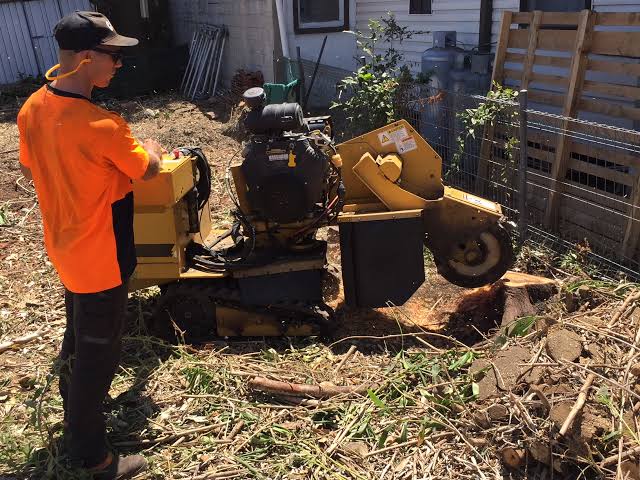
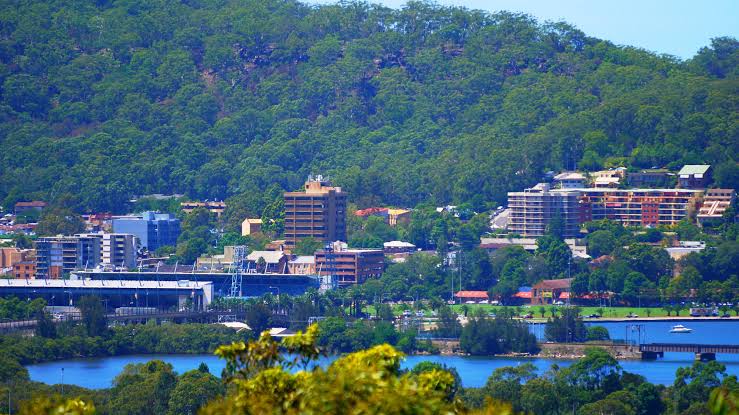
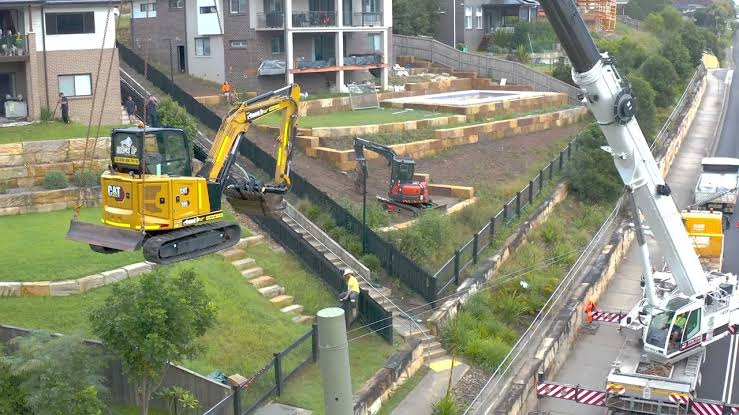
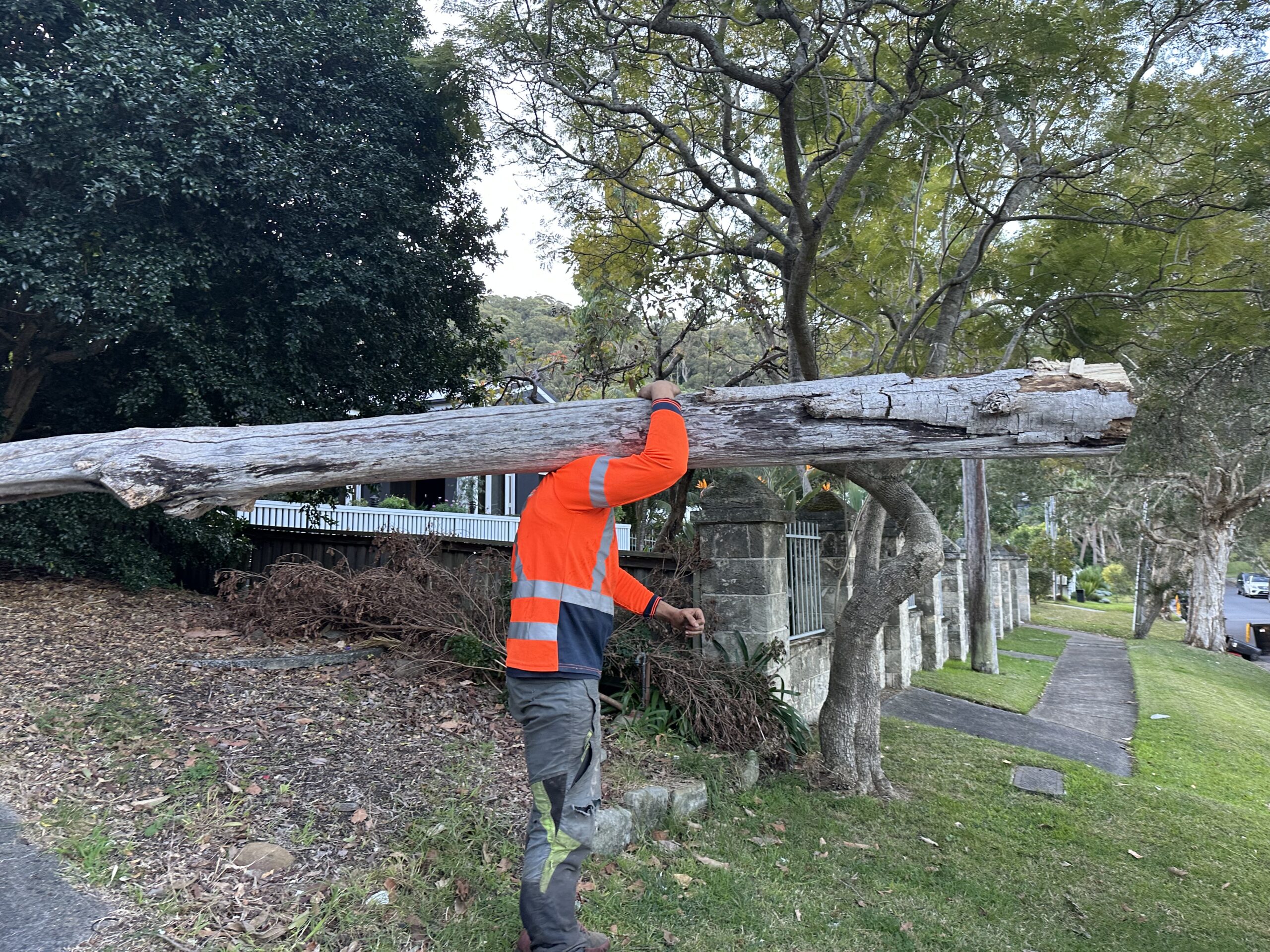
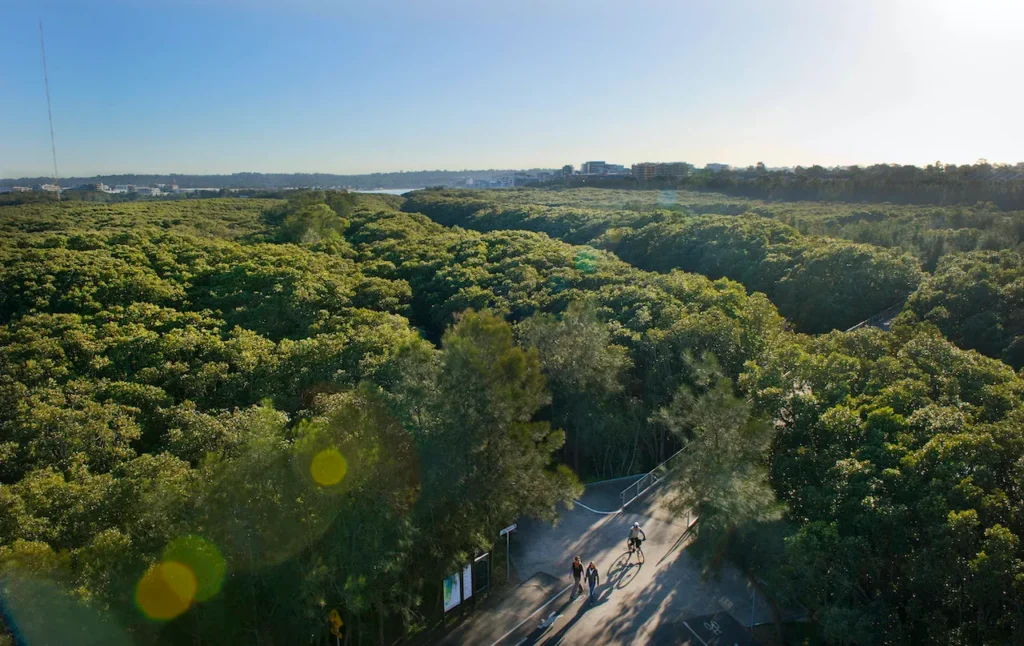
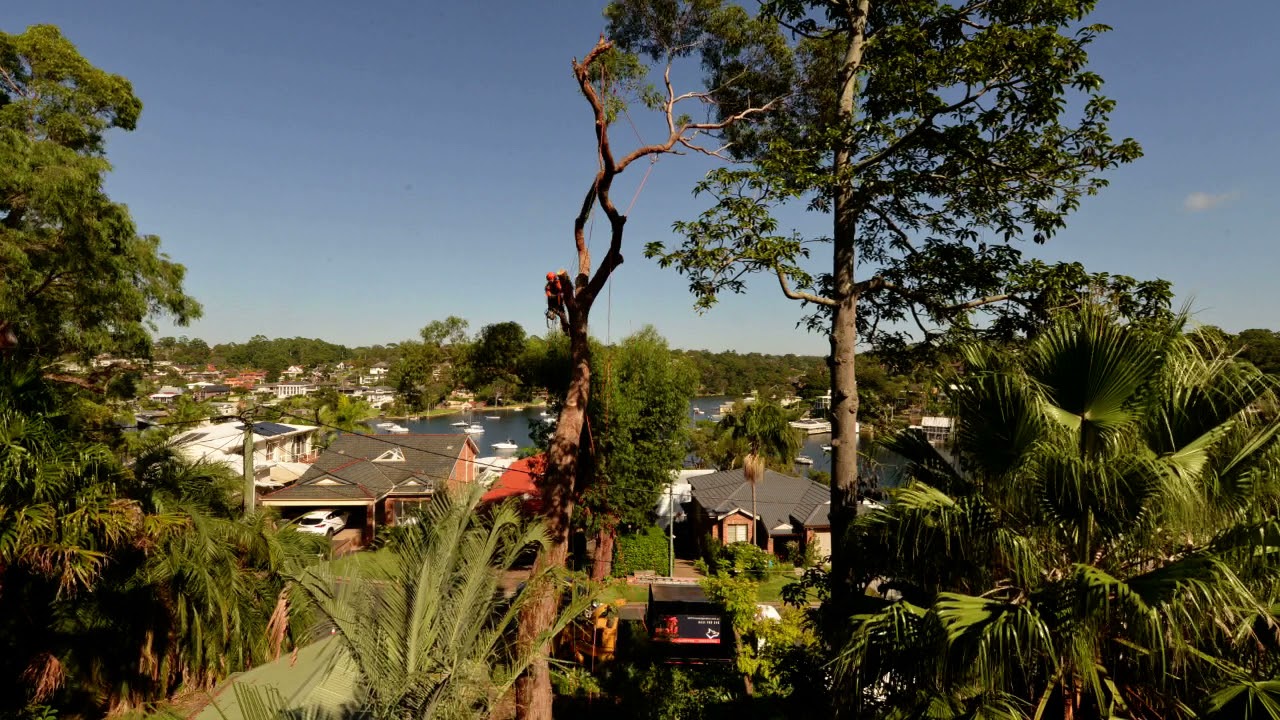
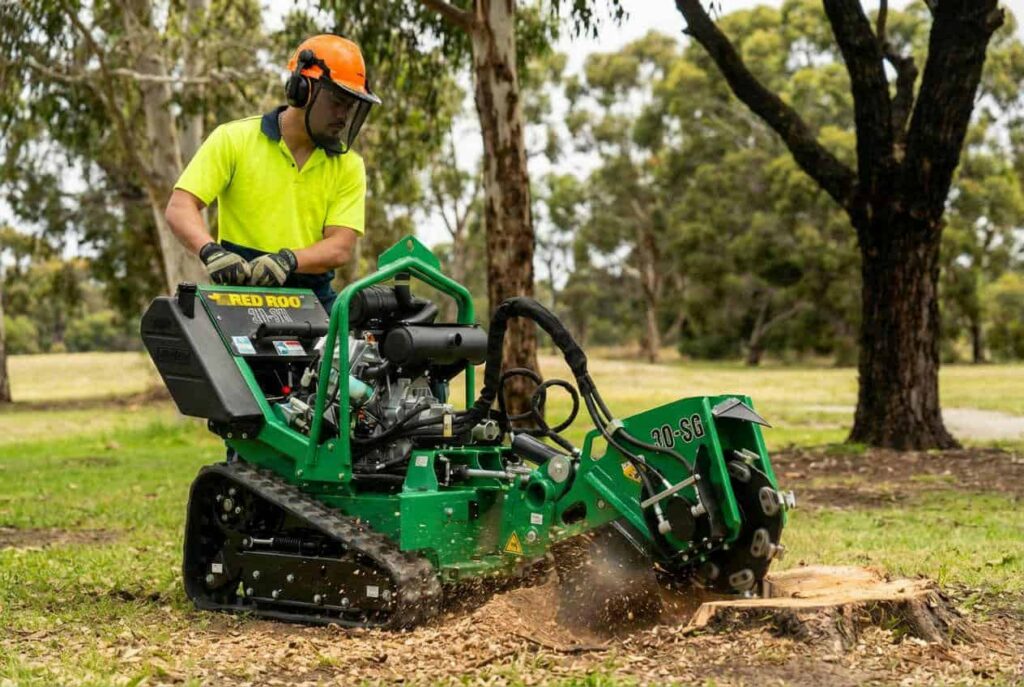
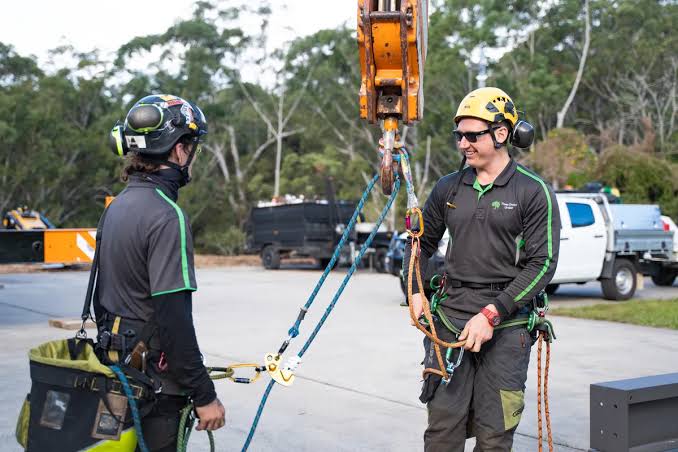
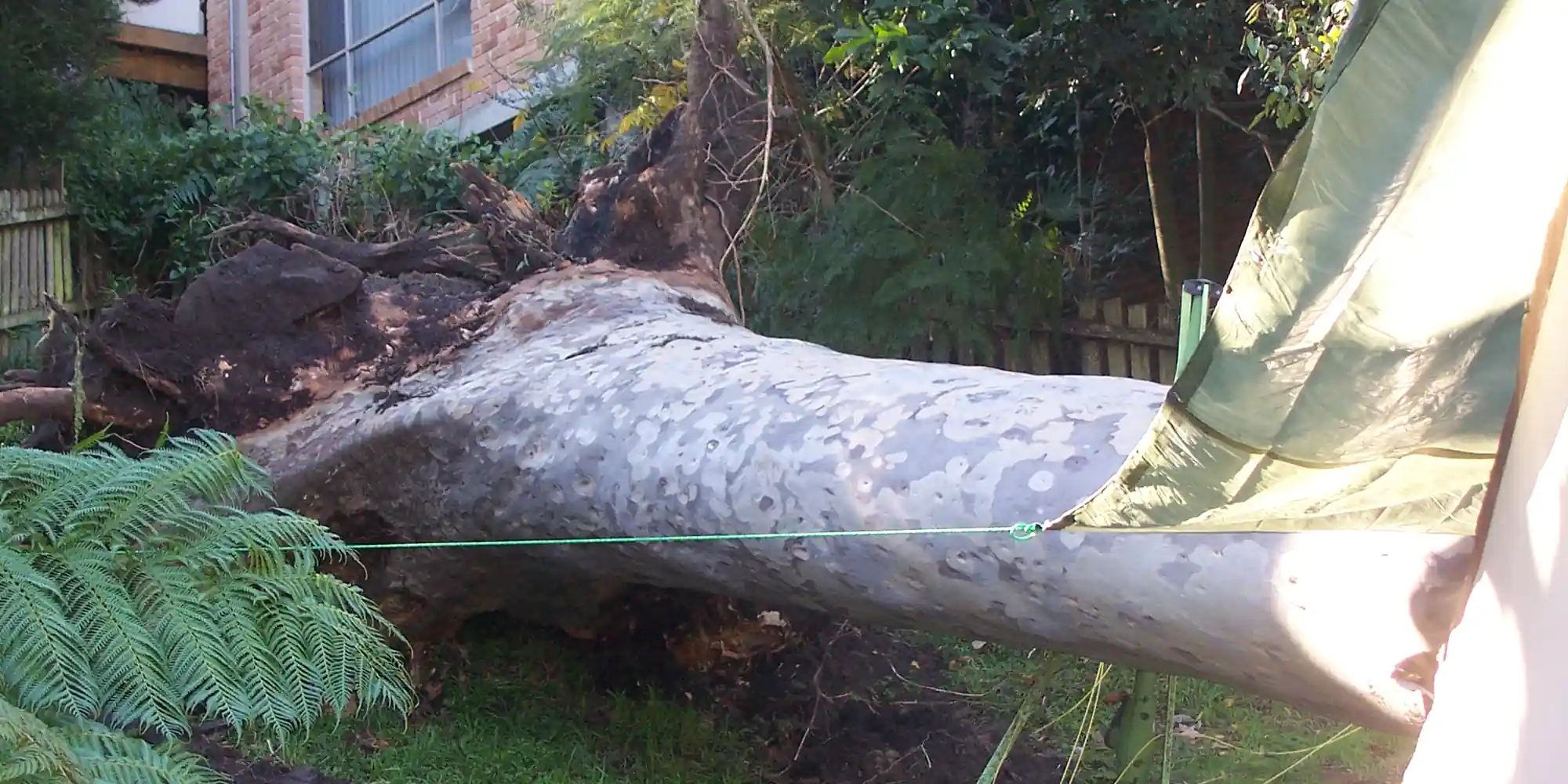
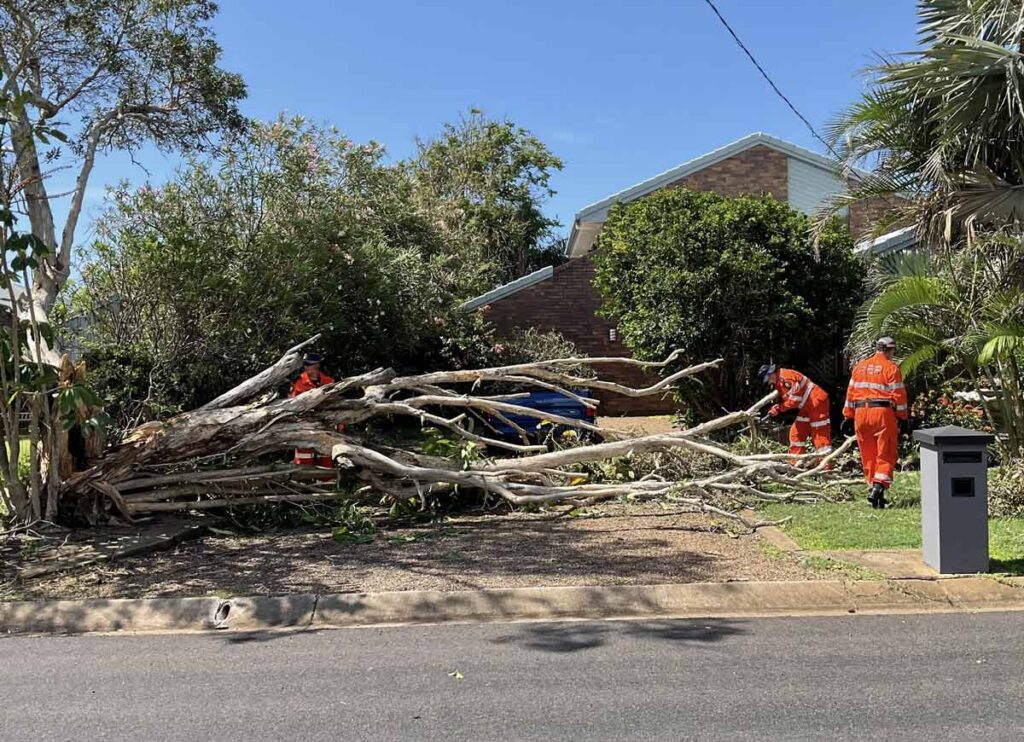
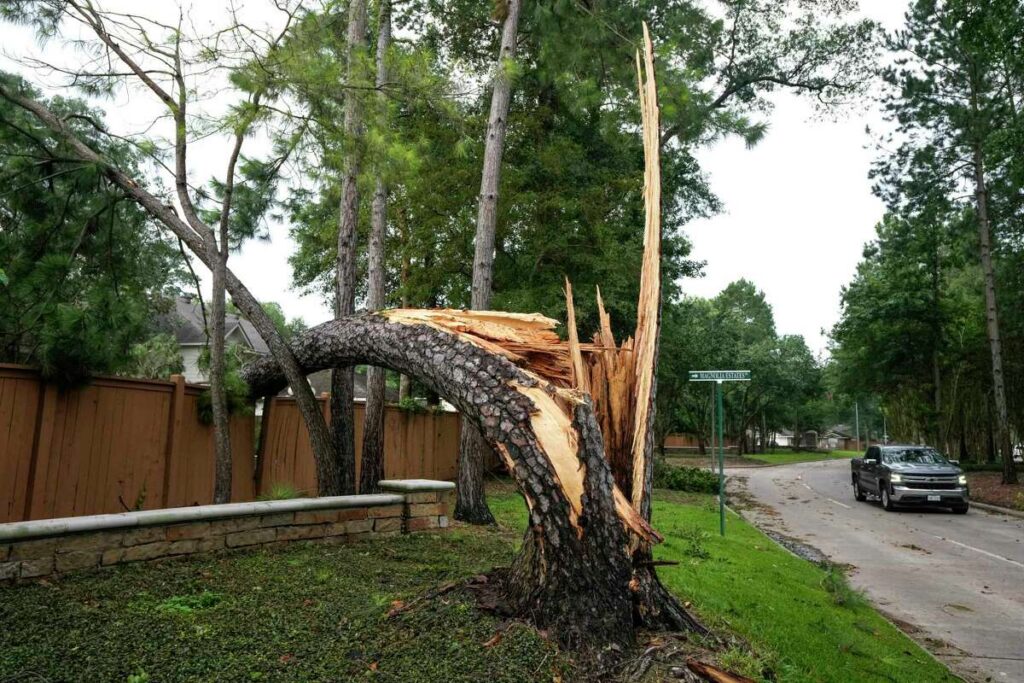
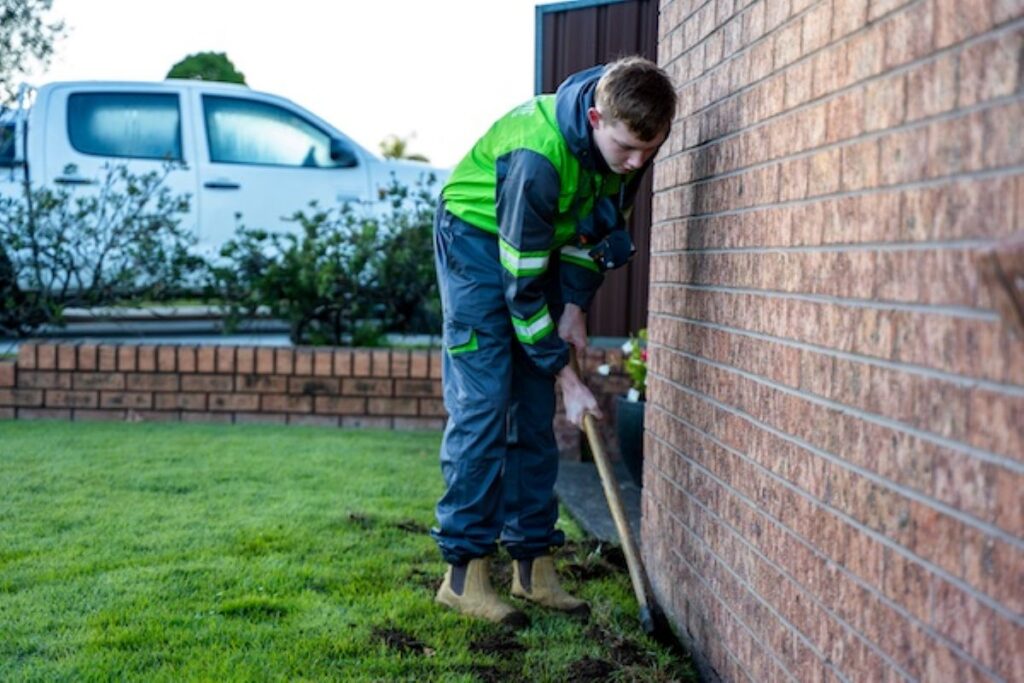
The Central Coast is a strange and wonderful mix: coastal dune vegetation, estuarine wetland, tall wet forest on the escarpment, and a fast-growing residential belt threaded through all of it. Roughly a third of the region is national park or reserve, and a very large number of homes back directly onto bushland.
That means tree removal Central Coast work spans everything from a single palm in a Terrigal courtyard to hazard reduction on a bushfire-exposed acreage at Kulnura.
Areas Covered
Gosford, Erina, Terrigal, Avoca Beach, Kincumber, Green Point, Woy Woy, Umina Beach, Ettalong, Empire Bay, Saratoga, Wyoming, Narara, Niagara Park, Ourimbah, Tuggerah, Wyong, The Entrance, Long Jetty, Bateau Bay, Berkeley Vale, Toukley, Budgewoi, Lake Munmorah, Somersby and Kulnura.
What Makes the Central Coast Different
Coastal exposure
Salt-laden onshore wind stresses trees, causes crown dieback on the exposed side, and accelerates decline in non-adapted species. Coastal properties see more storm failures than inland ones. Sandy and saturated soils
Dune sand around Umina, Ettalong and the Entrance offers poor root anchorage. Low-lying areas around Tuggerah Lakes have high water tables that limit rooting depth. Both increase windthrow risk.
Bushland interface
Huge numbers of properties adjoin reserves and national park. This drives both bushfire hazard work and stricter environmental controls.
Storm frequency
East coast lows hit the Central Coast hard. Post-storm demand for tree removal central coast services crews routinely outstrips supply for a week or more.
Distance
The LGA is geographically large. Travel time between Kulnura and Umina is significant, and crews often price a mobilisation component.
Common Trees and Their Problems
Spotted gum and blackbutt
Dominant tall forest species through the escarpment and hinterland. Straight, heavy, high canopies. Superb timber, expensive to remove.
Angophora and scribbly gum
Sandstone country trees. Prone to limb drop in heat.
Swamp mahogany and paperbark
Wetland species around the lakes. Often protected as habitat, particularly swamp mahogany, which is a critical winter food source for grey-headed flying foxes and swift parrots.
Norfolk Island pine and Cook pine
Iconic on the coastal strip, and increasingly the subject of removal requests as they outgrow small blocks.
Cocos palm
Widespread, weedy, heavy seed drop. Frequently exempt or easily approved.
Camphor laurel and privet
Environmental weeds throughout the hinterland gullies.
Radiata pine
Shallow-rooted, top-heavy, and the species most likely to come down in a southerly. A recurring driver of tree removal Central Coast callouts.
Council Approval
Trees on private land are protected under Chapter 2 of the State Environmental Planning Policy (Biodiversity and Conservation) 2021, administered by Central Coast Council through its Development Control Plan and tree management provisions. Check the NSW RFS 10/50 entitlement toolwhere bushfire rules may apply.
Generally, you need consent to remove a non-exempt tree or to prune more than a set proportion of its canopy. Exemptions commonly cover trees under a specified height, listed exempt and weed species, dead trees, and works needed to address an imminent risk.
Additional scrutiny applies where trees form part of an endangered ecological community, provide habitat for threatened fauna, sit within a coastal management area or riparian corridor, or occur on land with biodiversity values mapped under the Biodiversity Values Map.
Applications typically require photographs, a site plan and, for contested cases, a qualified arborist report. Any contractor doing regular tree removal Central Coast work should confirm the pathway before quoting.
10/50 in bushfire prone areas
Many Central Coast properties adjoining bushland fall within a 10/50 Vegetation Clearing Entitlement Area, allowing removal of trees within 10 metres of a home and clearing of underlying shrubs within 50 metres, without approval. Verify on the NSW RFS online tool on the day you intend to clear, and follow the Code of Practice. You may only clear your own land.
Storm Damage and Emergency Work
After a significant east coast low, the sequence matters:
Keep clear of any tree touching power lines and call the network provider.
Call the SES on 132 500 for a tree on a house or blocking a road.
Photograph everything before anything is moved.
Notify your insurer before authorising major works.
Get a make-safe done immediately; full clean-up can wait.
Expect queues. Emergency rates typically run 1.5 to 2.5 times standard, and door-knocking unlicensed operators appear within hours of any big storm. Ask for a certificate of currency before anyone starts.
What It Costs
Indicative 2026 pricing:
Small tree under 5m: $400 – $850
Medium tree 5-10m: $850 – $1,900
Large spotted gum or blackbutt 15-25m: $2,200 – $6,000
Large tree rigged over a dwelling: $4,000 – $10,000
Tree removal Central Coast pricing generally sits slightly below Sydney metro rates, offset by travel costs on the fringes of the LGA.
Protecting Habitat While Managing Risk
This is the balance that matters here. Hollow-bearing trees are irreplaceable habitat: it takes a eucalypt 80 to 150 years to develop usable hollows, and dozens of Central Coast species depend on them. Research from the Australian university urban-vegetation projectsupports treating canopy and habitat as assets, not waste.
Alternatives worth discussing with your arborist before removal:
Habitat pole retention. Reduce a hazardous tree to a safe standing stem rather than removing it entirely.
Crown reduction and deadwooding instead of full removal.
Cabling and bracing for weak unions on otherwise sound trees.
Nest box installation as a condition where hollow-bearing trees must go.
Targeted removal of only the failing stem in a multi-stemmed tree.
Councils increasingly favour these outcomes and may condition consent accordingly.
The Hills District covers some of Sydney’s most varied residential land: dense new estates at Rouse Hill and Box Hill, established leafy suburbs at Castle Hill and West Pennant Hills, and semi-rural acreage through Dural, Glenorie and Kenthurst. Each of those settings produces a completely different tree job.
This guide covers what tree removal Hills District residents actually need to know: the council rules that catch people out, the local species, acreage clearing, and what work costs in 2026.
Suburbs Covered
Castle Hill, Baulkham Hills, Bella Vista, Kellyville, North Kellyville, Rouse Hill, Beaumont Hills, Glenhaven, Dural, Kenthurst, Annangrove, Box Hill, Glenorie, Middle Dural, West Pennant Hills, Cherrybrook, Winston Hills and Northmead.
The Rule That Catches Everyone Out
The Hills Shire Council is explicit, and it surprises a lot of people. Consent is required to:
Prune a tree by more than 10 percent
Remove any tree not exempted from the Tree Preservation Order
Substantially alter the soil level within 3 metres surrounding a tree
That third one is the sleeper. Building a retaining wall, laying a driveway, raising a garden bed or excavating for a pool within three metres of a protected tree can require consent even though you never touch the tree itself. Root zone damage is one of the most common causes of tree decline in the Hills, and the council knows it.
The authority sits under the State Environmental Planning Policy (Biodiversity and Conservation) 2021, which includes provisions requiring the preservation of trees and bushland within The Hills Shire. Review The Hills Shire private-land tree rules before starting work.
Any legitimate tree removal Hills District contractor will raise the consent question before quoting. If they do not, that tells you something.
Exemptions
Exemptions typically cover trees below a specified height, species on the council’s exempt list, declared noxious and environmental weeds, and dead trees or trees posing an imminent risk to life or property.
“Imminent risk” is the most abused exemption in the industry. Councils across Sydney require evidence, usually an AQF Level 5 arborist assessment plus photographs. Removing a healthy protected tree and claiming imminent risk after the fact is a fast route to a five-figure penalty.
The Trees You Deal With Out Here
Blue gum and forest red gum
Remnant canopy trees, often the tallest thing on the block, frequently protected and sometimes on a significant tree register. Large limbs, high value, and expensive to work on.
Grey ironbark and turpentine
Dense hardwood, slow to cut, common through West Pennant Hills and Cherrybrook. Excellent firewood if you keep the timber.
Camphor laurel and privet
The standard weed removals. Usually exempt or easily approved.
Radiata pine and cypress windbreaks
A legacy of the Hills’ orchard and acreage past. Now tall, top-heavy and prone to windthrow. A big share of Professional tree removal Hills District work after storms.
Liquidambar and Chinese tallow
Estate plantings with aggressive surface roots that lift driveways and block stormwater.
Fruit and citrus orchard remnants
On older Dural and Glenorie properties, often declining and needing removal or restorative pruning.
Acreage and Rural Blocks
On semi-rural blocks the job changes completely. Instead of one tree in a courtyard, you may be clearing a fence line, thinning a windbreak, creating an asset protection zone or dealing with a paddock full of dead standing timber.
Key differences:
Machinery access. Trucks, chippers, excavators and forestry mulchers can usually get to the work, which lowers cost per tree dramatically.
Directional felling. Open ground means trees can be felled whole rather than dismantled, which is far faster.
On-site processing. Chipping and mulching on site avoids disposal cost entirely.
Native vegetation rules. Clearing native vegetation on rural-zoned land is regulated separately through Local Land Services, not just council. Check before clearing.
Bushfire zones. Properties adjoining bushland may fall within a 10/50 Vegetation Clearing Entitlement Area. Verify on the RFS tool on the day of clearing.
Bulk tree removal Hills District pricing on acreage is typically quoted per day or per hectare rather than per tree.
What It Costs
Indicative 2026 pricing:
Small tree under 5m: $400 – $850
Medium tree 5-10m: $850 – $1,900
Large gum 12-20m, clear access: $1,900 – $4,500
Large gum over a house, rigged: $4,000 – $9,000
Palm removal: $250 – $700
Stump grinding: $130 – $850
Windbreak or fence line clearing (per day, crew plus chipper): $2,000 – $3,500
Acreage clearing with forestry mulcher: $1,800 – $4,000 per day
AQF5 arborist report for council: $450 – $1,400
Hills District pricing sits close to the Sydney average, and often below the North Shore or Inner West, because access is generally better. Research from Western Sydney University on tree cooling is a useful reminder that healthy canopy has practical value. Newer estates with wide driveways are the cheapest jobs in Sydney to service.
Development and Construction
With continued development through Box Hill, North Kellyville and the North West Growth Area, a lot of tree work here is tied to building.
If trees sit within or adjacent to a proposed footprint, removal is generally assessed through the development application rather than a standalone tree permit. Retained trees will attract Tree Protection Zone conditions: fencing, ground protection, no storage of materials inside the TPZ, and supervision by a project arborist at defined hold points.
Breaching a TPZ condition is a common and expensive mistake. Root damage during construction kills the tree slowly, and the certifier will not sign off. Budget for a project arborist from the start.
Safety
SafeWork NSW has responded to a rising number of serious incidents in tree work, principally falls from height and workers struck by falling objects. On large Hills District gums with long horizontal limbs over roofs, the margin for error is small.
What to insist on: minimum AQF Level 3 for climbing crew, $20 million public liability, a Safe Work Method Statement for work at height, accredited operators for anything near overhead conductors, and a defined exclusion zone. Cheap tree removal Hills District quotes almost always come from operators missing at least one of those.
Nowhere in New South Wales does the tension between keeping trees and staying safe play out more sharply than the Blue Mountains. Residents live inside a World Heritage listed landscape, on ridgelines surrounded by bushland, in one of the highest bushfire risk areas in the country.
That makes tree removal Blue Mountains work a genuinely different discipline to suburban Sydney. Different species, different regulation, different terrain, and a completely different risk conversation.
Bullaburra, Wentworth Falls, Leura, Katoomba, Medlow Bath, Blackheath, Mount Victoria and Mount Wilson.
What Makes the Mountains Different
Bushfire exposure
Most properties sit within a bushfire prone area. Vegetation management is not cosmetic; it is part of an asset protection strategy. That drives a large share of tree removal Blue Mountains demand.
Terrain
Steep escarpment blocks, gully properties, long unsealed driveways and limited turning space. Machinery access is frequently impossible and everything is climbed and hand-carried, or lifted.
Species
Tall, straight eucalypts with high canopies and long, heavy limbs. Blue Mountains ash, mountain grey gum, scribbly gum, Sydney peppermint and turpentine dominate. Many are 30 metres plus. Regulation
Blue Mountains City Council applies tree preservation controls under the state vegetation policy, and there are additional environmental protections given the World Heritage Area, endangered ecological communities such as hanging swamps, and threatened species habitat.
Weather
High winds along the ridgeline, snow and ice at the upper end, and extreme fire weather in summer. Trees here fail differently, and more often.
The 10/50 Vegetation Clearing Scheme
This is the single most important thing for Blue Mountains property owners to understand.
Clear trees on their own property within 10 metres of a home, without seeking approval
Clear underlying vegetation such as shrubs, but not trees, within 50 metres of a home, without seeking approval
The critical qualifications:
Your property must be inside a 10/50 Vegetation Clearing Entitlement Area. Check the official RFS online tool, and check it on the day you intend to clear, because entitlement areas, excluded matters and rules change.
You may only clear your own land.
All work must comply with the 10/50 Vegetation Clearing Code of Practice.
Excluded matters apply, including certain heritage, geotechnical and environmentally sensitive land.
Where the entitlement applies and no other restriction exists, you do not need council approval or a Local Land Services approval. This makes 10/50 a genuinely useful pathway for tree removal Blue Mountains residents undertaking asset protection work. It is not, however, a blanket licence to clear.
When You Still Need Council Consent
Outside a 10/50 entitlement, or beyond the 10 metre zone, ordinary tree preservation rules apply. Consent is generally needed to remove a non-exempt tree or to prune more than 10 percent of a canopy.
Blue Mountains City Council applies additional scrutiny where trees form part of an endangered ecological community, provide habitat for threatened species, sit within a riparian corridor or hanging swamp catchment, or contribute to the World Heritage setting. Applications typically require an arborist report and often an ecological assessment.
Any competent tree removal Blue Mountains contractor will tell you which pathway applies before quoting.
Hazard Trees: What to Watch For
Mountains conditions produce specific failure modes.
Fire-damaged trees. Post-fire eucalypts may look alive from epicormic regrowth while the structural wood is compromised. Basal scarring and internal charring are common and dangerous.
Drought-stressed limb drop. Large eucalypts shed limbs in heat with no warning and no wind.
Windthrow on ridgelines. Shallow soils over sandstone plus high exposure equals uprooting.
Undercut root plates. Erosion along gully edges leaves root systems unsupported.
Dead standing timber. Extremely common after fire events, and a serious risk near dwellings and access tracks.
A post-fire structural assessment by a qualified arborist is one of the better investments a mountains property owner can make.
Access and Method
On a steep block, the removal method is dictated entirely by what can reach the tree.
Climbing and rigging: the default on gully blocks. Every section roped and lowered.
Directional felling into a clear zone: where the block allows it, this is fastest and cheapest.
Elevated work platform: viable only on level frontages with truck access.
Crane: rarely feasible on escarpment properties, occasionally used in town centres.
Winch and skid extraction: used to move trunk sections uphill to a loading point.
Disposal is its own challenge. Long driveways mean multiple trips, and tip facilities are further apart than in the metro area, which is why tree removal Blue Mountains quotes often carry a higher disposal component.
What It Costs
Indicative 2026 pricing:
Small tree under 5m: $450 – $950
Medium tree 5-12m: $950 – $2,400
Large eucalypt 15-25m, clear fell zone: $2,000 – $5,000
Large eucalypt, rigging over a dwelling: $4,000 – $10,000
Dead standing fire-damaged tree (high risk): $2,500 – $8,000
Asset protection zone clearing: $2,500 – $12,000 per acre depending on density
Stump grinding: $150 – $900
Chipping and mulching on site: often cheaper than removal, and useful for erosion control
A useful cost saving in the mountains: leave the chip on site. It suppresses weeds, controls erosion on slopes, and saves the crew a long haul.
Fire Preparation Beyond Tree Removal
Removal is only one part of an asset protection strategy. The RFS emphasises a broader approach: maintaining separation between tree canopies, removing fine fuels and ladder fuels beneath trees, keeping gutters clear of leaf litter, trimming branches overhanging roofs, and maintaining defendable space around the dwelling.
A smart tree removal Blue Mountains plan often removes fewer trees than owners expect, and focuses instead on canopy separation, deadwooding and understorey fuel reduction. Research from the Australian university urban-forest hubsupports keeping mature canopy where risk can be managed; it also reduces wind speed at ground level and shades the property in summer.
The Inner West has a very specific tree problem. Big trees, small blocks, and almost no room to work. A 20 metre camphor laurel behind a Newtown terrace has a drop zone measured in centimetres, and the only access is a 900mm side passage or through the house.
That combination makes tree removal Inner West work some of the most technically demanding in Sydney. This guide covers the local species, Inner West Council’s controls, heritage considerations, access strategies and what you should expect to pay.
Suburbs Covered
Newtown, Marrickville, Leichhardt, Balmain, Rozelle, Annandale, Stanmore, Petersham, Dulwich Hill, Enmore, Erskineville, Camperdown, Lilyfield, Haberfield, Ashfield, Summer Hill, Croydon, Sydenham, St Peters, Tempe and Birchgrove.
Why the Inner West Is Technically Hard
No drop zone
On a standard terrace block, a felled limb has nowhere to land that is not a roof, a fence, a clothesline or a neighbour’s courtyard. Everything must be roped and lowered on a friction device, piece by piece.
Access
Side passages under a metre wide, rear lanes that a chipper cannot enter, and shared driveways. Crews routinely carry material through houses on protective sheeting, or crane over the roofline from the street.
Neighbours on three sides
Work within touching distance of adjoining properties means written permissions, protective screening, and often overtime to avoid noise-restricted hours.
Overhead services
Many Inner West streets retain overhead power, phone and NBN cabling running directly through rear yards. Approach distance rules apply and accredited operators are required.
Heritage overlays
Large parts of Balmain, Haberfield, Annandale and Glebe sit within heritage conservation areas, which can add another layer to a tree removal Inner West application.
Common Problem Trees in the Inner West
Camphor laurel
The defining Inner West problem tree. Planted widely a century ago, now enormous, with aggressive roots that invade terracotta sewer lines and lift sandstone flagging. Widely regarded as an environmental weed and generally the most straightforward removal to get approved.
Chinese elm and privet
Self-seeded, fast growing, weedy, and forever pushing through fence lines and retaining walls.
Jacaranda and liquidambar
Beautiful street trees, terrible root behaviour on small blocks. Surface roots crack paths and block stormwater.
Cocos palm
Declared a weed by many councils. Heavy seed drop, invasive spread into bushland, and dangerous falling seed heads.
Mature figs
Hill’s weeping fig and Moreton Bay fig planted in tiny courtyards. Root systems that will eventually take out a footing. Removal is expensive because of the root plate.
Leyland cypress
Planted as fast screening, now 15 metres tall, dead at the base and impossible to reduce because it will not reshoot from brown wood.
Inner West Council Rules
Trees on private land across the Inner West are protected under Chapter 2 of the State Environmental Planning
Policy (Biodiversity and Conservation) 2021, implemented through Inner West Council’s Development Control Plan and tree management policy. Review the NSW vegetation controls for non-rural areasbefore lodging an application.
In general terms, consent is required to remove any non-exempt tree and to prune more than 10 percent of a canopy. Typical exemptions cover trees below a specified height, listed exempt and weed species, and dead or imminently hazardous trees.
Applications usually require photographs, a site plan and, for anything contested, an AQF Level 5 arborist report. Replacement planting conditions are increasingly standard because the Inner West has among the lowest canopy cover in Sydney and the council has active targets to raise it.
Properties in heritage conservation areas may need additional assessment where the tree contributes to the significance of the streetscape. A contractor doing regular tree removal Inner West work will know which streets those are.
Access Strategies and What They Cost
Climbing and hand-carry
The default. Slow, labour-intensive, no machinery damage. Adds 30 to 70 percent to labour compared with an open block.
Crane over the roof
Fast and often surprisingly economical for a large tree, because the crane replaces two days of hand-carrying. Requires street closure and traffic control. Budget $2,000 to $6,000 for crane and traffic management combined.
Rear lane access
Where available, the cheapest option. Confirm the lane width and any council access restrictions.
Through-house access
Used as a last resort with full floor protection. Adds time and risk of damage claims.
Neighbour’s property
Often the practical solution. Get permission in writing, agree on make-good, and photograph the condition of their yard before starting.
What Tree Removal Costs in the Inner West
Indicative 2026 pricing, generally 15 to 30 percent above open-block Sydney rates due to access:
Small tree under 5m, rear courtyard: $500 – $1,100
Medium tree 5-10m, hand-carry access: $1,200 – $2,600
Large camphor laurel 12-18m: $2,800 – $6,500
Mature fig with root plate complications: $5,000 – $15,000
Crane-assisted removal with traffic control: add $2,500 – $6,000
Terracotta sewer lines laid in the early twentieth century run beneath most Inner West backyards, and camphor laurel and fig roots find every joint. The symptoms are familiar: recurring blockages, root balls in the CCTV footage, and a plumber who quotes relining every two years.
Root invasion is one of the strongest grounds for a removal application, but you need evidence: a plumber’s CCTV report, the root material recovered, and ideally an arborist confirming which tree is responsible. Research from UTS on Sydney urban treesadds useful context on the benefits of retaining canopy where risk can be managed. Councils will not accept assumption. Assemble that file before lodging, and your tree removal Inner West application has a far better chance.
Safety in Confined Sites
SafeWork NSW has repeatedly flagged serious tree work incidents involving falls from height, workers struck by falling objects and rope entanglement in woodchippers. Confined Inner West sites concentrate every one of those risks.
What competent looks like on a terrace block: dual attachment climbing, every limb roped and lowered rather than dropped, a defined exclusion zone even if it is only three metres, protective screening over neighbouring glass, and a chipper positioned with a clear, supervised feed path.
Storms can turn a healthy tree into an urgent hazard in minutes. Homeowners usually need to balance safety, legal duties, insurance rules, and the right contractor, often while access is blocked and power lines are down.
This guide explains what to do first, when tree removals are necessary, and how to avoid expensive mistakes.
What should they do immediately after storm damage?
They should treat the area as dangerous until proven otherwise. The safest first step is to keep people and pets away, especially if branches are hanging, the trunk is split, or the tree is leaning.
If there are downed power lines or the tree is touching cables, they should call the electricity network operator or emergency services and stay well clear. They should take clear photos from a safe distance for insurance before anything is moved.
How can they tell if a tree needs removing or just pruning?
They should assume removal is likely if the trunk is cracked, the tree has lifted roots, or it has developed a sudden lean. A tree that has lost a large proportion of its canopy can also become unstable over the next weeks.
Pruning is often enough when damage is limited to small or medium limbs and the main structure is sound. A qualified arborist can confirm whether the tree can be made safe with reductions and selective cuts, rather than full removal.
When is storm damage considered an emergency?
It is an emergency when there is an immediate risk to life or major property. Examples include a tree blocking an exit, resting on a roof, threatening to fall onto a public pavement, or tangled with overhead lines.
They should also treat it as urgent if the tree has split into two stems, is heaving at the base, or has large suspended limbs. In these cases, waiting for “good weather” can make the situation worse and more costly.
What are the main risks of DIY tree removal after a storm?
Storm-damaged trees behave unpredictably because the wood can be under tension and compression. Cuts can cause the trunk to roll, limbs to spring, or the tree to shift suddenly, even if it looks stable.
Ladders, chainsaws, and wet ground are a dangerous mix for non-professionals. DIY work can also create liability if debris falls onto a neighbour’s property or the public highway, and insurers may question claims linked to unsafe actions. Learn the key differences between professional tree removal services and DIY tree removal risks.
Who is responsible if a tree falls onto a neighbour’s property?
Responsibility depends on where the tree stood and whether it was reasonably maintained. If the tree was clearly unsafe beforehand and the homeowner ignored obvious signs, they could be found negligent.
In many everyday scenarios, storm events are treated as “acts of nature”, and each party claims on their own insurance. They should document pre-storm conditions if possible and keep records of inspections or prior work.
Will insurance cover storm-damaged tree removal?
Many UK home insurance policies cover removal when a tree damages an insured structure, such as a house, garage, boundary wall, or driveway. Cover for “fallen tree removal” without damage is often limited, optional, or excluded.
They should read the policy wording and call the insurer before authorising major work, unless it is necessary to prevent further damage. Insurers may require photos, an arborist report, or receipts from an accredited contractor. Click here to get more about claims regarding storm-damaged trees on public land.
Do they need permission to remove a storm damaged tree?
They may need permission even after storm damage. Trees protected by a Tree Preservation Order (TPO) or located in a conservation area can require council consent before pruning or removal.
There is an exception for making a tree safe, but it still usually requires evidence and prompt notification to the local planning authority. They should ask the contractor to check protection status and keep written confirmation of any emergency works justification. You may also visit https://newcastle.nsw.gov.au/about-us/forms-and-publications/forms-and-permits/report-storm-damage-tree-removal-form to learn the requirements to report trees removed due to storm damage.
How should they choose a contractor for storm damage removals?
They should use a qualified, insured arborist rather than a “man with a saw”. A reputable contractor will explain the plan, identify hazards, and provide a written quote.
They should ask for proof of public liability insurance, relevant training, and whether waste removal and stump treatment are included. If access is tight or near buildings, they should expect rigging, controlled lowering, and possibly traffic or pavement management.
What questions should they ask before work starts?
They should ask what will be removed and what will be left, including whether the stump will be ground out. They should also ask who is responsible for checking TPO or conservation restrictions, and whether the price includes removing all arisings.
If the tree is near utilities, they should ask what safety steps will be used and whether the provider needs to isolate lines. They should confirm start date, timescale, and what happens if further defects are discovered mid-job.
What should they expect the removal process to involve?
A proper storm damage removal usually starts with a site risk assessment. The contractor may cordon off areas, set anchor points, and remove unstable limbs first to reduce danger.
In confined spaces, the tree is typically dismantled in sections and lowered with ropes to avoid damaging roofs, fences, or gardens. If the tree has failed at the root plate, machinery may be used, but only where ground conditions allow.
What happens to the stump and roots afterwards?
They usually have three options: leave the stump, grind it below ground level, or remove it fully. Stump grinding is the most common because it is quicker and less disruptive than excavation.
If replanting is planned, grinding helps create space, but they may need fresh topsoil. If the tree failed due to root decay, the contractor may recommend checking nearby trees for similar issues, especially in the same soil conditions.
How can they reduce the chance of future storm-related removals?
They can reduce risk by arranging periodic inspections, particularly for mature trees near buildings or roads. Early action like crown thinning, deadwood removal, and correcting weak unions can prevent failures.
They should also watch for warning signs: fungi at the base, cracks, cavities, sudden dieback, or soil lifting after high winds. Planting the right species in the right place, with room to grow, lowers long-term storm vulnerability.
What should they do if access is blocked and clean-up is urgent?
They should clear only light debris they can move safely, without climbing or cutting overhead limbs. Anything under tension, hung up in the canopy, or resting on structures should be left to professionals.
If the tree blocks a public road or footpath, they should contact the local council or highways authority for guidance, especially if traffic management is needed. They should continue documenting the condition until the site is made safe.
What is the simplest safe plan homeowners can follow?
They should prioritise safety, documentation, and expert advice. Keep away from hazards, photograph everything, contact insurers when practical, and hire a qualified, insured arborist who can handle permissions and controlled removal.
Storm damage is stressful, but the right sequence prevents injuries, avoids legal trouble, and usually reduces the final cost.
FAQs (Frequently Asked Questions)
What immediate steps should homeowners take after storm damage to a tree?
Homeowners should treat the area as dangerous until proven safe by keeping people and pets away, especially if branches are hanging, the trunk is split, or the tree is leaning. If there are downed power lines or the tree touches cables, they must call the electricity network operator or emergency services and stay well clear. Taking clear photos from a safe distance for insurance purposes before moving anything is also essential.
How can one determine whether a storm-damaged tree requires removal or just pruning?
Removal is likely if the trunk is cracked, roots are lifted, or the tree has developed a sudden lean. A large loss of canopy can also make a tree unstable over weeks. Pruning suffices when damage is limited to small or medium limbs with a sound main structure. A qualified arborist should assess whether selective cuts can make the tree safe instead of full removal.
When is storm damage to trees considered an emergency situation?
It is an emergency when there is an immediate risk to life or major property, such as a tree blocking an exit, resting on a roof, threatening public pavements, or entangled with overhead lines. Urgency also applies if the tree has split stems, heaving at the base, or large suspended limbs. Waiting for better weather in these cases may worsen risks and costs.
What are the risks associated with DIY tree removal after storm damage?
Storm-damaged trees behave unpredictably due to tension and compression in wood; cuts can cause sudden rolling, springing limbs, or shifting even if stable-looking. Using ladders and chainsaws on wet ground poses dangers for non-professionals. DIY removal can create liability if debris falls on neighbours’ properties or public areas, and insurers may question claims linked to unsafe actions.
Is permission required to remove a storm-damaged tree?
Permission may be needed even after storm damage. Trees protected by Tree Preservation Orders (TPOs) or located in conservation areas often require council consent before pruning or removal. An exception exists for making a tree safe but usually requires evidence and prompt notification to local authorities. Contractors should verify protection status and keep written confirmation of emergency work justification.
Will home insurance cover the cost of removing storm-damaged trees?
Many UK home insurance policies cover removal when a tree damages insured structures like houses, garages, boundary walls, or driveways. Coverage for fallen tree removal without damage tends to be limited, optional, or excluded. Homeowners should review policy wording carefully and contact their insurer before authorising major work unless necessary to prevent further damage; insurers may request photos, arborist reports, or receipts from accredited contractors.
This guide walks through what usually happens at each stage, so homeowners know what to expect, what to ask, and how to prepare.
What happens when homeowners first book a pest control visit?
They usually start with a short call or online form where the company gathers the basics: the pest type (or suspected pest), what has been seen, where activity is happening, and how urgent the issue feels. For concerns related to termites, termite pest control Sydney specialists will also ask about signs such as mud tubes, hollow timber, or recent swarmers.
They may also ask about pets, children, allergies, and whether anyone is pregnant, so the technician providing termite pest control Sydney can plan appropriate products and methods.
After that, they provide an appointment window and explain any pre-visit steps, such as clearing under sinks, moving furniture slightly away from walls, or securing pets.
What questions do pest controllers typically ask before arriving?
They tend to ask questions that help them avoid guesswork. That includes when the issue started, whether it is getting worse, what times pests are seen, and whether any DIY treatments have been used already. They may ask for photos of droppings, damage, nests, insects, or entry points to speed up identification.
They also often ask about the property itself, such as whether it is a house, terrace, flat, or duplex, and whether there is a subfloor, roof void, garden, or adjoining walls with neighbours.
How do they inspect a home once they are on-site?
They usually begin by confirming the symptoms with the homeowner and checking the most likely hotspots. For cockroaches, that might mean kitchens, laundries, and bathrooms. For rodents, it is commonly roof spaces, garages, and wall cavities. For termites, they often focus on moisture-prone areas and timber structures, then expand outward.
A proper inspection typically includes looking for entry points, nesting sites, food and water sources, and signs of travel like rub marks, grease marks, mud tubes, droppings, or shed wings. They also consider environmental factors, like leaking taps, garden mulch against walls, or stored items that create shelter.
How do they identify the pest and choose the right treatment?
They match the pest species and behaviour to a targeted method rather than using a one-size-fits-all spray. That matters because different pests respond to different strategies. For example, baiting may be more effective than surface spraying for certain cockroach species, while exclusion work and trapping may be central for rodents.
They also factor in the property’s layout, level of infestation, access to harbourage areas, and risk profile for children and pets. From there, they explain what they recommend, what it will achieve, and what limits exist, especially when infestations are advanced or access is restricted.
What does a typical treatment actually involve?
Most treatments are a combination of actions rather than a single step. They may apply targeted insecticides, place gel baits, install monitoring stations, dust voids, set traps, or use foam in hard-to-reach cavities. For ants, they may use slow-acting baits designed to reach the nest. For spiders, they often focus on web removal and perimeter treatments paired with habitat reduction.
They also usually treat the “why”, not just the “what”, by addressing entry points, moisture, clutter, and food access. In many homes, small changes like sealing gaps, storing food properly, and fixing leaks can make a major difference.
How do they manage safety for children, pets, and indoor air quality?
They typically select products and placement methods that reduce exposure, such as applying baits in cracks and crevices, using low-odour formulations, and avoiding unnecessary broad spraying in living areas. They also give clear instructions on what to keep away from treated zones, and for how long.
Homeowners are normally advised to keep pets out of the treatment area during application and to follow any re-entry time guidance. If aquariums, bird cages, or sensitive pets are present, they usually plan around them with extra precautions like covering tanks, turning off aeration briefly if required, and increasing ventilation.
What should homeowners do before and after the treatment?
Before the visit, they can speed things up by tidying the problem areas and making access easy. That often means clearing under sinks, removing items from the backs of cupboards, and moving bins so technicians can inspect and treat properly. For fleas or rodents, they may advise extra preparation, such as vacuuming thoroughly or removing pet bedding for washing.
After treatment, they usually recommend avoiding deep cleaning in treated zones for a set period so products can keep working. They may also advise ongoing hygiene steps, sealing cracks, reducing clutter, trimming vegetation away from the house, and storing food in sealed containers. For detailed building standards and prevention methods, see this guide on termite risk management in housing and site preparation.
How do they handle follow-ups, warranties, and ongoing prevention?
They often provide a written report or service summary explaining what was found, what was done, and what to monitor next. Many services include a follow-up window or warranty period for certain pests, where they will return if activity persists. Homeowners should check what is covered, what conditions apply, and whether ongoing issues can be linked to access limitations or reinfestation from neighbouring properties.
For high-risk pests or recurring problems, they may recommend a scheduled maintenance plan. That typically focuses on monitoring and prevention, such as routine inspections, seasonal treatments, and targeted bait station checks.
What results should homeowners realistically expect, and how soon?
They often see improvement quickly, but timing depends on the pest and method used. Some pests, like cockroaches treated with baits, can appear more active initially as they contact the product and move within harbourage areas. Rodent control can also take time if there are multiple entry points or a steady food source nearby.
A reliable service sets expectations clearly: what “normal” post-treatment activity looks like, what signs suggest success, and when a return visit is appropriate. When homeowners follow preparation and aftercare guidance, results are usually faster and longer-lasting.
What should I expect when I first book a pest control service in Sydney?
When you first book a pest control visit, the company will typically start with a short call or online form to gather basic information such as the type of pest, location of activity, urgency, and household details like pets or allergies. They will then provide an appointment window and advise on any pre-visit preparations like clearing areas or securing pets.
What information do pest controllers usually ask for before arriving at my home?
Pest controllers often ask about when the issue started, whether it’s worsening, times pests are seen, and any DIY treatments used. They may request photos of droppings or damage to aid identification and inquire about your property type and features like gardens or adjoining walls to tailor their approach.
How is my home inspected during a pest control visit?
Technicians confirm symptoms with you and inspect likely hotspots depending on the pest—kitchens for cockroaches, roof spaces for rodents, moisture-prone timber areas for termites. They look for entry points, nesting sites, food/water sources, signs like droppings or mud tubes, and environmental factors contributing to infestations.
How do professionals identify pests and decide on the most effective treatment?
Pest controllers match the specific pest species and behaviour to targeted methods rather than generic sprays. They consider infestation level, property layout, access to harbourage areas, and safety risks to children or pets before recommending tailored treatments such as baiting, trapping, exclusion work, or insecticides.
What safety measures are taken regarding children, pets, and indoor air quality during treatments?
Products and application methods are chosen to minimise exposure—using baits in cracks rather than broad sprays—and clear instructions are provided on keeping away from treated zones. Extra precautions are taken around sensitive pets or aquariums by covering tanks and enhancing ventilation to maintain indoor air quality.
What follow-up care should I expect after pest treatment?
After treatment, you should avoid deep cleaning treated areas for a set time to allow products to work effectively. Pest control services often include follow-up visits or warranties if pests persist. Ongoing prevention advice includes sealing gaps, reducing clutter, trimming vegetation away from your home, and storing food securely to maintain long-term results.
Tree removal looks simple from the ground: a few cuts, a planned drop, job done. In reality, it is one of the most injury-prone tasks around a home, and it is also one of the easiest ways to damage roofs, fences, cars, drains, and power lines.
So which route is safer and faster: hiring a tree removal company, or doing it DIY? It depends on the tree, the site, and the person’s experience, but in most real gardens, professionals win on both safety and speed.
Is DIY tree removal ever the safer option?
Rarely, but it can be when the job is genuinely small and simple. If they are removing a very small tree or a thin, self-seeded sapling with clear space all around, DIY can be safe with basic hand tools and sensible precautions.
The moment a tree is tall, heavy, leaning, close to structures, or has dead limbs, the risk jumps sharply. In those cases, DIY becomes the less safe option, even for confident homeowners, which is why professional services like Trees Down Under, a Sydney’s premier tree removal company, are often the safer and more reliable choice.
Why is a tree removal company usually safer?
A reputable tree removal company reduces risk through training, equipment, and process. They typically assess lean, canopy weight, decay, drop zone, and access before they cut anything, then choose a method that limits uncontrolled movement.
They also work with proper PPE and rigging systems designed for controlled dismantling. That matters because most serious incidents come from falling limbs, kickback, ladders, and trees behaving differently than expected once fibres start to fail. Learn why hiring certified arborists for safe tree removal reduces risks from falling limbs, equipment failure, and unpredictable tree movement.
What makes DIY tree removal risky in typical gardens?
Most gardens are constrained spaces with hidden hazards. They may have sheds, greenhouses, neighbouring fences, overhead cables, uneven ground, and limited drop zones, all of which increase the odds of a mistake turning into damage or injury.
DIYers also tend to underestimate weight and tension. A branch that looks manageable can weigh far more than expected, and a cut limb can swing, roll, or rebound in ways that are hard to predict without experience. For more information on tree removal protection visit https://www.safework.nsw.gov.au/hazards-a-z/tree-trimming-removal-and-arborist-work.
Which option is faster for most people?
A tree removal company is usually faster from first cut to final clear-up, especially on medium to large trees. They arrive with a plan, a team, and the right kit to dismantle and remove timber efficiently.
DIY can be slower even on modest jobs because they may need to buy or hire tools, set up safely, stop to reassess, and then spend far longer cutting, dragging, stacking, and disposing of waste.
Does stump removal change the time comparison?
Yes, significantly. Many people focus on felling the tree and forget that the stump can be the most time-consuming part if they want it gone, not just cut low.
Professionals can stump grind quickly with purpose-built machines, while DIY stump removal is often hours or days of digging, cutting roots, and struggling with soil and stones. If speed matters, stump grinding is usually the tipping point.
What tools and skills do DIYers typically underestimate?
Chainsaw skill is the big one, but it is not the only one. Safe felling involves understanding notch cuts, back cuts, hinge wood, bar pinch, tension and compression, and escape routes, plus how to deal with hang-ups.
They also often underestimate access equipment needs. Ladders and improvised platforms are common in DIY accidents, and many jobs that look like “just a bit higher” actually require climbing and controlled rigging to do safely. Click here to get more about tree removal’s skills and tools.
How do costs compare once time and risk are included?
DIY can look cheaper on paper, especially if they already own tools. But costs add up through tool hire or purchase, PPE, waste removal, stump handling, and potential repairs if something goes wrong.
Professional quotes can feel higher upfront, yet they often include labour, equipment, insurance, and disposal. For many households, avoiding one damaged fence panel, cracked patio slab, or dented vehicle can offset the apparent DIY savings.
When is hiring a tree removal company the clear choice?
It is the clear choice when the tree is large, dead, leaning, near buildings, overhanging roads or neighbours, or close to power lines. It is also the better choice if there is limited drop space, poor access, or the ground is sloped or unstable.
If they are unsure about the tree’s condition, a professional assessment is usually the safest first step. Decay, cavities, and split unions can turn a “normal” fell into a highly unpredictable one.
What are the most common safety mistakes with DIY removal?
The most common mistakes are poor planning and rushing the cut. DIYers often skip a proper drop zone, fail to plan an escape route, cut above shoulder height, or work too close to the fall line.
Another frequent error is attempting to free a hung-up tree by cutting more wood from below or pushing from unsafe positions. That is where sudden releases and “barber chair” splits can cause serious injuries.
How can they decide quickly which option suits their tree?
A practical rule is this: if they cannot fell it safely in one clean direction with a wide, clear landing area, it is usually not a DIY job. If it needs piecing down, rigging, climbing, or work near targets, professionals are the safer and quicker route.
If they still want to DIY, they should limit it to small trees, use correct PPE, keep helpers well back, and have a disposal plan. In most cases, hiring a tree removal company remains the safer, quicker path from problem tree to tidy garden.
FAQs (Frequently Asked Questions)
Is DIY tree removal ever the safer option?
DIY tree removal can be safe when dealing with very small or thin saplings with clear space all around, using basic hand tools and sensible precautions. However, for tall, heavy, leaning trees or those close to structures or with dead limbs, DIY becomes significantly riskier.
Why is hiring a tree removal company usually safer than DIY?
Professional tree removal companies reduce risks through specialized training, proper equipment, and thorough assessment of factors like tree lean, canopy weight, decay, and drop zones. They use PPE and controlled dismantling techniques to prevent accidents caused by falling limbs or unexpected tree behaviour.
What makes DIY tree removal risky in typical gardens?
Gardens often have constrained spaces with hidden hazards such as sheds, fences, overhead cables, uneven ground, and limited drop zones. DIYers may underestimate the weight and tension in branches, leading to unpredictable swings or rebounds that increase the risk of injury or property damage.
Which option is faster for most people: DIY or professional tree removal?
Tree removal companies are generally faster due to their experience, team coordination, and specialised equipment. DIY jobs tend to take longer because of tool acquisition, safety setup, reassessment pauses, and the time-consuming process of cutting, dragging, stacking, and waste disposal.
Does stump removal affect the time comparison between DIY and professional services?
Yes. Stump removal can be very time-consuming for DIYers who must dig out roots manually. Professionals use stump grinding machines that quickly remove stumps. Therefore, if stump removal is required, hiring a company usually saves significant time.
When should you definitely hire a professional tree removal service?
Hiring professionals is advisable when the tree is large, dead, leaning dangerously close to buildings or power lines, overhanging roads or neighbours’ property, or situated on sloped or unstable ground. Also consider professionals if access is poor or if the tree shows signs of decay or structural weakness.
What matters most is this: a good treatment should stop the current colony and reduce the chance of re-infestation, but ongoing monitoring is what keeps protection in place.
How long does termite treatment last in real homes?
Most professional pest control termite treatment solutions last anywhere from 1 to 10+ years, depending on the approach. Some methods are designed as long-term barriers, while others work as an ongoing elimination and monitoring system.
A homeowner should not judge the success of a pest control termite treatment only by “no visible termites.” They should also judge it by whether the treatment is still intact, regularly inspected, and supported by a clear warranty or service plan.
Which termite treatment type lasts the longest?
In many cases, a professionally applied chemical soil barrier can offer the longest single “set-and-protect” window. Baiting systems can also provide long-term protection, but only if they are continuously serviced and replenished.
The longest-lasting option is usually the one that matches the property. A method that is ideal for one home can be less durable for another because of drainage, landscaping, or building design.
How long do liquid soil (chemical barrier) treatments last?
A high-quality soil treatment commonly lasts 5 to 10 years, sometimes longer under ideal conditions. Its durability depends heavily on whether the treated soil stays undisturbed around the foundation.
Any digging, major landscaping, new paving, or plumbing work can break the barrier. If the barrier is compromised, termites may find an untreated gap and re-enter without needing to “defeat” the chemical.
How long do termite bait stations last?
Bait stations can protect a property for as long as they are maintained, because the system is designed to be inspected and refreshed. The bait itself is not a permanent “one-time” product, so the protection is tied to regular service visits.
They work well where a continuous soil barrier is difficult, but they require patience. A baiting strategy may take longer to eliminate a colony than some liquid applications, especially in high-pressure areas.
How long do wood treatments and foams last?
Wood treatments, foams, and dusts can last months to several years, depending on the product and where it is applied. They are often used for targeted activity in timber or wall voids rather than whole-property prevention.
They can be excellent for localised control, but they are not always a substitute for treating the ground around the building. If termites remain active in the soil, they can simply attack a different entry point.
What factors shorten the life of termite treatment?
The most common reasons treatments fail early are moisture issues, soil disturbance, and untreated access points. Termites thrive where there is consistent dampness, leaking pipes, poor drainage, or timber-to-soil contact.
Even a strong treatment can be undermined if the property has hidden conditions that keep inviting termites back. That is why many professionals focus as much on “conducive conditions” as on chemicals.
Does the climate and soil type change how long treatment lasts?
Yes, climate and soil can significantly affect longevity. Heavy rainfall, flooding, very sandy soils, and areas with frequent ground movement can reduce how long a barrier remains consistent.
Local termite pressure also matters. In regions with aggressive, high-density termite populations, a property may need tighter inspection intervals and faster follow-up if any weakness appears.
How can someone tell if a treatment is still working?
They cannot reliably tell just by looking, because termites often stay hidden until damage is advanced. The most dependable way is through scheduled inspections and, where relevant, bait station checks or monitoring devices.
If termite mud tubes reappear, winged swarmers are found indoors, or new timber damage is noticed, they should treat it as urgent. It might not mean the entire treatment has failed, but it does mean something needs attention quickly.
How often should a property be inspected after termite treatment?
Most properties benefit from an inspection at least once a year, and sometimes more often in high-risk locations. Inspections help confirm the barrier has not been disturbed and that moisture conditions have not changed.
If a property has a history of termites, ongoing renovation work, or persistent damp issues, more frequent inspections can prevent expensive surprises.
Do warranties mean the treatment will last that long?
A warranty usually means the company will re-treat or repair under certain conditions, not that termites are impossible during the warranty period. It is a service promise with rules, not a guarantee of zero termite activity.
They should read the terms closely. Some warranties require annual inspections, proof of maintenance, or exclusions for building changes and water leaks.
What can homeowners do to make termite treatment last longer?
They can extend protection by removing the conditions termites love. Simple changes such as fixing leaks, improving drainage, keeping subfloors ventilated, and ensuring timber does not touch soil can make a major difference.
They should also avoid disturbing treated soil near the foundation. If work is required, it is worth asking the pest controller how to protect or re-establish the treated zone afterwards. Learn more about termite control.
When should termite treatment be repeated?
Treatment should be repeated when inspections show the barrier has been disrupted, bait stations need continued servicing, or new activity is detected. It may also be recommended after major plumbing or landscaping projects that affect the perimeter soil.
The safest approach is not guessing by time alone. They should base the decision on inspection findings, local termite risk, and whether the original protection method is still intact.
What is the realistic takeaway on how long termite treatment lasts?
Termite treatment can last years, but only if it suits the property and it is supported by inspections and upkeep. Chemical barriers often provide longer “set” protection, while baiting provides long-term coverage through ongoing monitoring.
If they want the most realistic answer for a specific home, they should ask for the treatment type, expected lifespan in local conditions, inspection frequency, and what actions could void or weaken the protection. That clarity is what turns a treatment into lasting prevention.
How long does termite treatment typically last in residential properties?
Most professional termite treatments last between 1 to 10+ years, depending on the method used. The longevity varies with treatment type, soil conditions, moisture levels, construction features, and termite activity in the area. Regular maintenance and inspections are essential to sustain protection.
Which termite treatment method offers the longest-lasting protection?
A professionally applied chemical soil barrier often provides the longest single ‘set-and-protect’ period, typically lasting 5 to 10 years under ideal conditions. Baiting systems can also offer long-term protection but require continuous servicing and replenishment to remain effective.
What factors can reduce the effectiveness and lifespan of termite treatments?
Common factors that shorten termite treatment life include moisture problems (like leaking pipes or poor drainage), soil disturbance (from landscaping or construction), and untreated access points. These conditions create conducive environments for termites, undermining even strong treatments.
How important are inspections in maintaining termite treatment effectiveness?
Scheduled inspections, usually at least once a year, are crucial to confirm that the treatment barrier remains intact and that environmental conditions have not changed. Inspections help detect early signs of termite activity such as mud tubes or timber damage, enabling timely intervention to maintain protection.
Does a warranty guarantee that termite treatment will prevent infestations during its term?
No, a warranty generally means the pest control company will re-treat or repair under specified conditions but does not guarantee zero termite activity. Warranties often require annual inspections and proper maintenance; homeowners should carefully read terms to understand coverage and obligations.
What steps can homeowners take to extend the life of termite treatments?
Homeowners can prolong treatment effectiveness by eliminating conducive conditions: fixing leaks, improving drainage, ensuring good subfloor ventilation, preventing timber-to-soil contact, and avoiding disturbance of treated soil near foundations. Consulting pest professionals before landscaping or plumbing work helps protect the treated zone.
Understanding the tree removal costs in 2026 is essential for Australian homeowners planning property maintenance or emergency clearing. As urban canopy protections tighten and operational overheads for arborists rise, budgeting for professional tree services requires a clear grasp of height, species, and site accessibility.
In this comprehensive 2026 price guide, we break down the national averages and the specific variables—from hardwood disposal to council permits—that will determine your final quote.
What Determines the Cost of Tree Removal in Australia?
Tree removal is rarely a “flat fee” service. Because every job involves unique risks to property and personnel, arborists calculate quotes based on the total resources required to safely dismantle and dispose of the specimen.
Core Pricing Factors
Tree Height & Canopy Spread: The primary driver of cost. Taller trees require more rigging, more time, and often specialized climbing or aerial equipment.
Site Accessibility: If a tree is in a tight backyard with no side access, crews must manually carry timber or use expensive cranes, significantly increasing the price.
Tree Condition: Dead or decaying trees are often more dangerous to climb, necessitating more complex safety protocols.
Waste Disposal: The volume of “green waste” produced can be immense. Hardwood is heavier and more expensive to transport than softwood or palm fibers.
Tree Removal Cost Breakdown by Size (2026 Estimates)
To help you estimate your project, we have categorized typical Australian tree removals into four size tiers. These prices reflect national 2026 averages for standard residential removals.
2026 Tree Removal Price Table
Tree Size
Height Range
Average Price (AUD)
Common Examples
Small
Up to 6m
$350 – $950
Bottlebrush, Lilly Pilly, Large Shrubs
Medium
6m – 12m
$1,000 – $2,800
Jacarandas, Frangipanis, Wattle
Large
12m – 20m
$3,000 – $7,500
Mature Gums, Pines, Stringybarks
Extra-Large
20m+
$8,000 – $20,000+
Giant Eucalyptus, Moreton Bay Figs
Note: These estimates generally include felling and chipping but may not include stump grinding or council application fees.
Why 2026 Costs Differ: Hardwood vs. Softwood and Palms
The species of your tree plays a massive role in the labor intensity of the job.
Hardwood (e.g., Eucalyptus, Ironbark)
Australian hardwoods are notoriously dense. They dull chainsaw chains quickly and are incredibly heavy to move. Removing a 15-meter Gum tree requires significantly more physical labor and fuel than a softwood tree of the same size.
Softwood (e.g., Pine, Cedar)
While easier to cut, softwoods like Pines often produce more sticky resin and higher volumes of foliage, which can fill up woodchipper trucks rapidly, leading to higher disposal frequency.
Palm Trees
Palms are unique because they cannot be processed through standard woodchippers. Their fibrous trunks must be cut into “rounds” and hauled away to specific landfill sites, which often charge a premium for palm waste.
Hidden Costs: Permits, Reports, and Stump Grinding
When budgeting for tree removal costs in 2026, the “on-ground” work is only part of the equation.
1. Council Permits and Arborist Reports
Most Australian LGAs (Local Government Areas) have strict Tree Preservation Orders (TPOs).
Application Fees: Usually range from $75 to $250.
Arborist Reports: If the tree is healthy but you want it removed for construction, the council may require a “Level 5 Arborist Report.” These typically cost between $450 and $700.
2. Stump Grinding
Removing the tree above ground does not include the stump.
Small Stumps: $150 – $300.
Large/Complex Stumps: $500 – $1,200+.
Tip: Ask for a “combined quote” to save approximately 15% on stump services.
3. Equipment Surcharges
If your tree is inaccessible by foot, your arborist may need to hire:
Cherry Picker (EWP): Adds $500 – $1,000 per day.
Crane: For extra-large trees over houses, crane hire can add $2,000 – $5,000 to the total bill.
How the Tree Removal Process Works
Understanding the workflow helps you see where your money is going. A professional 2026 tree removal follows these steps:
Site Assessment: Identifying “drop zones” and obstacles (fences, power lines).
Rigging & Climbing: An arborist climbs the tree and uses ropes to lower branches safely.
Sectional Felling: The trunk is cut into manageable “biscuits.”
Processing: Branches go through a woodchipper; logs are loaded onto a truck.
Clean-up: The site is raked and cleared of sawdust and debris.
Best Practices for Lowering Your Costs
While you should never compromise on safety, there are ways to minimize the financial impact:
Keep the Mulch: If you have a garden, ask the arborist to leave the woodchips behind. This can save you $100–$200 in disposal fees.
Curb-side Access: If you can clear your driveway or move vehicles to allow the chipper truck closer to the tree, you reduce labor hours.
Seasonal Timing: Booking in late winter (outside of storm season) may result in more competitive quotes as demand is lower.
Group Work: If you and a neighbor both need trees removed, booking the crew for one full day is cheaper than two separate call-outs.
Common Mistakes to Avoid
Hiring Uninsured “Tradies”: Tree removal is high-risk. Ensure your provider has at least $10M (preferably $20M) in Public Liability Insurance.
Illegal Removal: Fines for removing protected trees in NSW, VIC, or QLD can exceed $20,000 per tree in 2026. Always verify council rules first.
Ignoring the “Price vs. Value” Trap: The cheapest quote often lacks proper waste disposal or insurance, leaving you liable for damages.
Frequently Asked Questions (FAQ)
How much does it cost to remove a tree near power lines?
Working near power lines requires a “Level 2” accredited arborist and often a specialized spotter. This typically adds 20% to 50% to the standard removal cost due to the increased risk and regulatory compliance.
Is stump removal always included in the price?
No. In Australia, tree removal and stump grinding are usually quoted as separate line items. Always clarify if the “tree removal” quote includes “taking it to ground level” or “complete root removal.”
Do I need a permit for a dead tree?
In many councils, dead or “imminently dangerous” trees are exempt from permit requirements. However, you must still provide photographic evidence or a brief letter from an arborist to avoid potential fines.
What is the average cost of an arborist report in 2026?
A standard residential arborist report for 1–3 trees currently costs between $450 and $650. Prices vary based on the level of detail required by your local council.
Can I save money by cutting the tree myself?
DIY tree removal is highly discouraged for any specimen over 3 meters. The risk of property damage, power line interference, and personal injury far outweighs the potential savings.
Conclusion: Planning Your 2026 Tree Removal
Navigating tree removal costs in 2026 requires a balance of professional expertise and local regulatory knowledge. While a small tree might only set you back a few hundred dollars, large-scale removals for Gums or Pines require significant investment due to the specialized equipment and labor involved.
By understanding the tiered pricing structures and the impact of factors like accessibility and hardwood disposal, you can approach contractors with confidence and ensure your property remains safe and compliant.
Would you like me to help you draft a checklist for interviewing local arborists to ensure they are fully insured and compliant with 2026 standards?
Internal & External Reference Suggestions:
Internal Link Suggestion:Guide to Australian Native Tree Protection Laws
Internal Link Suggestion:Stump Grinding vs. Total Root Extraction: Which is Better?
External Reference: Refer to Arboriculture Australia for industry-standard safety and qualification guidelines.
Ordering funeral flowers with care in Sydney means choosing arrangements that genuinely honour a loved one’s memory whilst providing comfort to grieving families. The right florist understands that these aren’t ordinary flowers—they’re tangible expressions of sympathy during life’s most difficult moments.
Funeral flowers Sydney services play a vital role in the bereavement process. They create a peaceful atmosphere at memorial services, offer visual comfort to mourners, and communicate feelings that words often cannot express. When families see thoughtfully arranged sympathy flowers delivery at a service, they recognise the care and respect others hold for their loss.
Provide a focal point for remembrance and reflection
Demonstrate community support during isolation and grief
Offer a meaningful way for distant friends and relatives to participate in honouring the deceased
Create lasting memories through their beauty and symbolism
The question of where to order funeral flowers delivered in Sydney with care matters because not all florists approach sympathy arrangements with the same level of compassion and attention to detail. Selecting a florist experienced in funeral services ensures arrangements arrive on time, appear exactly as intended, and convey the appropriate sentiment for such solemn occasions.
Quality funeral florists in Sydney recognise that their work directly impacts how families experience one of life’s most challenging days. They handle each order with discretion, craft arrangements by hand with genuine empathy, and deliver with the quiet professionalism that difficult circumstances demand.
What Types of Funeral Flowers Can Be Ordered for Delivery in Sydney?
Sydney florists offer six main categories of funeral arrangements, each designed to suit different preferences and service requirements.
1. Funeral Wreaths
Funeral wreaths are circular designs symbolising eternal life. They are typically created by funeral wreaths Sydney providers and range in size from 40cm to 80cm in diameter. These wreaths are crafted with fresh blooms arranged on a sturdy base.
2. Casket Sprays
Casket sprays serve as the primary floral tribute placed directly on the coffin. These elongated arrangements come in two standard formats: full-couch sprays covering the entire casket lid (approximately 150-180cm) and half-couch versions (90-120cm) designed for partially open coffins. Florists construct these pieces with a cascading design that drapes elegantly over the sides.
3. Sympathy Bouquets
Sympathy bouquets provide a more intimate expression of condolence. Hand-tied arrangements arrive ready for display in a vase, with sizes starting from modest posies (30cm) to generous presentations (60cm+). These versatile tributes suit home deliveries to grieving families or placement at memorial venues.
4. Flower Baskets
Flower baskets offer a practical alternative with their self-contained design. Woven containers hold foam-based arrangements that require no additional vase, making them ideal for immediate display. Standard basket sizes include:
Small (25-30cm diameter) – suitable for bedside tables
Medium (35-45cm) – appropriate for entrance displays
Large (50cm+) – designed as statement pieces
5. Gift Boxes
Gift boxes represent a contemporary approach to sympathy flowers. Premium blooms arrive arranged in elegant boxes, often featuring luxury roses, orchids, or mixed seasonal flowers. These sophisticated presentations typically measure between 30-40cm square and include water sources to maintain freshness.
6. Wrapped Bouquets
Traditional bouquets wrapped in cellophane or kraft paper provide another accessible option. Sydney florists prepare these arrangements in various price points, from simple single-variety bunches starting at $65 to elaborate mixed designs exceeding $200. The wrapped format allows recipients to arrange stems in their preferred vessel.
Which Flowers Are Commonly Used in Funeral Arrangements and What Do They Symbolise?
White funeral flowers meaning centres on purity, peace, and reverence, making them the most traditional choice for sympathy arrangements. White lilies, roses, chrysanthemums, and carnations appear in the majority of funeral tributes across Sydney, each carrying deep symbolic weight that resonates with grieving families.
Lilies stand as the quintessential funeral flower, with their pristine white petals representing the restored innocence of the departed soul. White roses convey reverence and honour, whilst chrysanthemums—particularly significant in many cultures—symbolise death and grief with dignity. White carnations express pure love and remembrance, creating arrangements that speak volumes without words.
Why Do Florists Recommend Soft Pastel Shades for Sympathy Tributes?
Pastel sympathy flowers offer gentle elegance that balances solemnity with warmth. Soft pink roses suggest grace and admiration, pale lavender speaks to devotion and peaceful rest, whilst cream and ivory tones provide subtle sophistication without the starkness of pure white.
These delicate hues work particularly well when the deceased was known for their gentle nature or when families prefer arrangements that feel less formal. Blush peonies, pale blue hydrangeas, and soft yellow roses create tributes that celebrate life whilst acknowledging loss. Many Sydney florists blend pastels with white flowers to achieve arrangements that feel both respectful and comforting.
What Makes Australian Native Flowers Meaningful for Funeral Services?
Australian native flowers funeral arrangements connect the tribute to the land and natural beauty of the country. Waratahs, banksias, kangaroo paw, and wattle bring distinctive textures and forms that differ markedly from traditional European funeral flowers, creating arrangements with authentic Australian character.
These natives hold particular significance for families wishing to honour someone’s connection to Australia or their love of the bush. The bold red of waratahs symbolizes strength and courage, whilst the golden wattle represents resilience and endurance. Banksias add sculptural interest and longevity, remaining beautiful throughout extended memorial services.
How Do Florists Ensure Care and Compassion in Their Funeral Flower Delivery Services?
Compassionate florists in Sydney prioritise sensitivity and respect throughout every stage of their service, from initial consultation to final delivery. They understand that funeral flowers represent more than decoration—they’re tangible expressions of love, support, and remembrance during one of life’s most challenging moments.
Handcrafted Arrangements Designed with Empathy
Each arrangement receives individual attention from skilled florists who carefully select blooms, colours, and designs that honour the deceased whilst providing comfort to grieving families. These professionals create tributes that reflect the personality and preferences of those being remembered, whether through traditional white lilies or vibrant native blooms. The handcrafted nature ensures no two arrangements are identical, allowing for meaningful personalisation that mass-produced options cannot match.
Discretion During Delivery
Discreet flower delivery forms a cornerstone of professional funeral services. Delivery personnel arrive punctually yet unobtrusively, dressed appropriately and trained to handle sensitive situations with grace. They coordinate with funeral directors, family members, or venue staff to ensure arrangements arrive at the correct location without causing disruption during services or private moments of grief.
Florists confirm delivery details multiple times before dispatch, verifying:
Correct funeral home or service location
Specific delivery timeframes requested by families
Appropriate entrance points for delivery
Any special placement instructions for the arrangement
Thoughtful Floral Design Elements
Thoughtful floral design extends beyond aesthetic appeal to incorporate symbolic meaning and practical considerations. Florists select sturdy bases for standing arrangements, secure water sources for longevity, and position flowers to remain beautiful throughout multi-day viewings. They consider venue lighting, space constraints, and how arrangements will photograph for families creating lasting memories.
Keepsake Cards for Private Messages
Every arrangement includes a keepsake card where senders can express personal condolences privately. These cards become cherished mementos for bereaved families, offering comfort long after flowers have faded. Florists handle these messages with confidentiality, ensuring handwritten or printed messages appear exactly as intended without errors or insensitive formatting.
The card service allows for:
Personalised messages up to several lines.
When Is Same-Day Funeral Flower Delivery Available in Sydney?
Same-day flower delivery Sydney services typically accept orders until 2–3 pm on weekdays for delivery the same day. This cut-off time allows florists to handcraft arrangements and coordinate deliveries to funeral homes, churches, or private residences across Sydney’s metropolitan area.
Most Sydney florists offering urgent funeral flowers Sydney require orders to be placed by early afternoon to guarantee same-day arrival. The exact cut-off varies by florist and delivery location, with some accepting orders as late as 3 pm for nearby suburbs, whilst more distant areas may require earlier booking.
Factors Affecting Same-Day Delivery Times
Several considerations influence whether same-day delivery remains possible:
Order placement time – Orders submitted before midday have the highest success rate for same-day fulfilment
Delivery location – Central Sydney suburbs receive faster service than outer metropolitan areas
Day of the week – Weekday deliveries offer more flexibility than weekend services
Funeral service timing – Specific delivery windows for funeral venues may require earlier ordering
Planning for Time-Sensitive Deliveries
When a funeral service is scheduled at short notice, contacting florists directly by phone often yields better results than online ordering alone. Many Sydney florists prioritise urgent funeral flower requests and can accommodate tight timeframes when notified of the situation’s sensitivity.
Ordering before 12 pm provides the safest margin for same-day delivery, particularly if flowers need to arrive at a specific time for a funeral service. Some florists offer guaranteed time slots for an additional fee, ensuring arrangements reach their destination before the service begins.
Weekend and public holiday deliveries may have different cut-off times or limited availability. Checking with individual florists about their specific same-day delivery policies prevents disappointment during already stressful circumstances. Click here to get more about Valentine’s Day flowers that make a lasting impression.
Where Can People Order Funeral Flowers Online with Ease in Sydney?
Specialised online florists in Sydney provide dedicated platforms for ordering funeral flowers with minimal stress during an already difficult time. These services streamline the process through intuitive websites where customers can browse sympathy arrangements, select appropriate designs, and complete their purchase within minutes.
What Makes Online Funeral Flower Ordering Simple?
Digital platforms eliminate the need for phone calls or in-person visits when emotions run high. Customers can view full-colour photographs of each arrangement, read detailed descriptions of included flowers, and compare sizes and prices at their own pace. Most online funeral flower ordering Sydney services organise their catalogues by category—wreaths, sprays, bouquets—making it straightforward to find the right tribute.
The checkout process typically requires only essential information: delivery address, preferred date, and a personal message. Many florists save customer details for future orders, further reducing effort during subsequent bereavements.
How Do Online Florists Guarantee Reliable Delivery?
Reputable Sydney florists partner with experienced couriers who understand the sensitive nature of funeral deliveries. These services track orders in real-time, providing confirmation once flowers arrive at the funeral home, church, or family residence. Drivers receive specific instructions about handling sympathy arrangements with discretion and respect.
Stress-free flower delivery extends beyond punctuality. Quality florists use protective packaging that maintains arrangement integrity during transport, ensuring flowers arrive fresh and beautifully presented. Temperature-controlled vehicles preserve blooms, particularly important during Sydney’s warmer months.
Can Arrangements Be Personalised Online?
Most platforms offer extensive customisation options:
Colour preferences: Requesting specific hues to match the deceased’s favourite shades or cultural traditions
Flower selection: Adding or removing certain blooms based on personal significance or allergies
Size adjustments: Scaling arrangements up or down depending on budget and venue space
Ribbon messages: Including printed condolence phrases on accompanying sashes
The message card feature allows senders to compose heartfelt notes privately. Character limits typically accommodate several sentences, giving space to express genuine sympathy. Some florists provide message suggestions for those struggling to find appropriate words during grief.
Advanced customisation might include incorporating the deceased’s favourite flowers, even.
Conclusion
Choosing the right florist to deliver heartfelt condolences flowers Sydney families can rely on makes a meaningful difference during bereavement. Trusted funeral florists understand the weight of these moments and handle every arrangement with the sensitivity and respect grieving families deserve.
When deciding where to order funeral flowers delivered in Sydney with care, prioritise florists who demonstrate genuine compassion through their service. Look for providers who offer:
Clear communication about delivery times and arrangements
Handcrafted designs that reflect thoughtfulness and quality
Flexible options to personalise messages and flower selections
Proven reliability in timely, discreet delivery to funeral venues
The right florist becomes a quiet support during difficult days, ensuring your gesture of sympathy arrives beautifully presented and on time. Their attention to detail—from the freshness of blooms to the careful placement of keepsake cards—speaks volumes about their commitment to honouring the deceased and comforting the bereaved.
Taking time to choose a florist who values compassion alongside craftsmanship ensures your tribute conveys exactly what words sometimes cannot. These professionals recognise that funeral flowers represent more than decoration; they embody shared grief, cherished memories, and the enduring bonds between people.
Entrust your sympathy arrangements to florists who treat each order as the significant gesture it truly is.
FAQs (Frequently Asked Questions)
Where can I order funeral flowers delivered in Sydney with care?
You can order funeral flowers delivered in Sydney with care from trusted and compassionate florists who specialise in sympathy flower delivery and condolence flower arrangements, ensuring thoughtful and discreet service during bereavement.
What types of funeral flowers are available for delivery in Sydney?
Sydney florists offer a variety of funeral flower arrangements including funeral wreaths, casket sprays, sympathy bouquets, flower baskets, gift boxes, and more. These come in typical styles and sizes suited to express heartfelt condolences.
Which flowers are commonly used in funeral arrangements and what do they symbolise?
Commonly used funeral flowers include white blooms symbolising purity and peace, soft pastel flowers for gentle elegance, and Australian native flowers which add natural beauty and local significance to the arrangements.
How do florists ensure care and compassion in their funeral flower delivery services in Sydney?
Florists in Sydney focus on attention to detail with handcrafted floral designs that convey empathy. They provide discreet flower delivery, include keepsake cards for private condolence messages, and offer thoughtful arrangements to support grieving families.
Is same-day funeral flower delivery available in Sydney?
Yes, many Sydney florists offer same-day funeral flower delivery for urgent needs. Typically, orders placed before 2–3 pm can be delivered on the same day to ensure timely support during difficult moments.
Where can people order funeral flowers online easily in Sydney?
Specialised online florists in Sydney provide stress-free ordering processes for funeral flowers. They ensure reliable delivery with care and offer options to customise arrangements or add personal messages for a meaningful tribute.