What Does Stump Grinding Sydney Pricing Typically Depend On?
Stump grinding costs can feel a bit mysterious until they break down what actually drives the quote. In most cases, Stump grinding Sydney pricing depends on access, stump size, site conditions, and what needs to happen after the grind.
Because every yard is different, two homes in the same suburb can get very different prices. The sections below explain the most common factors that influence Stump grinding Sydney pricing across Sydney and wider NSW.
What is included in stump grinding, and why does it affect the price?
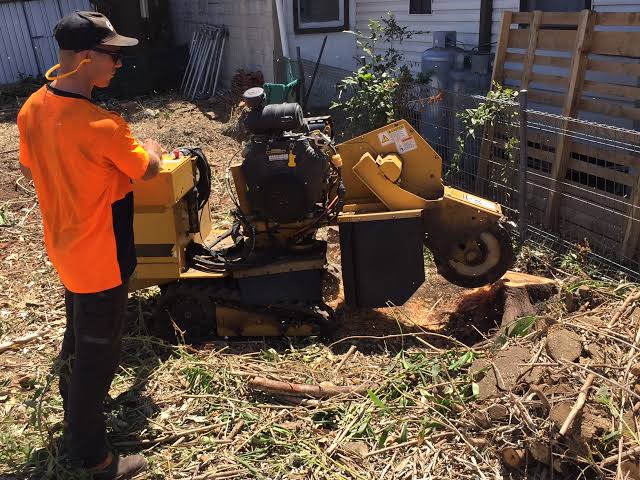
Most operators charge for arriving onsite, setting up, grinding the stump to a chosen depth, and basic clean-up of the immediate work area. If they include removal of grindings, soil backfill, or turf prep, the price usually rises.
This matters because Sydney stump grinding pricing can look cheap on the surface, then increase once inclusions are clarified.
How does stump size and diameter change the quote?
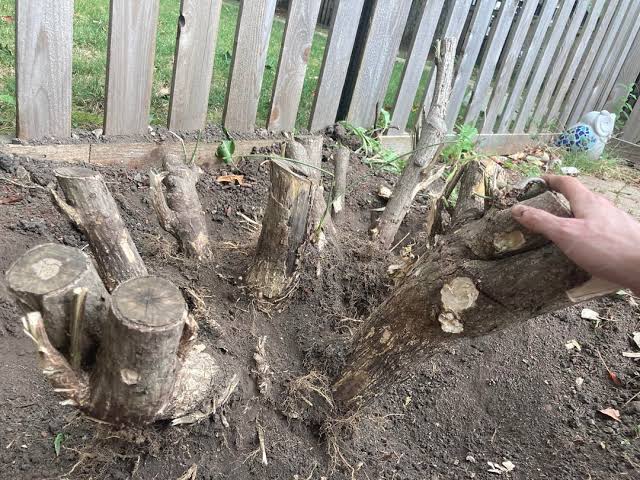
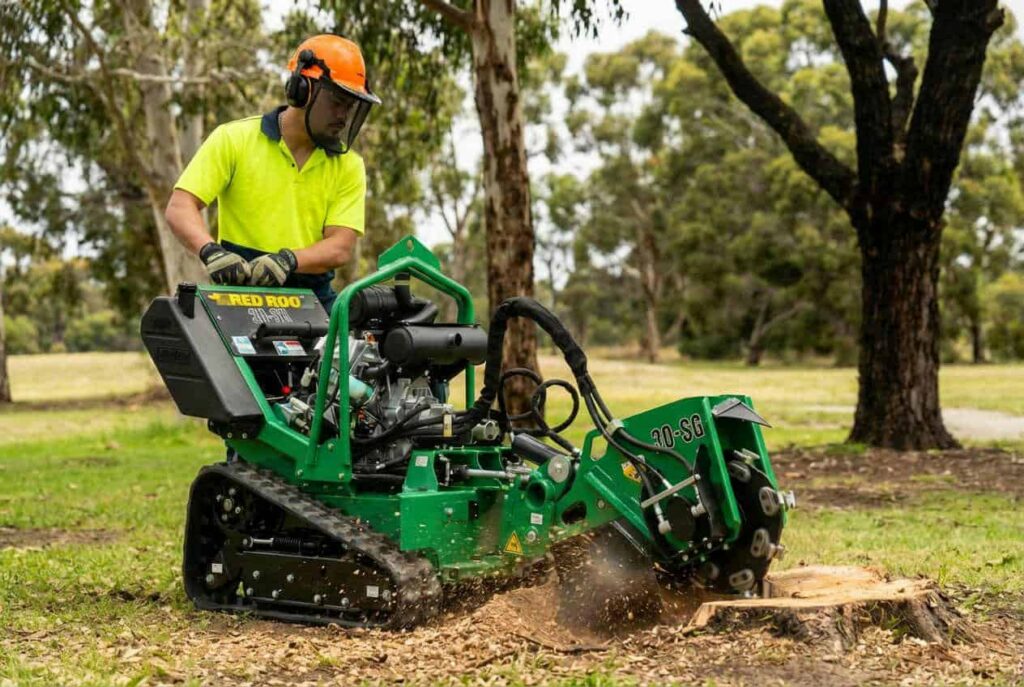
Bigger stumps take longer to grind and often require more powerful machines. Diameter at ground level is a major driver, but so is the stump’s shape, buttress roots, and whether it has multiple stems.
In practice, a wide, flared stump can take far longer than a neat round one, which is why Stump grinding Sydney pricing is often tied to measurements and time onsite.
Does stump hardness or tree species matter in Sydney?
Yes, hardwoods typically take longer and can wear teeth faster, especially if the stump is dry and dense. Many Sydney suburbs have a mix of natives and ornamentals, and some species produce tougher, more fibrous stumps.
When the stump is harder to cut, Stump grinding Sydney pricing can increase due to time, tooling wear, and machine load.
Why does access to the backyard impact stump grinding cost?
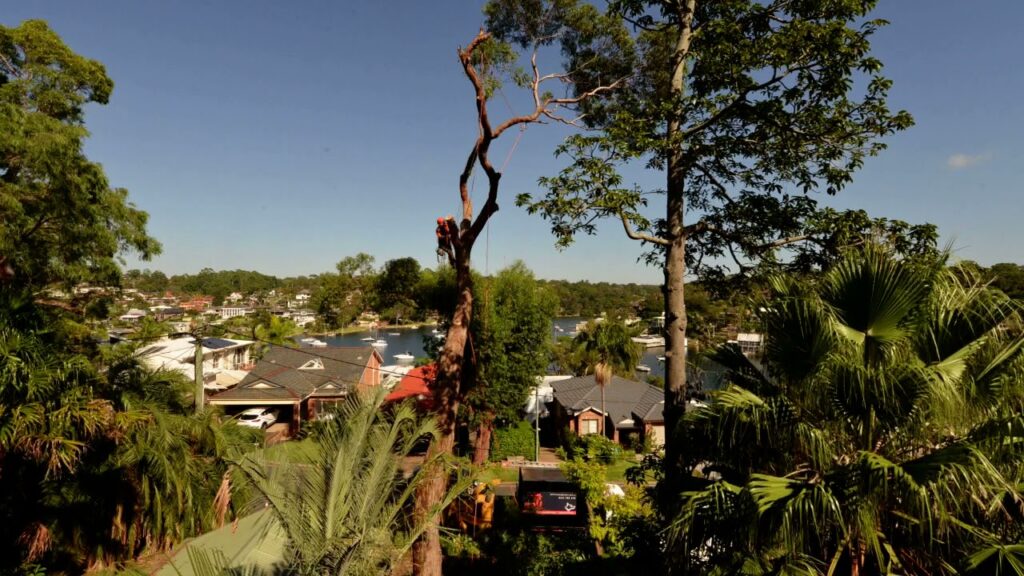
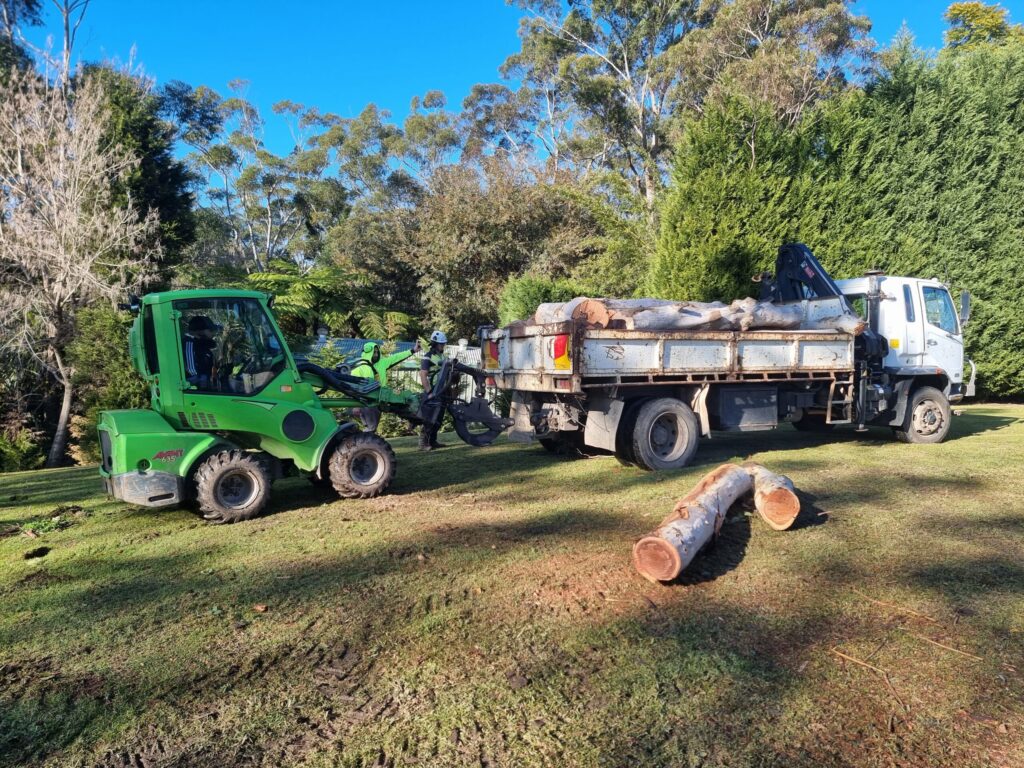
Access is one of the biggest pricing factors because it dictates what machine they can use and how long setup takes. Narrow side gates, steep steps, soft lawns, or tight terraces can force smaller equipment and slower work.
If technicians need to hand-move equipment or protect paving and landscaping, Stump grinding Sydney pricing usually reflects that extra labour.
How do roots and surface root spread influence the total price?
Some stumps are only the visible part of the job. Large surface roots can travel under lawns, garden beds, or retaining walls, and clients may want them ground back for paving or replanting.
More root grinding adds time and increases machine passes, so Stump grinding Sydney pricing often rises when root removal is included beyond the stump itself.
What role does stump location play near fences, walls, and structures?
A stump close to a fence line, brickwork, pool coping, or a shed can require slower, more careful grinding. They may need to reposition equipment repeatedly or limit grinding depth to avoid damage.
That caution is time-consuming, and it can be a key reason Stump grinding Sydney pricing varies even for stumps of similar size.
Does the required grinding depth change the cost?
Yes. Some clients only need the stump knocked below ground level to tidy the yard, while others need a deeper grind for turf, garden beds, or future concrete work. Deeper grinding means more material removed and longer run time.
If the project requires a deep grind for construction, Stump grinding Sydney pricing typically increases.
Other Resources : Trees and plants | State Library of New South Wales
How do underground services and risk checks affect pricing?
Before grinding, they may need to consider underground power, gas, water, NBN, and irrigation lines. If service plans, dial-before-you-dig checks, or cautious hand-excavation are needed, it can add to labour time.
Risk management is not optional, and safer methods can influence Stump grinding Sydney pricing in built-up Sydney blocks.
Can rocks, debris, or soil conditions increase stump grinding charges?
Yes. Stones, old concrete, nails, or buried timber can damage teeth and slow progress. Sandy soils can collapse into the cut, while clay can bind and require more clearing.
If the site is likely to blunt tooling or requires frequent stops, Stump grinding Sydney pricing can move higher than expected.
Do slope, drainage, and ground stability matter for machine setup?
Steep or uneven ground can limit machine positioning and require extra precautions. Wet lawns after rain, poor drainage, or unstable soil can make access tricky and extend setup time.
If the operator has to stabilise the machine area or work slowly for safety, Stump grinding Sydney pricing generally reflects it.
What impact does green waste removal or mulch handling have on the final bill?
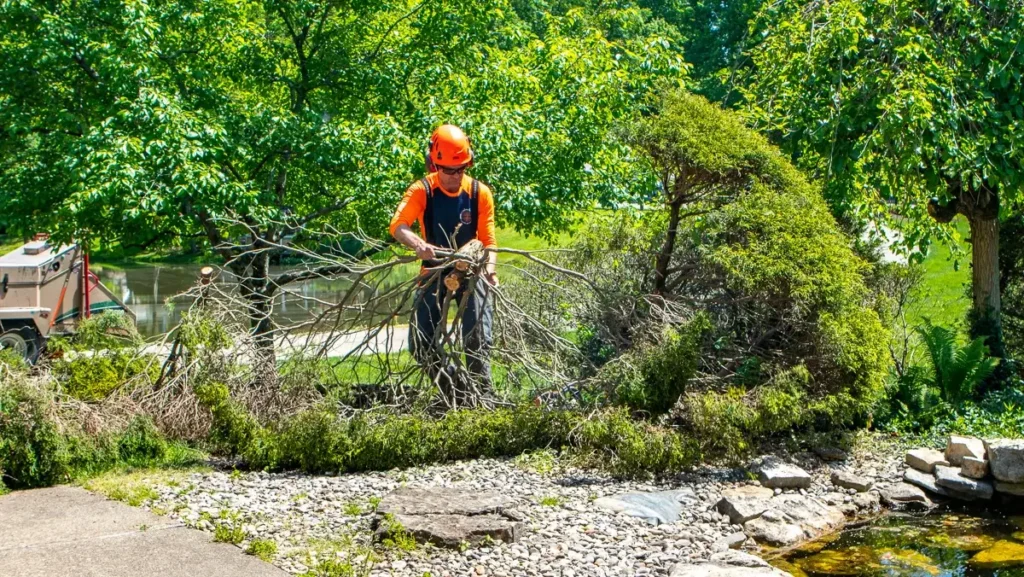
After grinding, the site is left with wood chips and soil mix. Some clients want the grindings left onsite for mulch, while others want everything removed and the area raked clean.
Removal and disposal adds labour and tip fees, so Stump grinding Sydney pricing often changes depending on whether they cart away grindings.
Does the number of stumps on the property reduce the per-stump cost?
Often, yes. If multiple stumps are on the same site, travel and setup are spread across the job, and they can work more efficiently. Many contractors provide a better per-stump rate for bulk work.
That is why Stump grinding Sydney pricing can be more favourable when they grind several stumps in one visit.
How do travel distance and Sydney suburb location affect call-out pricing?
Travel time, tolls, parking, and traffic can influence the quote, especially for smaller jobs. A contractor based in Western Sydney pricing a job on the Northern Beaches may include higher travel allowance than a local operator.
For this reason, Stump grinding Sydney pricing can vary across Sydney, even when the stump itself is similar.
Does urgency or after-hours work change stump grinding prices?
If they need to fit a job in urgently before landscaping, a property sale, or a council inspection, it may require rescheduling or weekend work. Some operators charge more for short-notice or after-hours call-outs.
When timeframes are tight, Stump grinding Sydney pricing may include a priority loading.
Are there extra costs for tight sites like townhouses and strata complexes?
Common property rules, access approvals, and noise restrictions can add complexity. In strata settings, they may need to coordinate gate access, protect shared paths, and work within approved hours.
Those constraints can increase labour time, which is why Stump grinding Sydney pricing sometimes rises for strata and townhouse sites.
Do they need insurance, licensing, or compliance paperwork, and does that affect cost?
Reputable operators in NSW carry public liability insurance and follow safe work practices. For some commercial or strata jobs, they may also provide risk assessments, SWMS, or certificates of currency.
While paperwork is not the main cost, higher compliance expectations can influence Stump grinding Sydney pricing for managed sites.
What questions should they ask to get an accurate stump grinding quote?
They should ask what is included, what depth they will grind to, and whether roots beyond the stump are part of the job. They should also confirm whether grindings are removed, whether access constraints change the machine choice, and if there are any call-out or minimum charges.
Clear questions reduce surprises and help compare quotes fairly, especially when judging Stump grinding Sydney pricing across different providers.

How can they keep stump grinding costs down without cutting corners?
They can provide clear photos, measure the stump diameter, and note access width, steps, and slope before requesting quotes. If possible, they can clear loose debris and confirm whether they are happy to keep grindings onsite as mulch.
Good prep speeds up the job and can help lower Stump grinding Sydney pricing without compromising safety or finish.
What is the simplest way to think about stump grinding pricing in Sydney?
It mainly comes down to time, access, risk, and disposal. If the stump is big, hard, hard to reach, near structures, or requires deep grinding and removal of spoil, it will generally cost more.
When they understand these drivers, Stump grinding Sydney pricing becomes far easier to predict and compare.
Related : Signs Your Garden Needs Professional Hedge Trimming Before Summer
What Does Stump Grinding Sydney Pricing Typically Depend On? Read More »