Summer in Australia is when gardens either thrive or quickly look tired. If hedges go into December already stressed, overgrown, or uneven, they often get worse fast in heat, storms, and holiday hosting season. These signs help homeowners spot when professional hedge trimming is the smart move before summer hits.
Is the hedge growing too fast to keep up with?
If new growth is running away every few weeks, the hedge is likely outpacing DIY maintenance. A pre-summer reset with professional hedge trimming keeps growth controlled and reduces the need for constant touch-ups through hot months.
Fast growth also hides problems like dead patches, poor airflow, and pests. A pro can shape the hedge to stay stable as it thickens.
Are the hedges starting to block paths, driveways, or sightlines?
If pedestrians are brushing past foliage, or a driveway view is narrowing, the hedge has become a safety and access issue. Professional hedge trimming can restore clearance quickly while keeping the hedge looking intentional, not hacked back.
This matters even more on suburban blocks where hedges sit near footpaths, fences, and letterboxes. In some areas, trimming is also needed to avoid complaints from neighbours or passers-by.
Do the hedges look uneven or lopsided from past cuts?
If the hedge is wider at the top than the bottom, or one side is thin and the other dense, past trimming may have been inconsistent. Professional hedge trimming restores symmetry and improves light access so the hedge fills out evenly.
An uneven hedge is not just cosmetic. Poor shape can lead to weak growth underneath, which becomes obvious in harsh summer light.
Is there dieback, browning, or bare wood showing inside?
If they can see brown stems, dead pockets, or bare branches behind the green outer layer, the hedge may be struggling. This often happens when the exterior is left too thick, blocking sunlight and airflow. Professional hedge trimming thins and reshapes the hedge so the inside can recover.
In Australian summers, stressed hedges can deteriorate quickly. Early intervention can prevent a full replacement later.
Are there signs of pests or disease spreading through the foliage?
Sticky leaves, curling tips, black sooty residue, webbing, or clusters of insects are red flags. A dense hedge makes it easy for pests to spread, especially as temperatures rise. Professional hedge trimming reduces density and helps treatments reach the right areas.
Common warm-season issues include scale, aphids, mites, and fungal problems encouraged by poor airflow. Trimming is often part of the fix, not just a cosmetic step.
Is the hedge touching fences, gutters, or the house?
When foliage presses into timber fences or exterior walls, it can trap moisture and cause long-term wear. If branches are climbing into gutters or eaves, summer storms can turn that into blocked drainage fast. Professional hedge trimming creates clean clearance around structures without leaving the hedge scalped.
This is especially relevant on tight Australian blocks where boundary hedges are popular for privacy. A small gap makes a big difference.
Are they planning to host over summer and want the garden to look sharp?
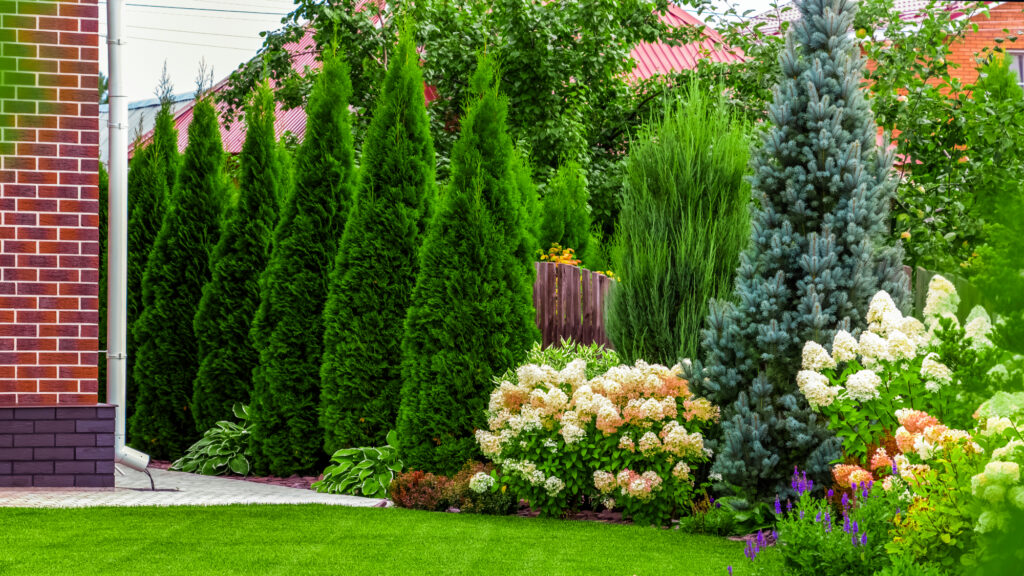
If family lunches, backyard barbeques, or holiday visitors are coming, hedges can make or break the first impression. Professional hedge trimming gives the garden a crisp outline that reads “looked after” from the street and from the patio.
It also saves time in the busiest season. Instead of fighting rapid growth in the heat, they can lock in a tidy shape beforehand.
Do they avoid trimming because it feels risky or hard to get right?
If they hesitate because they might cut too much, ruin the shape, or hit old wood that will not regrow, they are not alone. Many hedges in Australia, like Lilly Pilly, Viburnum, Murraya, and Conifers, respond differently to hard cuts. Professional hedge trimming removes guesswork and reduces the chance of permanent gaps.
This is even more important for tall hedges. Stability, ladder safety, and clean lines are difficult to manage without experience and proper equipment.
See Also : What Does Stump Grinding Sydney Pricing Typically Depend On?
Is the hedge too tall to trim safely from the ground?
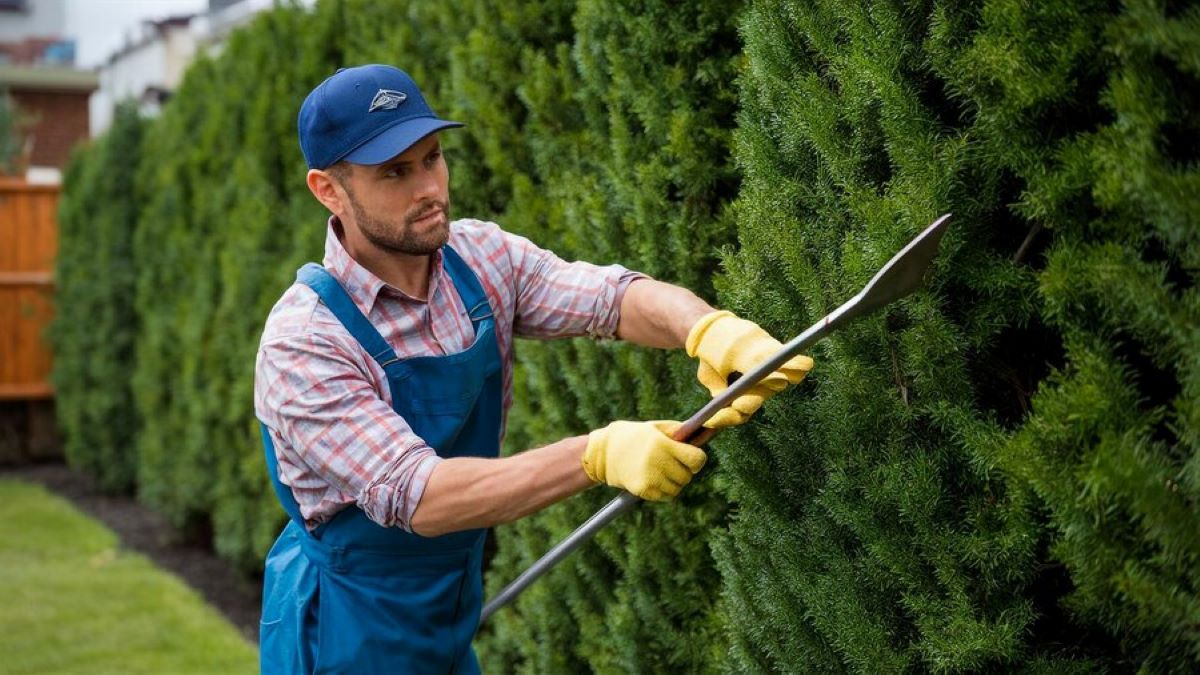
If the top is beyond comfortable reach, trimming becomes a fall risk and usually produces an uneven finish. Professional hedge trimming is the safer option for height, corners, and long boundary runs.
A tall hedge also needs the right taper so the base receives sunlight. Pros typically shape it narrower at the top and wider at the bottom, which helps it stay thick down low.
Are clippings and green waste piling up after every attempt?
If every trim creates bags of waste that sit around, it often discourages regular maintenance. They may also be dealing with council green-waste limits or a small bin that cannot handle bulky clippings. Professional hedge trimming commonly includes cleanup and removal, which makes it easier to stay on schedule.
This matters before summer when households want the yard usable, not covered in scratchy cuttings that linger for weeks.
Does the hedge look messy despite being “trimmed”?
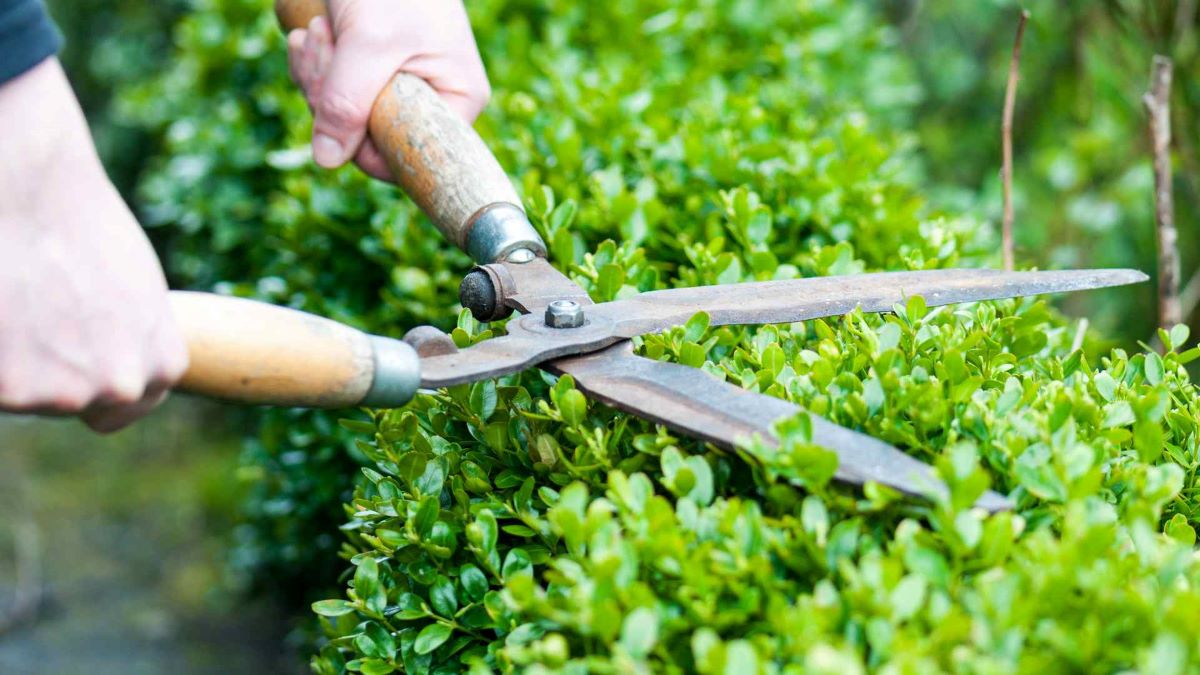
If the surface looks torn, frayed, or dotted with brown cut tips, tools may be blunt or the method may be wrong for that hedge type. A clean finish helps reduce stress and improves how the hedge handles heat. professional hedge trimming with sharp equipment creates smoother cuts and a more uniform surface.
Messy cuts can also invite disease in warm, humid conditions. A cleaner trim is often a healthier trim.
Are flowers or new growth getting out of control at the wrong time?
If they want flowers, berries, or dense screening, timing matters. Some hedges need trimming after flowering, while others cope well with regular shaping. Professional hedge trimming helps line up the cut with the plant’s growth cycle so the hedge looks great in summer without sacrificing its best features.
In many Australian gardens, hedges double as privacy screens. The wrong cut at the wrong time can reduce coverage right when it is most needed.
Is the hedge struggling in heat because it is too dense?
If the hedge looks fine in mild weather but scorches, drops leaves, or browns out in heat, density may be the problem. Over-thick hedges trap heat and restrict airflow, especially on north or west-facing boundaries. professional hedge trimming can open the structure slightly while keeping privacy.
This can also reduce water demand. A hedge with better airflow often copes better with summer stress.
Do they want a long-lasting shape rather than a quick fix?
If they are tired of trimming the same hedge repeatedly with little improvement, it may need a proper corrective shape. Professional hedge trimming can reset lines, corners, and taper so the hedge holds its form for longer.
A corrective trim is different to a “tidy up.” It is about setting a structure that makes future maintenance easier and more predictable. Check out more about What you can do on your verge.
What should they do next if they see these signs?
If they notice two or more of these issues, booking a trim before summer is usually the simplest path. Professional hedge trimming is most effective when done before extreme heat and holiday pressure, giving the hedge time to respond and the garden time to settle into a neat look.
They should choose a local Australian operator who can advise on timing, shape, and ongoing maintenance. A quick on-site look is often enough to confirm what the hedge needs and how soon it should be done.