Pest Control Sydney

termite pest control sydney

From Booking to Treatment: How a Pest Control Service Sydney Homeowners Rely On Works

This guide walks through what usually happens at each stage, so homeowners know what to expect, what to ask, and how to prepare.

What happens when homeowners first book a pest control visit?

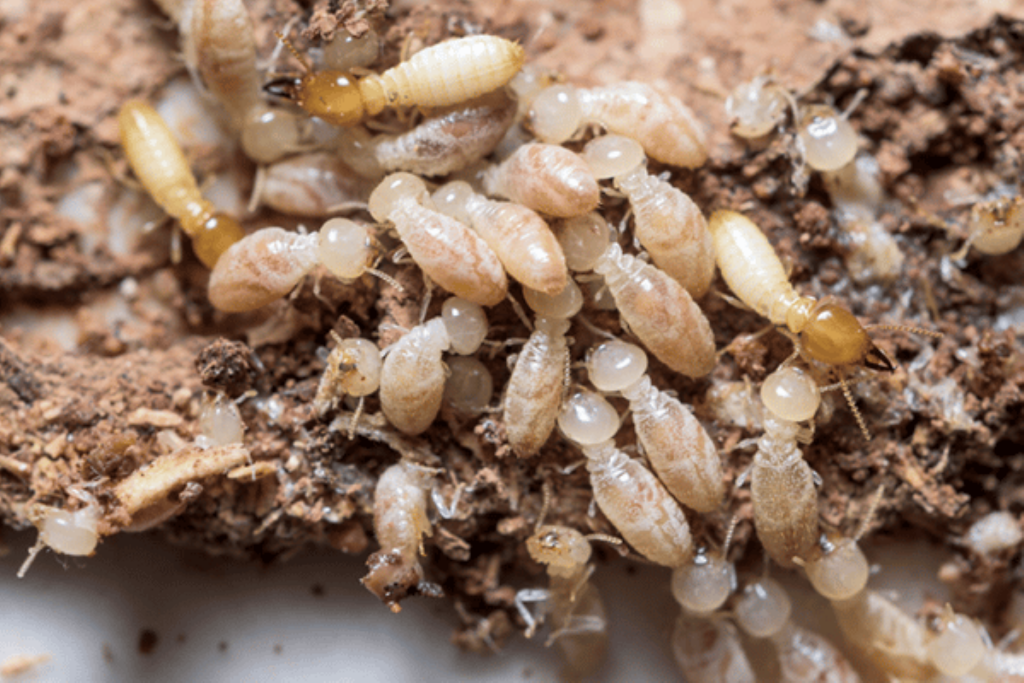
They usually start with a short call or online form where the company gathers the basics: the pest type (or suspected pest), what has been seen, where activity is happening, and how urgent the issue feels. For concerns related to termites, termite pest control Sydney specialists will also ask about signs such as mud tubes, hollow timber, or recent swarmers.

They may also ask about pets, children, allergies, and whether anyone is pregnant, so the technician providing termite pest control Sydney can plan appropriate products and methods.

After that, they provide an appointment window and explain any pre-visit steps, such as clearing under sinks, moving furniture slightly away from walls, or securing pets.

What questions do pest controllers typically ask before arriving?

They tend to ask questions that help them avoid guesswork. That includes when the issue started, whether it is getting worse, what times pests are seen, and whether any DIY treatments have been used already. They may ask for photos of droppings, damage, nests, insects, or entry points to speed up identification.

They also often ask about the property itself, such as whether it is a house, terrace, flat, or duplex, and whether there is a subfloor, roof void, garden, or adjoining walls with neighbours.

How do they inspect a home once they are on-site?

They usually begin by confirming the symptoms with the homeowner and checking the most likely hotspots. For cockroaches, that might mean kitchens, laundries, and bathrooms. For rodents, it is commonly roof spaces, garages, and wall cavities. For termites, they often focus on moisture-prone areas and timber structures, then expand outward.

A proper inspection typically includes looking for entry points, nesting sites, food and water sources, and signs of travel like rub marks, grease marks, mud tubes, droppings, or shed wings. They also consider environmental factors, like leaking taps, garden mulch against walls, or stored items that create shelter.

How do they identify the pest and choose the right treatment?

They match the pest species and behaviour to a targeted method rather than using a one-size-fits-all spray. That matters because different pests respond to different strategies. For example, baiting may be more effective than surface spraying for certain cockroach species, while exclusion work and trapping may be central for rodents.

They also factor in the property’s layout, level of infestation, access to harbourage areas, and risk profile for children and pets. From there, they explain what they recommend, what it will achieve, and what limits exist, especially when infestations are advanced or access is restricted.

What does a typical treatment actually involve?

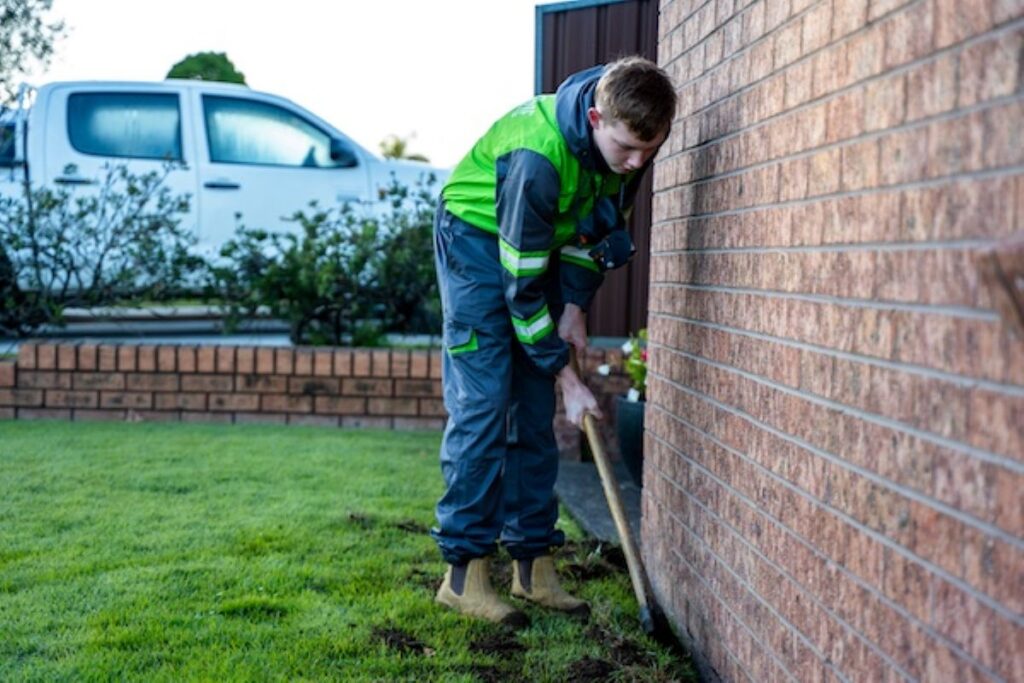
Most treatments are a combination of actions rather than a single step. They may apply targeted insecticides, place gel baits, install monitoring stations, dust voids, set traps, or use foam in hard-to-reach cavities. For ants, they may use slow-acting baits designed to reach the nest. For spiders, they often focus on web removal and perimeter treatments paired with habitat reduction.

They also usually treat the “why”, not just the “what”, by addressing entry points, moisture, clutter, and food access. In many homes, small changes like sealing gaps, storing food properly, and fixing leaks can make a major difference.

How do they manage safety for children, pets, and indoor air quality?

They typically select products and placement methods that reduce exposure, such as applying baits in cracks and crevices, using low-odour formulations, and avoiding unnecessary broad spraying in living areas. They also give clear instructions on what to keep away from treated zones, and for how long.

Homeowners are normally advised to keep pets out of the treatment area during application and to follow any re-entry time guidance. If aquariums, bird cages, or sensitive pets are present, they usually plan around them with extra precautions like covering tanks, turning off aeration briefly if required, and increasing ventilation.

What should homeowners do before and after the treatment?

Before the visit, they can speed things up by tidying the problem areas and making access easy. That often means clearing under sinks, removing items from the backs of cupboards, and moving bins so technicians can inspect and treat properly. For fleas or rodents, they may advise extra preparation, such as vacuuming thoroughly or removing pet bedding for washing.

After treatment, they usually recommend avoiding deep cleaning in treated zones for a set period so products can keep working. They may also advise ongoing hygiene steps, sealing cracks, reducing clutter, trimming vegetation away from the house, and storing food in sealed containers. You may like to visit https://ncc.abcb.gov.au/editions/ncc-2022/adopted/housing-provisions/3-site-preparation/part-34-termite-risk-management to learn more about termite risk management.

How do they handle follow-ups, warranties, and ongoing prevention?

They often provide a written report or service summary explaining what was found, what was done, and what to monitor next. Many services include a follow-up window or warranty period for certain pests, where they will return if activity persists. Homeowners should check what is covered, what conditions apply, and whether ongoing issues can be linked to access limitations or reinfestation from neighbouring properties.

For high-risk pests or recurring problems, they may recommend a scheduled maintenance plan. That typically focuses on monitoring and prevention, such as routine inspections, seasonal treatments, and targeted bait station checks.
termite pest control sydney

What results should homeowners realistically expect, and how soon?

They often see improvement quickly, but timing depends on the pest and method used. Some pests, like cockroaches treated with baits, can appear more active initially as they contact the product and move within harbourage areas. Rodent control can also take time if there are multiple entry points or a steady food source nearby.

A reliable service sets expectations clearly: what “normal” post-treatment activity looks like, what signs suggest success, and when a return visit is appropriate. When homeowners follow preparation and aftercare guidance, results are usually faster and longer-lasting.

Related : Pest Control Termite Treatment: How Long Does It Really Last?

FAQs (Frequently Asked Questions)

What should I expect when I first book a pest control service in Sydney?

When you first book a pest control visit, the company will typically start with a short call or online form to gather basic information such as the type of pest, location of activity, urgency, and household details like pets or allergies. They will then provide an appointment window and advise on any pre-visit preparations like clearing areas or securing pets.

What information do pest controllers usually ask for before arriving at my home?

Pest controllers often ask about when the issue started, whether it’s worsening, times pests are seen, and any DIY treatments used. They may request photos of droppings or damage to aid identification and inquire about your property type and features like gardens or adjoining walls to tailor their approach.

How is my home inspected during a pest control visit?

Technicians confirm symptoms with you and inspect likely hotspots depending on the pest—kitchens for cockroaches, roof spaces for rodents, moisture-prone timber areas for termites. They look for entry points, nesting sites, food/water sources, signs like droppings or mud tubes, and environmental factors contributing to infestations.

How do professionals identify pests and decide on the most effective treatment?

Pest controllers match the specific pest species and behaviour to targeted methods rather than generic sprays. They consider infestation level, property layout, access to harbourage areas, and safety risks to children or pets before recommending tailored treatments such as baiting, trapping, exclusion work, or insecticides.

What safety measures are taken regarding children, pets, and indoor air quality during treatments?

Products and application methods are chosen to minimise exposure—using baits in cracks rather than broad sprays—and clear instructions are provided on keeping away from treated zones. Extra precautions are taken around sensitive pets or aquariums by covering tanks and enhancing ventilation to maintain indoor air quality.

What follow-up care should I expect after pest treatment?

After treatment, you should avoid deep cleaning treated areas for a set time to allow products to work effectively. Pest control services often include follow-up visits or warranties if pests persist. Ongoing prevention advice includes sealing gaps, reducing clutter, trimming vegetation away from your home, and storing food securely to maintain long-term results.

From Booking to Treatment: How a Pest Control Service Sydney Homeowners Rely On Works Read More »
Pest Control Termite Treatment

Pest Control Termite Treatment: How Long Does It Really Last?

What matters most is this: a good treatment should stop the current colony and reduce the chance of re-infestation, but ongoing monitoring is what keeps protection in place.

How long does termite treatment last in real homes?

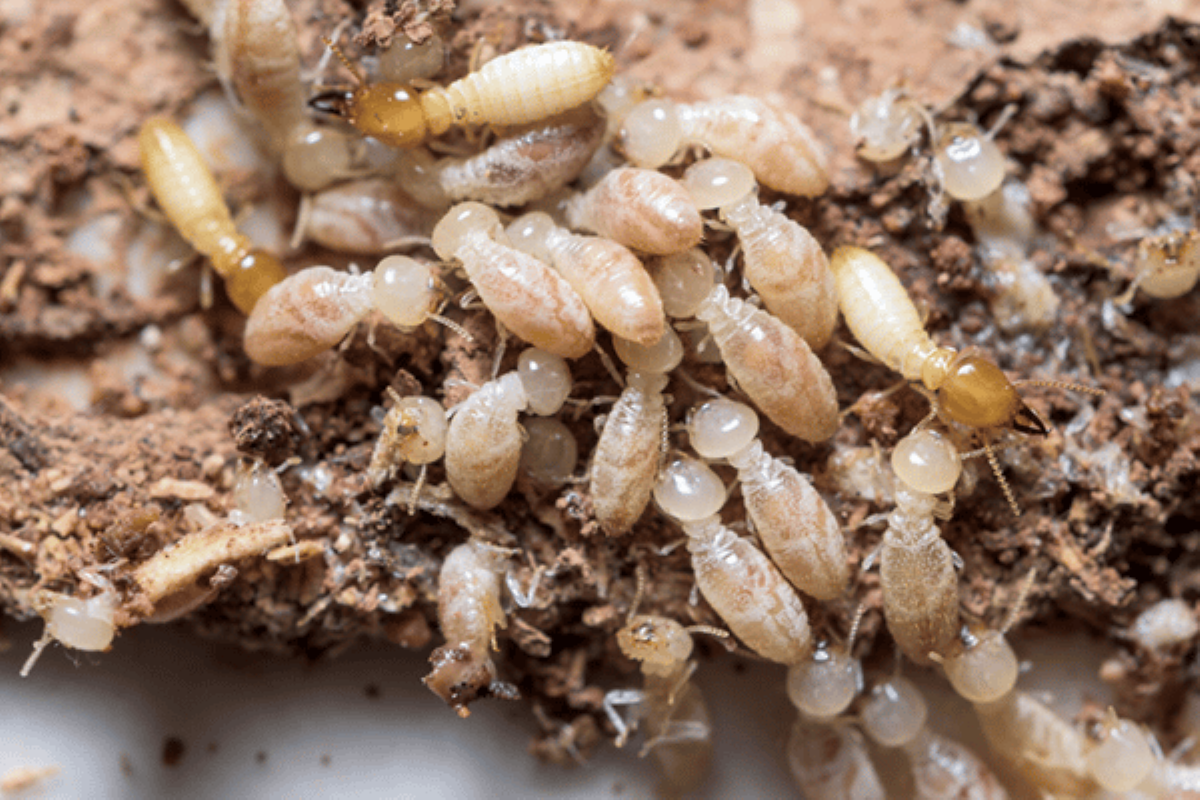
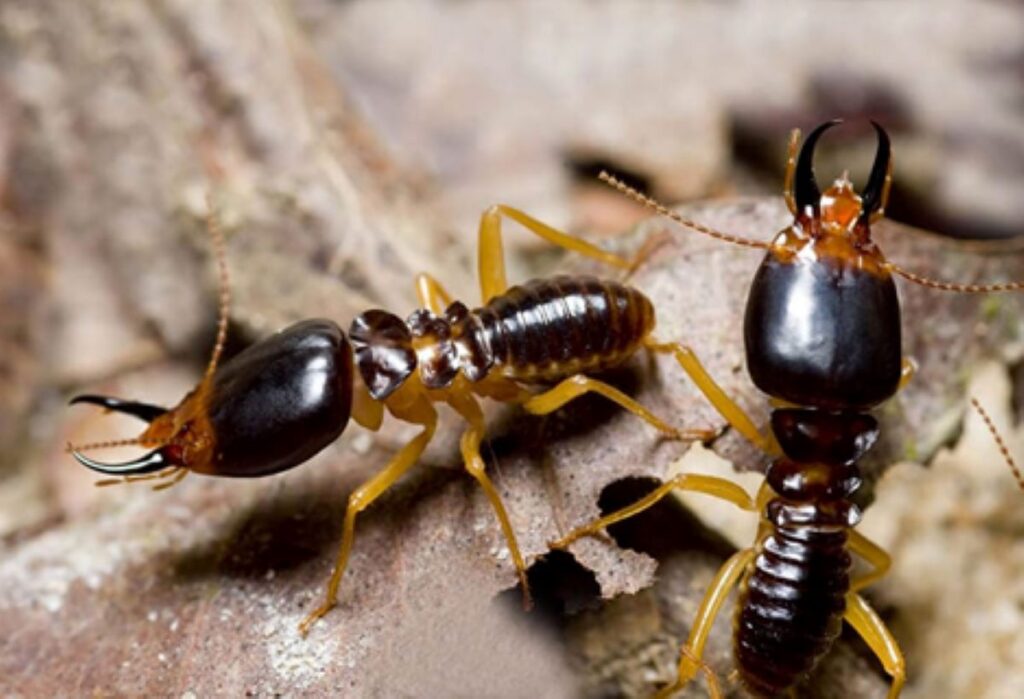
Most professional pest control termite treatment solutions last anywhere from 1 to 10+ years, depending on the approach. Some methods are designed as long-term barriers, while others work as an ongoing elimination and monitoring system.

A homeowner should not judge the success of a pest control termite treatment only by “no visible termites.” They should also judge it by whether the treatment is still intact, regularly inspected, and supported by a clear warranty or service plan.

Which termite treatment type lasts the longest?

In many cases, a professionally applied chemical soil barrier can offer the longest single “set-and-protect” window. Baiting systems can also provide long-term protection, but only if they are continuously serviced and replenished.

The longest-lasting option is usually the one that matches the property. A method that is ideal for one home can be less durable for another because of drainage, landscaping, or building design.

How long do liquid soil (chemical barrier) treatments last?

A high-quality soil treatment commonly lasts 5 to 10 years, sometimes longer under ideal conditions. Its durability depends heavily on whether the treated soil stays undisturbed around the foundation.

Any digging, major landscaping, new paving, or plumbing work can break the barrier. If the barrier is compromised, termites may find an untreated gap and re-enter without needing to “defeat” the chemical.

How long do termite bait stations last?

Bait stations can protect a property for as long as they are maintained, because the system is designed to be inspected and refreshed. The bait itself is not a permanent “one-time” product, so the protection is tied to regular service visits.

They work well where a continuous soil barrier is difficult, but they require patience. A baiting strategy may take longer to eliminate a colony than some liquid applications, especially in high-pressure areas.

How long do wood treatments and foams last?

Wood treatments, foams, and dusts can last months to several years, depending on the product and where it is applied. They are often used for targeted activity in timber or wall voids rather than whole-property prevention.

They can be excellent for localised control, but they are not always a substitute for treating the ground around the building. If termites remain active in the soil, they can simply attack a different entry point.

What factors shorten the life of termite treatment?

The most common reasons treatments fail early are moisture issues, soil disturbance, and untreated access points. Termites thrive where there is consistent dampness, leaking pipes, poor drainage, or timber-to-soil contact.

Even a strong treatment can be undermined if the property has hidden conditions that keep inviting termites back. That is why many professionals focus as much on “conducive conditions” as on chemicals.

Does the climate and soil type change how long treatment lasts?

Yes, climate and soil can significantly affect longevity. Heavy rainfall, flooding, very sandy soils, and areas with frequent ground movement can reduce how long a barrier remains consistent.

Local termite pressure also matters. In regions with aggressive, high-density termite populations, a property may need tighter inspection intervals and faster follow-up if any weakness appears.

How can someone tell if a treatment is still working?

They cannot reliably tell just by looking, because termites often stay hidden until damage is advanced. The most dependable way is through scheduled inspections and, where relevant, bait station checks or monitoring devices.

If termite mud tubes reappear, winged swarmers are found indoors, or new timber damage is noticed, they should treat it as urgent. It might not mean the entire treatment has failed, but it does mean something needs attention quickly.

How often should a property be inspected after termite treatment?

Most properties benefit from an inspection at least once a year, and sometimes more often in high-risk locations. Inspections help confirm the barrier has not been disturbed and that moisture conditions have not changed.

If a property has a history of termites, ongoing renovation work, or persistent damp issues, more frequent inspections can prevent expensive surprises.

Do warranties mean the treatment will last that long?

A warranty usually means the company will re-treat or repair under certain conditions, not that termites are impossible during the warranty period. It is a service promise with rules, not a guarantee of zero termite activity.

They should read the terms closely. Some warranties require annual inspections, proof of maintenance, or exclusions for building changes and water leaks.

What can homeowners do to make termite treatment last longer?

They can extend protection by removing the conditions termites love. Simple changes such as fixing leaks, improving drainage, keeping subfloors ventilated, and ensuring timber does not touch soil can make a major difference.

They should also avoid disturbing treated soil near the foundation. If work is required, it is worth asking the pest controller how to protect or re-establish the treated zone afterwards. Click here to learn more about termite control.

Pest Control Termite Treatment

When should termite treatment be repeated?

Treatment should be repeated when inspections show the barrier has been disrupted, bait stations need continued servicing, or new activity is detected. It may also be recommended after major plumbing or landscaping projects that affect the perimeter soil.

The safest approach is not guessing by time alone. They should base the decision on inspection findings, local termite risk, and whether the original protection method is still intact.

What is the realistic takeaway on how long termite treatment lasts?

Termite treatment can last years, but only if it suits the property and it is supported by inspections and upkeep. Chemical barriers often provide longer “set” protection, while baiting provides long-term coverage through ongoing monitoring.

If they want the most realistic answer for a specific home, they should ask for the treatment type, expected lifespan in local conditions, inspection frequency, and what actions could void or weaken the protection. That clarity is what turns a treatment into lasting prevention.

More to Read : Pest Control Service Sydney: What Happens After You Book

FAQs (Frequently Asked Questions)

How long does termite treatment typically last in residential properties?

Most professional termite treatments last between 1 to 10+ years, depending on the method used. The longevity varies with treatment type, soil conditions, moisture levels, construction features, and termite activity in the area. Regular maintenance and inspections are essential to sustain protection.

Which termite treatment method offers the longest-lasting protection?

A professionally applied chemical soil barrier often provides the longest single ‘set-and-protect’ period, typically lasting 5 to 10 years under ideal conditions. Baiting systems can also offer long-term protection but require continuous servicing and replenishment to remain effective.

What factors can reduce the effectiveness and lifespan of termite treatments?

Common factors that shorten termite treatment life include moisture problems (like leaking pipes or poor drainage), soil disturbance (from landscaping or construction), and untreated access points. These conditions create conducive environments for termites, undermining even strong treatments.

How important are inspections in maintaining termite treatment effectiveness?

Scheduled inspections, usually at least once a year, are crucial to confirm that the treatment barrier remains intact and that environmental conditions have not changed. Inspections help detect early signs of termite activity such as mud tubes or timber damage, enabling timely intervention to maintain protection.

Does a warranty guarantee that termite treatment will prevent infestations during its term?

No, a warranty generally means the pest control company will re-treat or repair under specified conditions but does not guarantee zero termite activity. Warranties often require annual inspections and proper maintenance; homeowners should carefully read terms to understand coverage and obligations.

What steps can homeowners take to extend the life of termite treatments?

Homeowners can prolong treatment effectiveness by eliminating conducive conditions: fixing leaks, improving drainage, ensuring good subfloor ventilation, preventing timber-to-soil contact, and avoiding disturbance of treated soil near foundations. Consulting pest professionals before landscaping or plumbing work helps protect the treated zone.

Pest Control Termite Treatment: How Long Does It Really Last? Read More »

Scroll to Top