The Central Coast is a strange and wonderful mix: coastal dune vegetation, estuarine wetland, tall wet forest on the escarpment, and a fast-growing residential belt threaded through all of it. Roughly a third of the region is national park or reserve, and a very large number of homes back directly onto bushland.
That means tree removal Central Coast work spans everything from a single palm in a Terrigal courtyard to hazard reduction on a bushfire-exposed acreage at Kulnura.
Areas Covered
Gosford, Erina, Terrigal, Avoca Beach, Kincumber, Green Point, Woy Woy, Umina Beach, Ettalong, Empire Bay, Saratoga, Wyoming, Narara, Niagara Park, Ourimbah, Tuggerah, Wyong, The Entrance, Long Jetty, Bateau Bay, Berkeley Vale, Toukley, Budgewoi, Lake Munmorah, Somersby and Kulnura.
What Makes the Central Coast Different
Coastal exposure
Salt-laden onshore wind stresses trees, causes crown dieback on the exposed side, and accelerates decline in non-adapted species. Coastal properties see more storm failures than inland ones. Sandy and saturated soils
Dune sand around Umina, Ettalong and the Entrance offers poor root anchorage. Low-lying areas around Tuggerah Lakes have high water tables that limit rooting depth. Both increase windthrow risk.
Bushland interface
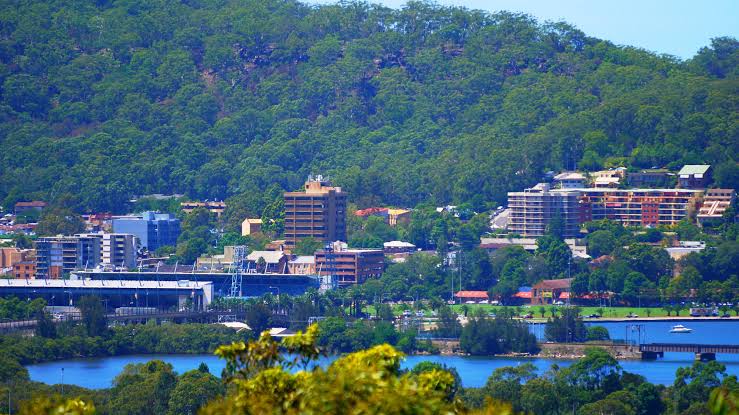
Huge numbers of properties adjoin reserves and national park. This drives both bushfire hazard work and stricter environmental controls.
Storm frequency
East coast lows hit the Central Coast hard. Post-storm demand for tree removal central coast services crews routinely outstrips supply for a week or more.
Distance
The LGA is geographically large. Travel time between Kulnura and Umina is significant, and crews often price a mobilisation component.
Common Trees and Their Problems
Spotted gum and blackbutt
Dominant tall forest species through the escarpment and hinterland. Straight, heavy, high canopies. Superb timber, expensive to remove.
Angophora and scribbly gum
Sandstone country trees. Prone to limb drop in heat.
Swamp mahogany and paperbark
Wetland species around the lakes. Often protected as habitat, particularly swamp mahogany, which is a critical winter food source for grey-headed flying foxes and swift parrots.
Norfolk Island pine and Cook pine
Iconic on the coastal strip, and increasingly the subject of removal requests as they outgrow small blocks.
Cocos palm
Widespread, weedy, heavy seed drop. Frequently exempt or easily approved.
Camphor laurel and privet
Environmental weeds throughout the hinterland gullies.
Radiata pine
Shallow-rooted, top-heavy, and the species most likely to come down in a southerly. A recurring driver of tree removal Central Coast callouts.
Council Approval
Trees on private land are protected under Chapter 2 of the State Environmental Planning Policy (Biodiversity and Conservation) 2021, administered by Central Coast Council through its Development Control Plan and tree management provisions. Check the NSW RFS 10/50 entitlement tool where bushfire rules may apply.
Generally, you need consent to remove a non-exempt tree or to prune more than a set proportion of its canopy. Exemptions commonly cover trees under a specified height, listed exempt and weed species, dead trees, and works needed to address an imminent risk.
Additional scrutiny applies where trees form part of an endangered ecological community, provide habitat for threatened fauna, sit within a coastal management area or riparian corridor, or occur on land with biodiversity values mapped under the Biodiversity Values Map.
Applications typically require photographs, a site plan and, for contested cases, a qualified arborist report. Any contractor doing regular tree removal Central Coast work should confirm the pathway before quoting.
10/50 in bushfire prone areas
Many Central Coast properties adjoining bushland fall within a 10/50 Vegetation Clearing Entitlement Area, allowing removal of trees within 10 metres of a home and clearing of underlying shrubs within 50 metres, without approval. Verify on the NSW RFS online tool on the day you intend to clear, and follow the Code of Practice. You may only clear your own land.
Storm Damage and Emergency Work
After a significant east coast low, the sequence matters:
- Keep clear of any tree touching power lines and call the network provider.
- Call the SES on 132 500 for a tree on a house or blocking a road.
- Photograph everything before anything is moved.
- Notify your insurer before authorising major works.
- Get a make-safe done immediately; full clean-up can wait.
Expect queues. Emergency rates typically run 1.5 to 2.5 times standard, and door-knocking unlicensed operators appear within hours of any big storm. Ask for a certificate of currency before anyone starts.
What It Costs
Indicative 2026 pricing:
- Small tree under 5m: $400 – $850
- Medium tree 5-10m: $850 – $1,900
- Large spotted gum or blackbutt 15-25m: $2,200 – $6,000
- Large tree rigged over a dwelling: $4,000 – $10,000
- Norfolk Island pine removal: $1,500 – $5,000
- Cocos palm: $250 – $700 each
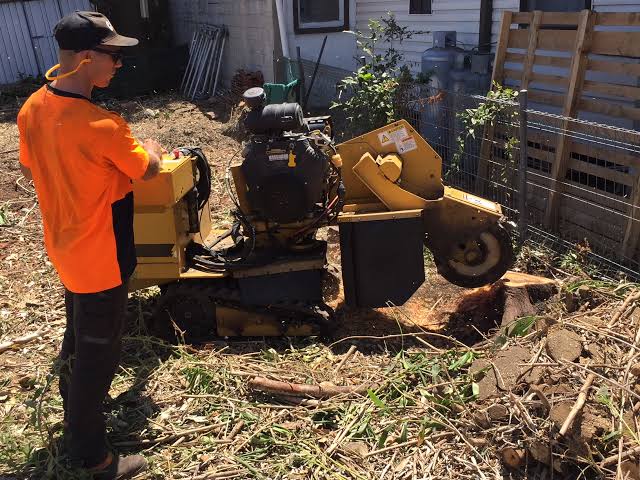
- Stump grinding: $130 – $850
- Bushfire hazard reduction / APZ clearing: $2,000 – $10,000 per acre
- Travel surcharge for outlying areas: $100 – $300
Tree removal Central Coast pricing generally sits slightly below Sydney metro rates, offset by travel costs on the fringes of the LGA.
Protecting Habitat While Managing Risk
This is the balance that matters here. Hollow-bearing trees are irreplaceable habitat: it takes a eucalypt 80 to 150 years to develop usable hollows, and dozens of Central Coast species depend on them. Research from the Australian university urban-vegetation project supports treating canopy and habitat as assets, not waste.
Alternatives worth discussing with your arborist before removal:
- Habitat pole retention. Reduce a hazardous tree to a safe standing stem rather than removing it entirely.
- Crown reduction and deadwooding instead of full removal.
- Cabling and bracing for weak unions on otherwise sound trees.
- Nest box installation as a condition where hollow-bearing trees must go.
- Targeted removal of only the failing stem in a multi-stemmed tree.
Councils increasingly favour these outcomes and may condition consent accordingly.