

Funerals in Australia come with a quiet set of social expectations, and flowers often sit right in the middle of them. When someone dies, people want to show care quickly, but they do not always know what is appropriate, or who “should” send what.
This guide explains who usually organises funeral flowers delivery, who often does not, and the practical reasons behind both. It also helps readers choose a respectful option without adding stress to the family.
Who usually sends funeral flowers?
Most often, flowers come from close family, close friends, neighbours, workplaces, community groups, and religious communities. They send them to express sympathy, support the immediate family, and honour the person who has died.
In Australia, people also send flowers when they cannot attend the service in person, especially if travel between states is difficult. In those cases, funeral flowers delivery becomes a stand-in for presence.
Who typically arranges the main floral tributes?
The immediate family or the funeral director usually arranges the main tributes, such as a casket spray, coffin spray, or large featured arrangements. This is done to match the tone of the service and avoid duplication.
Many funeral homes in Sydney, Melbourne, Brisbane, Perth, Adelaide, Hobart, Canberra, and regional centres will coordinate timing and placement. Families often choose funeral flowers delivery that arrives directly at the chapel or funeral home at a set time.

Do extended family members usually send flowers?
Extended family often do, but it depends on closeness, culture, and budget. Cousins, aunts, uncles, and in-laws may send a medium arrangement or a wreath, especially when they knew the person well.
If the immediate family has requested “no flowers”, extended family generally follow that request and choose a donation or condolence message instead. When they do send them, they typically arrange funeral flowers delivery early to avoid last-minute issues.
Do friends and neighbours commonly send funeral flowers?
Yes, friends and neighbours are among the most common senders, particularly if they were part of the person’s everyday life. They may send a simple bouquet, a posy, or a small arrangement suitable for a service.
Neighbours also send flowers to show support to the household, even if they did not know the deceased deeply. For many, funeral flowers delivery is a practical way to help without needing the “right words”.
Do workplaces and colleagues usually send flowers?
Workplaces frequently send a shared arrangement, funded by a collection. It is common when the deceased was an employee, a client, or a close colleague, or when a team wants to support a grieving staff member.
These tributes are usually signed from a department or company name, rather than individuals. They often rely on coordinated funeral flowers delivery so the arrangement arrives during business hours and before the service begins.
Do clubs, schools, and community groups send funeral flowers?
They often do, especially in regional towns and tight-knit suburbs where community ties are strong. Sporting clubs, RSL sub-branches, volunteer brigades, schools, and faith groups may send a wreath or arrangement on behalf of members.
This is also common when the deceased gave long service to a group. In these cases, funeral flowers delivery is typically arranged by an organiser and paid through group funds or donations.
Who usually does not send funeral flowers, even if they care?
Some people do not send flowers simply because they are unsure what is appropriate, worried about causing offence, or uncertain about the family’s preferences. Others may feel their relationship was not close enough, even if they are genuinely saddened.
Cost is another factor, particularly during a time when they may also be travelling, taking leave, or supporting their own household. When they do not choose funeral flowers delivery, they may express sympathy in other ways, like food, childcare, or a card.
Why do some families request “no flowers”?
Families may request “no flowers” due to personal preference, cultural practice, allergies at the venue, or because the deceased disliked flowers. Some prefer mourners to donate to a charity, medical research foundation, or a cause that mattered to the deceased.
Space also matters, especially at smaller chapels, suburban funeral homes, or crematorium services with limited display areas. In those situations, families often discourage funeral flowers delivery to reduce logistics and stress.
When is it inappropriate to send flowers?
It can be inappropriate when the family has clearly requested no flowers, when there is a strong cultural or religious preference against them, or when the funeral notice asks for donations only. It can also be unhelpful to send large arrangements to a private home with limited space.
If there is any doubt, people can check the funeral notice, ask a close family contact, or send a condolence message first. Respecting the family’s guidance matters more than arranging funeral flowers delivery.
Do cultural and religious traditions in Australia affect who sends flowers?
Yes, and Australia’s mix of traditions means there is no single rule. Some families welcome flowers as a central symbol, while others prefer simpler gestures.
For example, some Orthodox Christian families may have specific expectations about wreaths or tributes, while some Islamic funerals may favour charitable giving over flowers. In many Asian Australian communities, white flowers are common, and colour choices carry meaning. When arranging funeral flowers delivery, people often choose neutral palettes unless they know the family’s preferences.
Should people send flowers to the service or to the family home?
For most funerals, sending to the service is easiest because the funeral director can place them respectfully. It also prevents the family from needing to manage deliveries while grieving.
Sending to the home can be thoughtful, especially after the funeral, but it should be smaller and practical. If they choose home delivery, people often arrange funeral flowers delivery for the day after the service, when the household is less overwhelmed.
What types of arrangements do different senders usually choose?
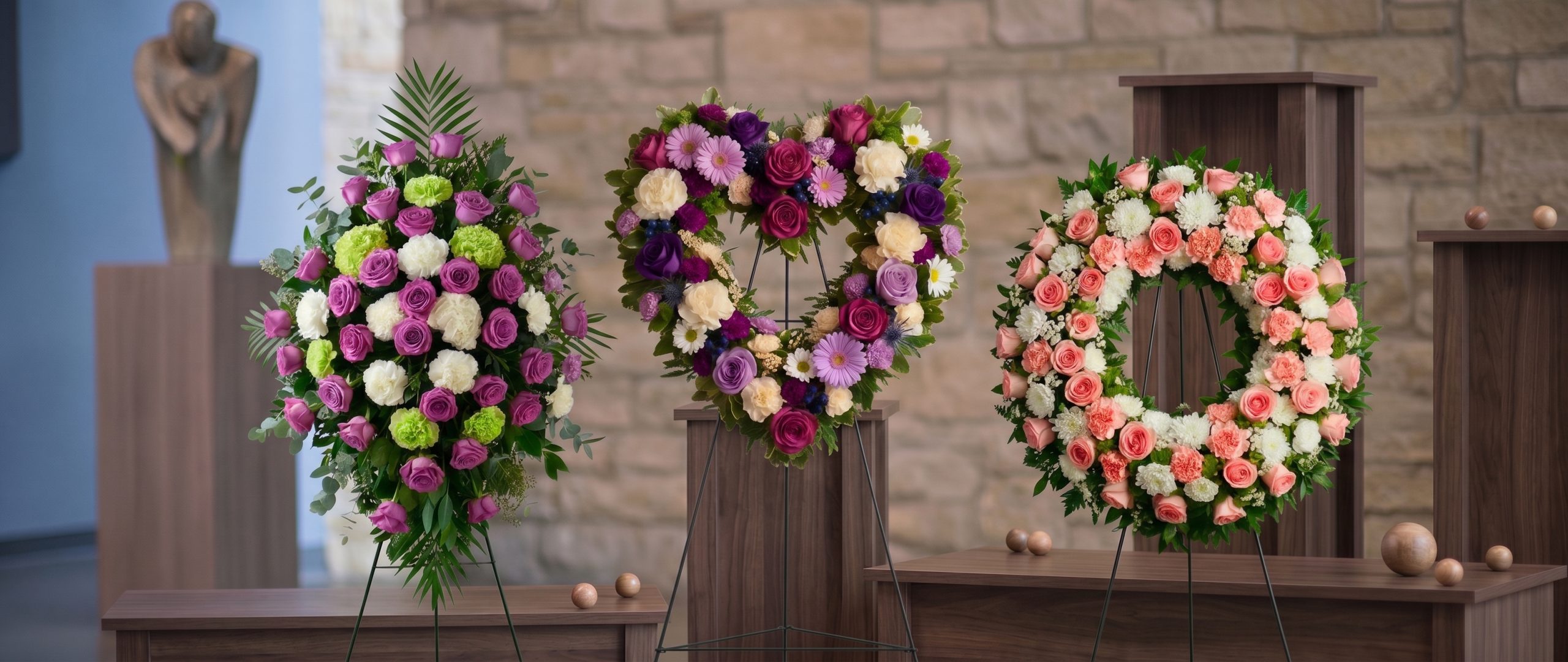
Immediate family commonly choose the main tribute, such as a coffin spray. Close friends may choose a wreath, a sheaf, or a larger arrangement, while colleagues and community groups often choose a formal wreath with a ribbon message.
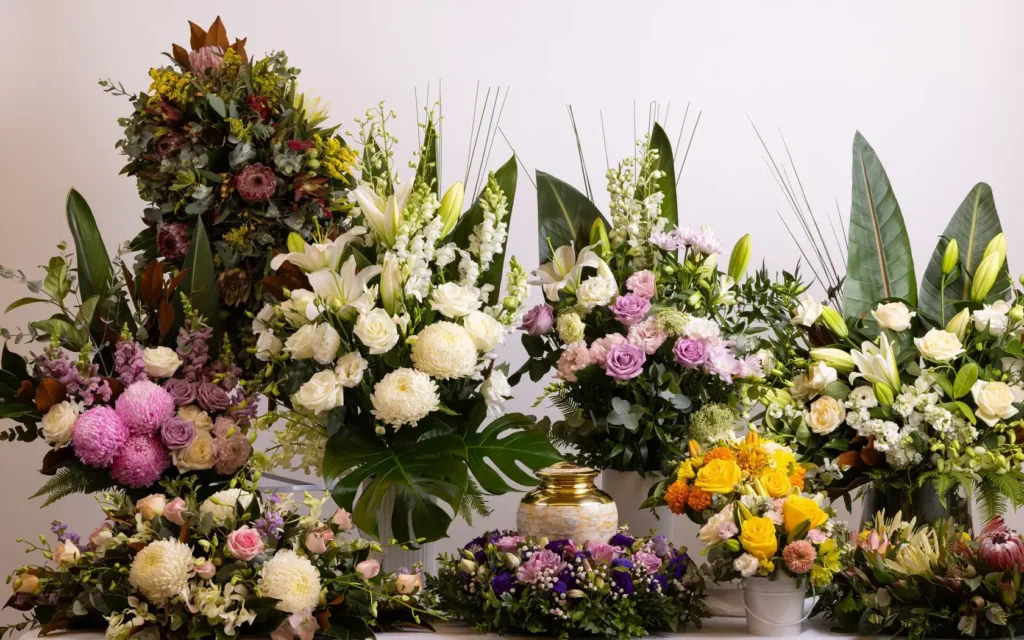
More distant acquaintances tend to send smaller, tasteful arrangements. In Australia, native flowers are a popular choice, particularly for people who loved the outdoors. Many florists offering funeral flowers delivery will recommend size and style based on relationship and venue.
What should be written on the card?
Most messages are short, sincere, and focused on sympathy rather than explanation. Common Australian phrasing includes “With deepest sympathy”, “Thinking of you all”, or “In loving memory”.
If the sender knew the deceased well, a brief personal line can be appropriate, but it should stay respectful and simple. When ordering funeral flowers delivery, they can keep the card message under 20 words to avoid errors and keep it easy for the family to read.
What if someone cannot afford funeral flowers?
They can still acknowledge the loss with a card, a call, a message, or by attending the service if possible. Small actions often mean more than expensive gestures, especially to a grieving family.
They can also contribute to a group arrangement organised by a workplace or community group. If cost is the barrier, it is better to send a heartfelt message than to stretch finances for funeral flowers delivery.
How can someone avoid sending duplicate or unnecessary flowers?
They can ask if a group gift is already being arranged, especially in workplaces or clubs. They can also check the funeral notice for guidance on preferences, colours, and delivery details.
If they are close to the family, a quick check in with a sibling or close friend can help. Many florists also manage timing and venue notes for funeral flowers delivery, which reduces mistakes like late arrivals or wrong locations.
What is the simplest etiquette rule to follow?
They should follow the family’s wishes first, then choose something that matches their relationship and budget. If the notice says “no flowers”, they should not send them, even with good intentions.
If flowers are welcome, they should keep the arrangement tasteful, the message brief, and organise the delivery to arrive before the service. Done thoughtfully, funeral flowers delivery is less about tradition and more about showing care without adding burden.
FAQs (Frequently Asked Questions)
Who usually sends funeral flowers in Australia?
In Australia, funeral flowers are most often sent by close family, close friends, neighbours, workplaces, community groups, and religious communities. They use flowers to express sympathy, support the immediate family, and honour the deceased. When people cannot attend the service in person, especially across states, funeral flowers delivery serves as a meaningful stand-in for presence.
Who typically arranges the main floral tributes at a funeral?
The immediate family or the funeral director usually arranges the main floral tributes such as casket sprays or large featured arrangements. This coordination ensures the tone of the service is matched and avoids duplication. Many funeral homes across Australian cities coordinate timing and placement of these tributes, often organising funeral flowers delivery directly to the chapel or funeral home at a set time.
Do extended family members commonly send funeral flowers?
Extended family members like cousins, aunts, uncles, and in-laws often send medium arrangements or wreaths if they knew the deceased well. However, this depends on closeness, cultural customs, and budget. If the immediate family has requested ‘no flowers,’ extended family typically respect that request by choosing donations or condolence messages instead. When sending flowers, they usually arrange funeral flowers delivery early to avoid last-minute issues.
Are workplaces and colleagues expected to send funeral flowers?
Yes, workplaces frequently send shared floral arrangements funded by collections when an employee, client, or close colleague passes away. These tributes are generally signed from a department or company rather than individuals. Coordinated funeral flowers delivery during business hours ensures the arrangement arrives before the service begins.
Why do some families request ‘no flowers’ at funerals?
Families may request ‘no flowers’ due to personal preference, cultural practices, allergies at the venue, or because the deceased disliked flowers. Some prefer mourners donate to charities or causes important to the deceased. Limited space at smaller chapels or crematoriums can also lead families to discourage funeral flowers delivery to reduce logistical stress.
When is it inappropriate to send funeral flowers in Australia?
It is inappropriate to send funeral flowers when the family has clearly requested no flowers, when cultural or religious traditions advise against them, or when funeral notices ask for donations only. Sending large arrangements to private homes with limited space can also be unhelpful. In cases of doubt, checking the funeral notice or consulting a close family contact is recommended; respecting the family’s wishes takes precedence over arranging funeral flowers delivery.

