Every Sydney backyard eventually reaches the same point. A deceased estate garden that has not been touched in five years. A spring clean-up that produced a pile the size of a car. A hedge reduction that filled the green bin in the first ten minutes.
Garden waste removal Sydney services exist for exactly that moment, and the difference between a good operator and a bad one is not the truck. It is whether the material ends up somewhere legal.
What Is Accepted
The NSW EPA classifies garden organics as material including mulch, branches and lopped material, lawn clippings, tree trunks and stumps, leaves and unwanted plants.
Accepted by most operators:
Branches, limbs and prunings
Hedge clippings and lawn cuttings
Leaves, bark and old mulch
Weeds, vines and pulled-out shrubs
Palm fronds and cocos seed heads
Tree trunks, rounds and stump grindings
Turf and small quantities of soil (usually priced separately)
Not accepted as garden waste:
Treated pine, sleepers, fence palings and decking
Painted or laminated timber
Soil mixed with rubble, bricks or concrete
Plastic pots, weed matting, hose, netting and stakes
Bagged rubbish, general household waste, asbestos
Mixing prohibited items in changes the waste classification, which changes where the load can lawfully go and what the tip charges. That is why a garden waste removal Sydney crew will often ask you to pull the plastic pots out before they load.
Your Four Options Compared
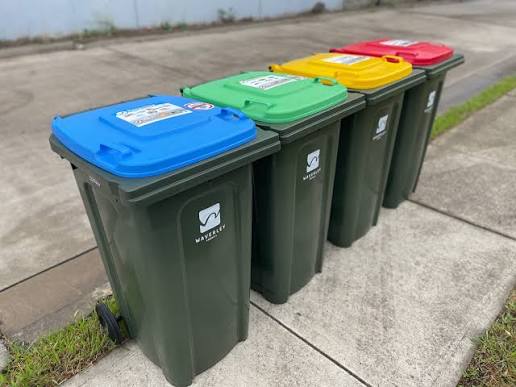
1. Council green bin
Free, already in your rates, ideal for ongoing maintenance. Limits: branch diameter caps (typically 100mm), the lid must close, no soil. Useless for a one-off clean-up.
2. Council kerbside clean-up
One or two bookable collections a year with a vegetation allowance. Cheap, but you wait for a booking, you carry everything to the nature strip, and the volume is capped.
3. Skip bin
2 cubic metre green waste skip: $250 – $350
4 cubic metre: $350 – $500
6 cubic metre: $450 – $700
8 cubic metre: $600 – $900
You load it. That is the entire catch. Skips also need a council permit if placed on the street, and green wasteonly skips are cheaper than mixed skips, so keep them clean.
4. Full-service removal crew
Labour, truck, chipper and disposal in one price. Most expensive per cubic metre, cheapest per hour of your life, and the only realistic option for large or overgrown sites.
What Garden Waste Removal Costs in Sydney
Small ute load (approx 1.5 cubic metres), loaded by crew: $150 – $300
Full overgrown yard clean-up (half day): $700 – $1,400
Full overgrown yard clean-up (full day): $1,400 – $2,800
Self-haul tip fee for garden organics: $80 – $140 per tonne
The two variables that move the price most are access and presentation. Stacked material near the driveway can halve the labour on a garden waste removal Sydney job compared with the same volume scattered across a steep rear garden.
The Legal Bit That Actually Matters
Under section 143 of the Protection of the Environment Operations Act 1997, waste must be transported to a place that can lawfully accept it, and both the owner of the waste and the transporter are legally responsible for proving that it was.
That is the sentence to remember. If you pay someone cash and they dump your prunings in a reserve at Kellyville, you are not automatically clear of it.
Other enforced rules: loads of garden organics must be covered during transport, with fines applied for uncovered loads that spill onto roads or wash into stormwater. Illegal dumping attracts on-the-spot fines in the thousands, prosecution penalties in the millions for corporations, plus clean-up costs.
Ask any garden waste removal Sydney operator one question: which facility do you tip at? A legitimate business answers immediately.
What Happens to Your Waste
Garden organics is one of the great recycling success stories in NSW. Research from UTS on Australia’s urban tree canopy supports recycling this material into useful landscape products. At a licensed facility material is inspected for contamination, shredded, then composted in windrows at temperatures high enough to pasteurise weed seeds and pathogens, or screened directly into mulch grades.
Finished products come back as landscape mulch, soil conditioner and potting blends, regulated through the EPA’s resource recovery orders and exemptions which set contaminant limits before recycled organics can be applied to land.
NSW has also mandated FOGO services for all households by 2030 and for businesses in stages from July 2026, so far more of this material will be diverted from landfill over the next few years.
Preparing for a Clean-Up (and Saving Money)
Stack it in one place near the access point. This is the single biggest saving you can make.
Separate the contaminants. Pull out pots, stakes, weed mat, wire and hose.
Cut long branches down to under 1.5 metres so they load efficiently.
Clear the access path. Move cars, unlock gates, take off a fence panel if it helps.
Decide about the chip. If the crew is chipping on site, ask them to leave the mulch on your beds. It reduces their disposal volume and saves you buying mulch.
Book off-peak. Post-storm weeks are the most expensive time to book anything.
Combine jobs. Pruning plus removal in one visit is cheaper than two visits.
Reducing Waste in the First Place
Chop and drop soft prunings straight onto garden beds. Run anything under 40mm through a home mulcher. Keep a compost bay for leaves and clippings. Mow with the catcher off. And when replanting, choose species sized for the space, because the wrong tree in the wrong spot is effectively a lifetime subscription to garden waste removal Sydney services.
Green waste removal is an important part of taking care of your property and being kind to the environment. This specialised service deals with collecting and getting rid of organic materials that come from gardening, landscaping, and tree maintenance activities.
What Does Green Waste Include?
Green waste includes:
Tree branches and limbs
Grass clippings
Garden prunings
Leaves and bark
Plant materials
Tree stumps
Knowing how much green waste removal cost is important for both homeowners and business owners. The prices can vary depending on things like how much waste you have and what type of service you choose. That’s why it’s essential to do some research and plan ahead for these expenses.
Understanding the costs of green waste removal can help you:
Green waste includes various organic materials produced from gardening and landscaping activities. Knowing what materials are acceptable for disposal makes the process easier and ensures that local rules are followed.
Accepted Green Waste Materials:
Tree branches and limbs
Grass clippings
Garden prunings
Leaves and pine needles
Tree stumps and roots
Bark and wood chips
Palm fronds
Hedge trimmings
Pinecones and seed pods
Clean untreated timber
Materials Not Accepted in Green Waste Collection:
Soil and dirt
Rocks and stones
Building materials
Concrete or bricks
Plastic bags or containers
Treated or painted timber
Chemical containers
Metal objects
Food waste
Hazardous materials
Properly sorting green waste materials is crucial for recycling. Clean, well-separated green waste can be turned into valuable products like mulch and compost, promoting sustainable gardening practices and reducing landfill waste.
The size and condition of green waste materials impact how they are disposed of. Many collection services require branches to be cut to specific lengths and bundled properly. Large items such as tree stumps often need specialised removal services because of their weight and size.
Factors Influencing Green Waste Removal Costs
The cost of green waste removal services varies based on several key factors that directly impact pricing structures. Understanding these elements helps in budget planning and service selection.
1. Volume-Based Pricing
The size of your green waste load plays a significant role in determining the cost of removal. Here’s a breakdown of how pricing typically works based on volume:
Small loads (1-2 cubic metres): £50-£100
Medium loads (3-5 cubic metres): £150-£300
Large loads (6+ cubic metres): £350+
In addition to volume, the type of green waste you’re disposing of also affects costs. Here’s how different materials are priced:
Light materials such as leaves and grass clippings generally incur lower rates.
Denser materials like logs and stumps may attract premium rates due to their weight.
Mixed loads consisting of various types of green waste will be calculated based on the composition of the materials.
2. Service Type Cost Comparison
There are different types of services available for green waste removal, each with its own cost structure. Here’s a comparison between curbside pickup services and dumpster rental options:
Curbside Pickup Services
Weekly or fortnightly scheduled collections
Fixed bin size limitations
Annual subscription fees ranging from £100 to £200
Additional charges for extra bins at £50 to £75 per bin
Dumpster Rental Options
Flexible capacity choices based on your needs
Short-term hire available for specific projects
Daily rental rates ranging from £30 to £50 depending on the size and location
Delivery and collection fees applicable for transportation
Extended hire surcharges if you require the dumpster for an extended period
3. Location-Based Factors
The location where the green waste is being collected from can also impact the overall cost. Here are some location-based factors that may influence pricing:
Distance from disposal facilities: If the disposal site is far away, it may result in higher transportation costs.
Access restrictions: If there are any obstacles or limitations in accessing your property, additional charges may apply.
Council area pricing variations: Different council areas may have different pricing structures for waste management services.
Site preparation requirements: If any specific preparations need to be made at the collection site, it could affect the overall cost.
Professional removal services take into account various factors such as equipment costs, labour requirements, and disposal fees when determining their pricing structure. These elements work together with the type of service chosen and the volume of waste being disposed of to arrive at the final cost for green waste removal.
On-demand services for urgent green waste disposal
Rapid response teams equipped for immediate collection
Flexible booking windows to accommodate emergency situations
Direct loading assistance available
Time-saving alternative to scheduled collections
Service Customisation
Mixed load acceptance for combined green and general waste
Split-load options for recycling requirements
Weight-based pricing alternatives
Multiple bin provision for large properties
Extended hire periods for ongoing projects
The selection of an appropriate service option depends on project scope, property size, and waste volume requirements. Professional waste removal companies offer site assessments to determine the most cost-effective solution for specific needs.
Legal Considerations and Local Regulations Impacting Costs
Sydney’s tree preservation laws require specific permits and approvals for tree lopping or removal activities. These regulations protect the urban canopy and maintain environmental standards across different council areas.
Key Legal Requirements:
Council permits for removing trees exceeding designated height/trunk diameter
Written approval for any work on protected or heritage-listed trees
Compliance documentation from certified arborists
Specific disposal permits for large-scale green waste removal
The cost implications of these legal requirements can be substantial:
Permit application fees: £50-£500
Professional arborist reports: £200-£400
Non-compliance penalties: Up to £5,000 per offence
Illegal dumping attracts hefty fines ranging from £2,000 for individuals to £10,000 for businesses. These penalties reflect the environmental impact and cleanup costs associated with improper disposal.
Cost-Saving Compliance Tips:
Research local council regulations before project commencement
Bundle permit applications to reduce administrative fees
Schedule removals during non-peak seasons
Partner with licensed waste removal services familiar with local requirements
Environmental Responsibility in Green Waste Removal
Responsible green waste disposal plays a vital role in environmental conservation and sustainable resource management. Professional waste removal services implement eco-friendly practices that transform garden waste into valuable resources through dedicated recycling processes.
Sustainable Disposal Methods:
Mulching services convert branches and leaves into nutrient-rich garden materials
Composting facilities process green waste into organic fertilisers
Wood chipping creates materials for landscaping and erosion control
Biomass conversion generates renewable energy sources
Green waste recycling reduces landfill usage and greenhouse gas emissions while creating beneficial by-products. Professional removal companies utilise specialised equipment to sort and process different types of yard waste, ensuring maximum recycling potential.
Environmental Benefits of Professional Services:
Reduced carbon footprint through efficient collection routes
Prevention of illegal dumping and associated environmental damage
Creation of valuable resources for agriculture and gardening
Protection of local ecosystems and wildlife habitats
Many removal companies now offer environmental assessments as part of their services, helping property owners develop sustainable yard waste management strategies. These assessments identify opportunities for on-site composting, suggest native plantings to reduce green waste generation, and recommend appropriate disposal methods for different types of vegetation.
Choosing a service provider with strong environmental credentials ensures yard waste contributes to a circular economy rather than creating additional environmental burden.
Tips for Hiring Green Waste Removal Services
Selecting a reliable green waste removal service requires careful consideration and thorough research. Here’s a systematic approach to finding the right provider:
A reputable service provider should offer transparent pricing, detailed service agreements, and clear communication channels. Request documentation of their risk management procedures and ask for references from previous clients in your area.
Case Study Highlight: Trees Down Under Services
Trees Down Under is a leading green waste removal service provider in Sydney’s Hills District and North Shore areas. This established company sets the standard for the industry with its wide range of services:
Core Services:
Professional tree removal and disposal
Advanced stump grinding techniques
Full-scale vegetation clearing
Site preparation and grading
Environmental assessments
Land development solutions
Safety Standards
The company’s strong focus on safety raises the bar in the industry. Trees Down Under has comprehensive insurance coverage, which includes:
Public liability insurance
Professional indemnity protection
Workers’ compensation
Equipment and vehicle insurance
Their thorough risk management plan guarantees safe operations for projects of all sizes. Before starting any job, a detailed assessment is conducted to identify potential dangers and implement necessary control measures.
Regulatory Compliance
Trees Down Under’s dedication to following regulations is evident in their careful documentation and permit acquisition processes. The team collaborates closely with local councils to obtain required approvals for tree removal and land clearing projects.
Specialised Services
The company’s expertise also includes specialised services such as:
Mulching and resource recovery
Site clean-up and restoration
Environmental impact minimisation
Vegetation management planning
This wide range of services, along with their commitment to safety, makes Trees Down Under a reliable partner for green waste removal projects in Sydney’s northern areas.
Conclusion
Planning green waste removal requires careful consideration of legal requirements, environmental impact and cost efficiency. Selecting service providers who prioritise sustainable disposal methods and hold proper certifications safeguards both the environment and property owners’ interests.
Essential steps for cost-effective green waste removal:
Obtain necessary council permits before any tree work
Document waste volume accurately for precise quotes
Compare multiple service providers’ pricing structures
Verify insurance coverage and licencing
Request detailed written estimates
Schedule services during off-peak seasons for better rates
A well-researched approach to yard debris removal delivers value while maintaining compliance with local regulations. The investment in professional green waste services protects property values and contributes to community environmental standards. Careful planning and selection of qualified providers transforms green waste management from a potential challenge into a straightforward, budget-conscious process.