Storms can turn a healthy tree into an urgent hazard in minutes. Homeowners usually need to balance safety, legal duties, insurance rules, and the right contractor, often while access is blocked and power lines are down.
This guide explains what to do first, when tree removals are necessary, and how to avoid expensive mistakes.
What should they do immediately after storm damage?
They should treat the area as dangerous until proven otherwise. The safest first step is to keep people and pets away, especially if branches are hanging, the trunk is split, or the tree is leaning.
If there are downed power lines or the tree is touching cables, they should call the electricity network operator or emergency services and stay well clear. They should take clear photos from a safe distance for insurance before anything is moved.
How can they tell if a tree needs removing or just pruning?
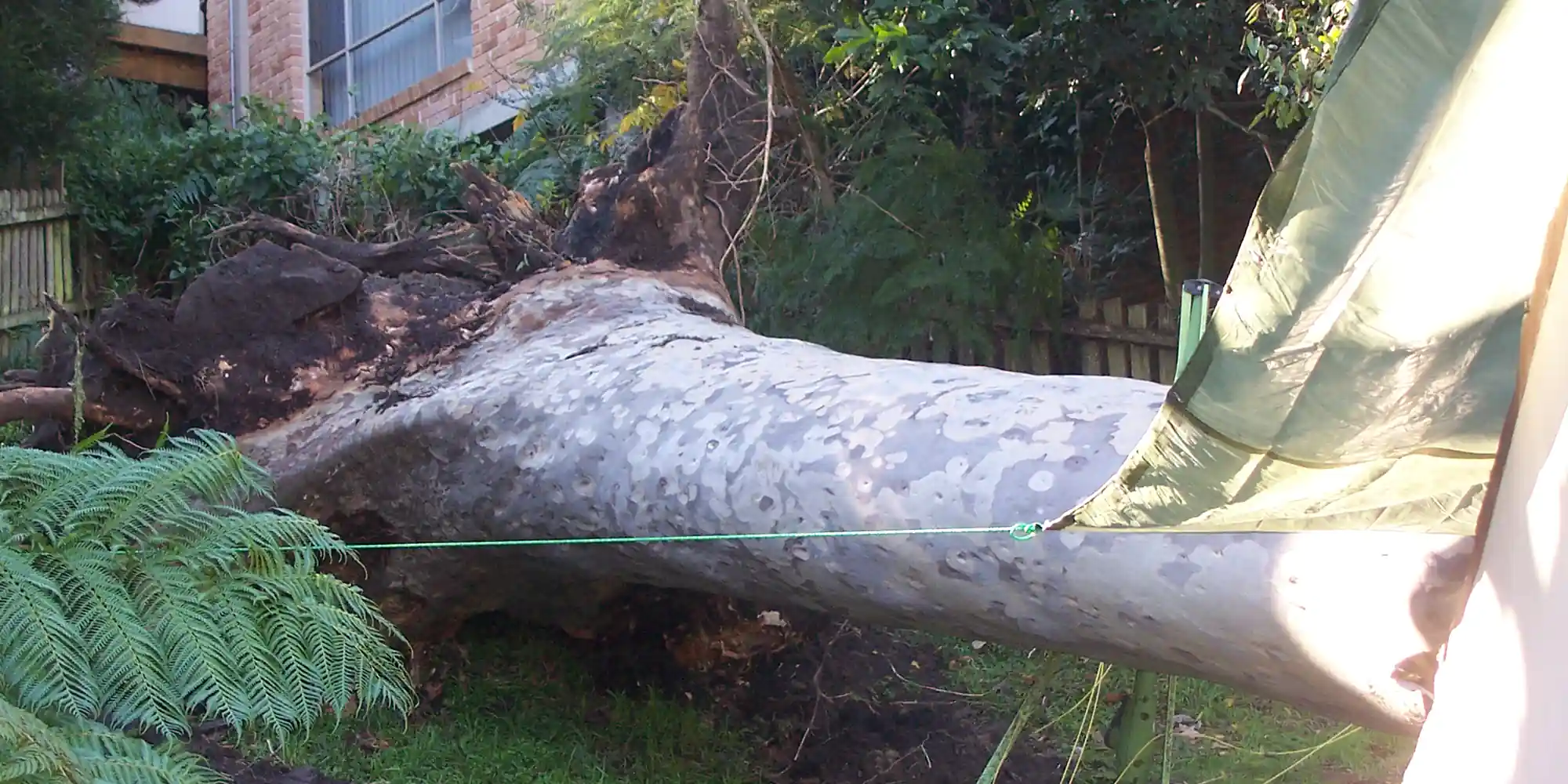
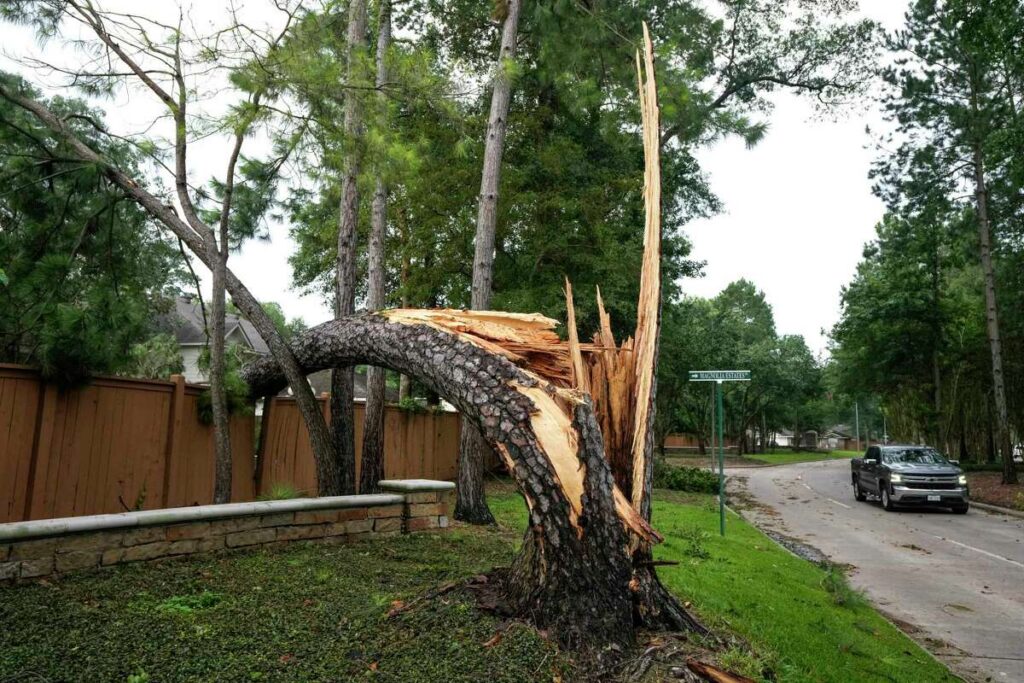
They should assume removal is likely if the trunk is cracked, the tree has lifted roots, or it has developed a sudden lean. A tree that has lost a large proportion of its canopy can also become unstable over the next weeks.
Pruning is often enough when damage is limited to small or medium limbs and the main structure is sound. A qualified arborist can confirm whether the tree can be made safe with reductions and selective cuts, rather than full removal.
When is storm damage considered an emergency?
It is an emergency when there is an immediate risk to life or major property. Examples include a tree blocking an exit, resting on a roof, threatening to fall onto a public pavement, or tangled with overhead lines.
They should also treat it as urgent if the tree has split into two stems, is heaving at the base, or has large suspended limbs. In these cases, waiting for “good weather” can make the situation worse and more costly.
What are the main risks of DIY tree removal after a storm?
Storm-damaged trees behave unpredictably because the wood can be under tension and compression. Cuts can cause the trunk to roll, limbs to spring, or the tree to shift suddenly, even if it looks stable.
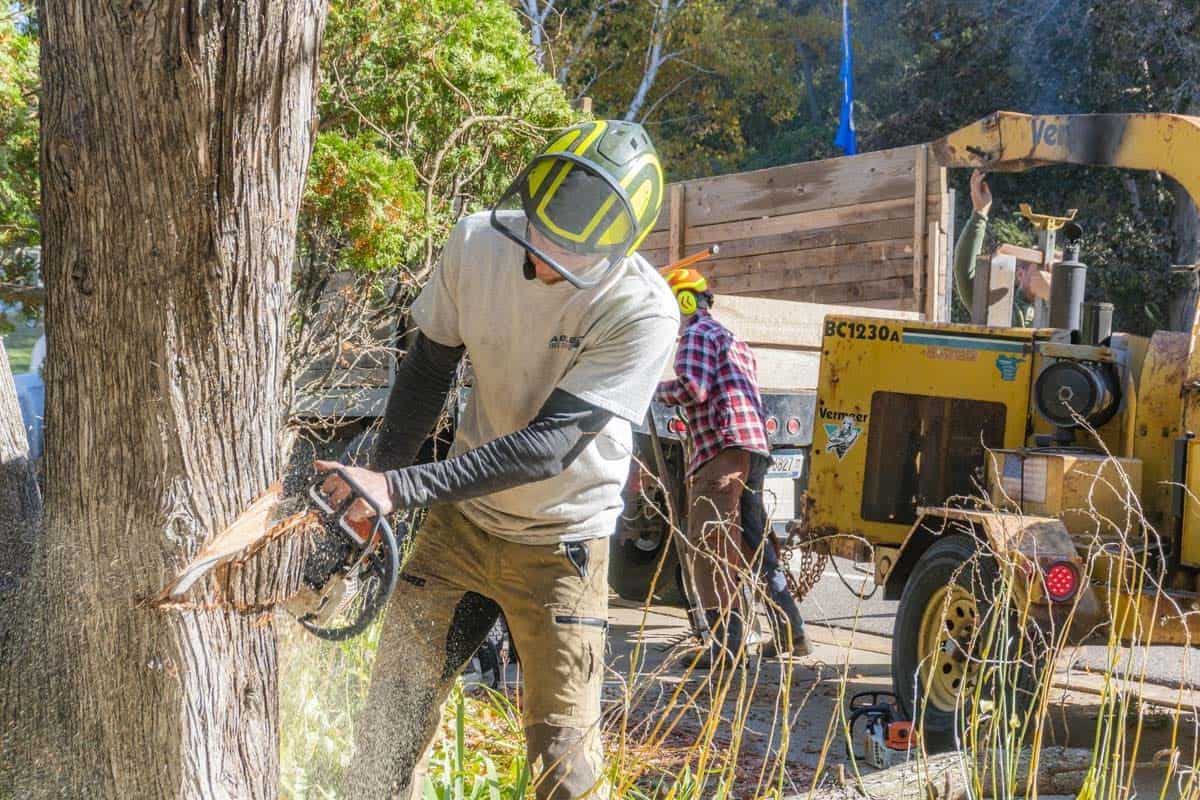
Ladders, chainsaws, and wet ground are a dangerous mix for non-professionals. DIY work can also create liability if debris falls onto a neighbour’s property or the public highway, and insurers may question claims linked to unsafe actions. Learn the key differences between professional tree removal services and DIY tree removal risks.
Who is responsible if a tree falls onto a neighbour’s property?
Responsibility depends on where the tree stood and whether it was reasonably maintained. If the tree was clearly unsafe beforehand and the homeowner ignored obvious signs, they could be found negligent.
In many everyday scenarios, storm events are treated as “acts of nature”, and each party claims on their own insurance. They should document pre-storm conditions if possible and keep records of inspections or prior work.
Will insurance cover storm-damaged tree removal?
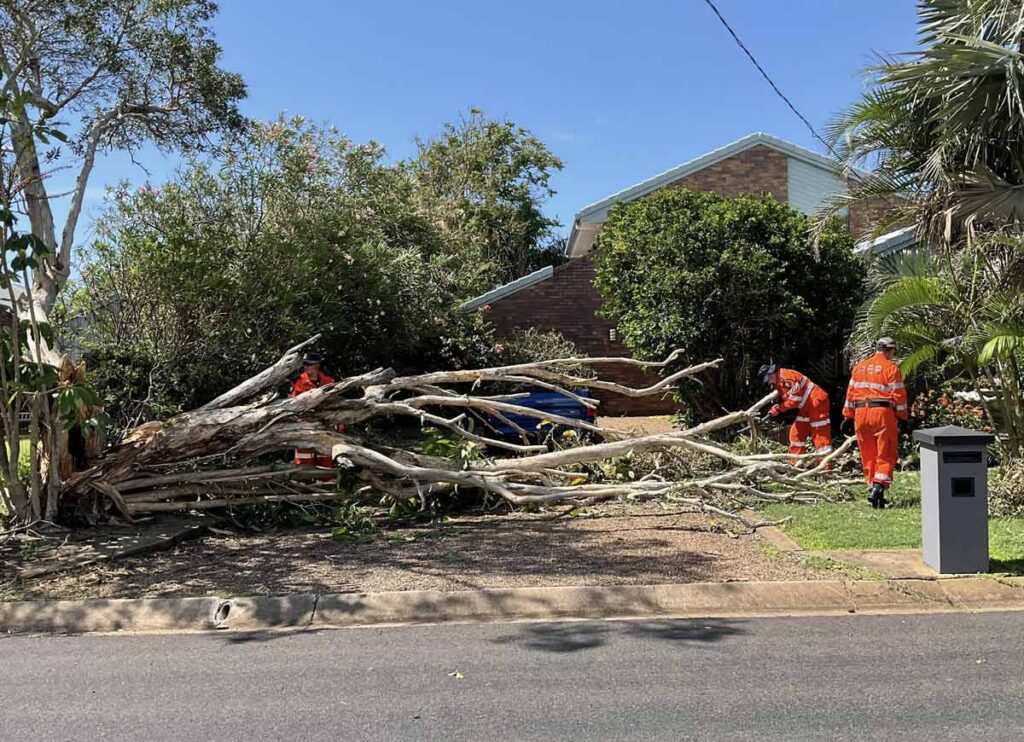
Many UK home insurance policies cover removal when a tree damages an insured structure, such as a house, garage, boundary wall, or driveway. Cover for “fallen tree removal” without damage is often limited, optional, or excluded.
They should read the policy wording and call the insurer before authorising major work, unless it is necessary to prevent further damage. Insurers may require photos, an arborist report, or receipts from an accredited contractor. Click here to get more about claims regarding storm-damaged trees on public land.
Do they need permission to remove a storm damaged tree?
They may need permission even after storm damage. Trees protected by a Tree Preservation Order (TPO) or located in a conservation area can require council consent before pruning or removal.
There is an exception for making a tree safe, but it still usually requires evidence and prompt notification to the local planning authority. They should ask the contractor to check protection status and keep written confirmation of any emergency works justification. You may also visit https://newcastle.nsw.gov.au/about-us/forms-and-publications/forms-and-permits/report-storm-damage-tree-removal-form to learn the requirements to report trees removed due to storm damage.
How should they choose a contractor for storm damage removals?
They should use a qualified, insured arborist rather than a “man with a saw”. A reputable contractor will explain the plan, identify hazards, and provide a written quote.
They should ask for proof of public liability insurance, relevant training, and whether waste removal and stump treatment are included. If access is tight or near buildings, they should expect rigging, controlled lowering, and possibly traffic or pavement management.
What questions should they ask before work starts?
They should ask what will be removed and what will be left, including whether the stump will be ground out. They should also ask who is responsible for checking TPO or conservation restrictions, and whether the price includes removing all arisings.
If the tree is near utilities, they should ask what safety steps will be used and whether the provider needs to isolate lines. They should confirm start date, timescale, and what happens if further defects are discovered mid-job.
What should they expect the removal process to involve?
A proper storm damage removal usually starts with a site risk assessment. The contractor may cordon off areas, set anchor points, and remove unstable limbs first to reduce danger.
In confined spaces, the tree is typically dismantled in sections and lowered with ropes to avoid damaging roofs, fences, or gardens. If the tree has failed at the root plate, machinery may be used, but only where ground conditions allow.
What happens to the stump and roots afterwards?
They usually have three options: leave the stump, grind it below ground level, or remove it fully. Stump grinding is the most common because it is quicker and less disruptive than excavation.
If replanting is planned, grinding helps create space, but they may need fresh topsoil. If the tree failed due to root decay, the contractor may recommend checking nearby trees for similar issues, especially in the same soil conditions.
How can they reduce the chance of future storm-related removals?
They can reduce risk by arranging periodic inspections, particularly for mature trees near buildings or roads. Early action like crown thinning, deadwood removal, and correcting weak unions can prevent failures.
They should also watch for warning signs: fungi at the base, cracks, cavities, sudden dieback, or soil lifting after high winds. Planting the right species in the right place, with room to grow, lowers long-term storm vulnerability.
What should they do if access is blocked and clean-up is urgent?
They should clear only light debris they can move safely, without climbing or cutting overhead limbs. Anything under tension, hung up in the canopy, or resting on structures should be left to professionals.
If the tree blocks a public road or footpath, they should contact the local council or highways authority for guidance, especially if traffic management is needed. They should continue documenting the condition until the site is made safe.
What is the simplest safe plan homeowners can follow?
They should prioritise safety, documentation, and expert advice. Keep away from hazards, photograph everything, contact insurers when practical, and hire a qualified, insured arborist who can handle permissions and controlled removal.
Storm damage is stressful, but the right sequence prevents injuries, avoids legal trouble, and usually reduces the final cost.
FAQs (Frequently Asked Questions)
What immediate steps should homeowners take after storm damage to a tree?
Homeowners should treat the area as dangerous until proven safe by keeping people and pets away, especially if branches are hanging, the trunk is split, or the tree is leaning. If there are downed power lines or the tree touches cables, they must call the electricity network operator or emergency services and stay well clear. Taking clear photos from a safe distance for insurance purposes before moving anything is also essential.
How can one determine whether a storm-damaged tree requires removal or just pruning?
Removal is likely if the trunk is cracked, roots are lifted, or the tree has developed a sudden lean. A large loss of canopy can also make a tree unstable over weeks. Pruning suffices when damage is limited to small or medium limbs with a sound main structure. A qualified arborist should assess whether selective cuts can make the tree safe instead of full removal.
When is storm damage to trees considered an emergency situation?
It is an emergency when there is an immediate risk to life or major property, such as a tree blocking an exit, resting on a roof, threatening public pavements, or entangled with overhead lines. Urgency also applies if the tree has split stems, heaving at the base, or large suspended limbs. Waiting for better weather in these cases may worsen risks and costs.
What are the risks associated with DIY tree removal after storm damage?
Storm-damaged trees behave unpredictably due to tension and compression in wood; cuts can cause sudden rolling, springing limbs, or shifting even if stable-looking. Using ladders and chainsaws on wet ground poses dangers for non-professionals. DIY removal can create liability if debris falls on neighbours’ properties or public areas, and insurers may question claims linked to unsafe actions.
Is permission required to remove a storm-damaged tree?
Permission may be needed even after storm damage. Trees protected by Tree Preservation Orders (TPOs) or located in conservation areas often require council consent before pruning or removal. An exception exists for making a tree safe but usually requires evidence and prompt notification to local authorities. Contractors should verify protection status and keep written confirmation of emergency work justification.
Will home insurance cover the cost of removing storm-damaged trees?
Many UK home insurance policies cover removal when a tree damages insured structures like houses, garages, boundary walls, or driveways. Coverage for fallen tree removal without damage tends to be limited, optional, or excluded. Homeowners should review policy wording carefully and contact their insurer before authorising major work unless necessary to prevent further damage; insurers may request photos, arborist reports, or receipts from accredited contractors.