

In most suburbs, the smartest approach is to plan trim trees near me work around seasons, weather, local wildlife, and council rules, then book a qualified arborist to match the tree species and site risks.
When is the best time to trim trees in Australia?
For most common Australian landscape trees, late winter to early spring is often the best window because growth is about to surge and wounds typically close faster. They should still tailor timing to the species, the tree’s condition, and the local climate zone.
In cooler areas like Canberra, Ballarat, or the Adelaide Hills, pruning just before spring can reduce stress. In warmer areas like Brisbane or coastal NSW, the “best time” can shift earlier or later depending on humidity, storms, and pest pressure.
Why does summer trimming create extra stress for many trees?
Hot, dry conditions can increase water loss and heat stress after pruning, especially if they remove too much canopy. They should be conservative in summer and prioritise hazard reduction over reshaping.
In many Australian backyards, summer pruning also coincides with high UV and sudden heatwaves. If they must trim trees near me in summer, a qualified arborist will usually limit cuts, protect the branch collar, and avoid stripping shade from the western side of the canopy.
How does winter pruning change results?
Winter pruning can be ideal for some deciduous trees because structure is easier to see and sap flow is lower. They can make cleaner decisions about crossing branches, clearance, and form.
For some evergreens, heavy winter pruning can expose inner limbs to sunburn when spring arrives. When booking trim trees near me, they should ask for species-specific advice rather than assuming winter is always “safe”.
What happens if they trim right before a storm season?
Poor timing can turn minor defects into major failures when wind and saturated soil arrive. They should schedule inspections and structural pruning well before storm season, not during it.
In northern Australia, the wet season can magnify risk because trees become heavier and roots can lose grip in waterlogged ground. Across many coastal suburbs, last-minute trim trees near me requests spike after warnings, but the best time is earlier when crews can work safely and proactively.
Why do councils and local laws affect trimming timing?
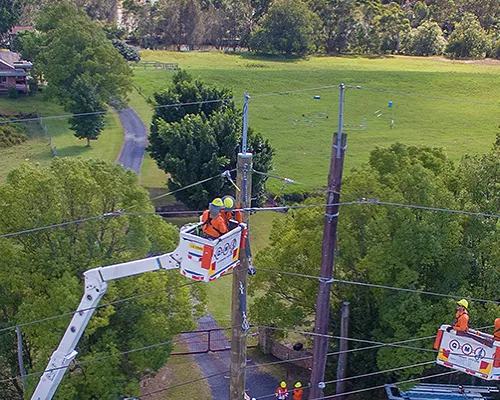
Timing matters because approvals, protected vegetation rules, and powerline clearance requirements can dictate what is allowed and when. They should check their local council website or call before cutting significant limbs.
In many parts of Sydney, Melbourne, Perth, Adelaide, and regional NSW or VIC, certain tree removals or heavy lopping may require permits, arborist reports, or neighbour notification. Anyone booking trim trees near me should confirm whether the tree is exempt, regulated, or part of a vegetation protection overlay.
How do Australian birds and wildlife influence when they should prune?
Nesting season can change what is appropriate, even when the tree is on private property. They should assume active nesting is possible in spring and early summer and ask the arborist to check before pruning.
In suburban Australia, magpies, possums, and a wide range of native birds use dense canopies for shelter. Ethical trim trees near me planning includes looking for nests, hollows, or signs of wildlife, then postponing non-urgent work or staging it to avoid disturbance.
Which tree types are most sensitive to bad timing?
Many natives and ornamentals respond differently to pruning, so timing should match the species. They should be especially careful with trees that bleed sap heavily or are prone to fungal issues.
For example, some eucalypts can drop limbs unpredictably and may require careful, risk-based pruning rather than cosmetic cuts. Many fruit trees also benefit from species-specific seasonal pruning schedules, so when searching for tree pruning advice, they should provide the tree type if known to avoid receiving generic guidance.
Why does timing matter for disease and pests?
Fresh cuts are entry points for pathogens and pests, and certain seasons increase that risk. They should avoid pruning during periods when fungal spores, borers, or other pests are most active in their area.
In humid coastal zones, fungal pressure can be higher after rain and in warmer months. In drier regions, stressed trees can become pest targets if pruned hard at the wrong time. A good trim trees near me service will sanitise tools and time major pruning for lower-risk periods.
How does rainfall and soil condition affect safe access?
Wet ground can be a safety problem and a property damage problem. They should avoid booking work right after heavy rain when soil is soft and access is slippery.
In many Australian homes, crews need to move chippers, elevated work platforms, or trucks across lawns and driveways. If they schedule trim trees near me during a wet week, they may face delays, higher risk, and more turf damage, especially in clay soils common in parts of VIC and NSW.
What timing reduces neighbour disputes and boundary issues?
Good timing includes communication. They should talk to neighbours early, particularly for overhanging limbs, shared fences, and trees close to boundary lines.
Pruning on the morning of a party, during school drop-off chaos, or while neighbours are away can inflame conflict. A smoother trim trees near me experience often comes from booking midweek, sharing the plan, confirming access needs, and agreeing on how green waste will be handled.
When should they prioritise trimming for safety rather than aesthetics?
Safety work should happen as soon as a credible risk is identified, regardless of season. They should prioritise deadwood removal, split limbs, hanging branches, and clearance from roofs or driveways.
If a tree is dropping limbs, leaning after storms, or has visible cracks, waiting for the “perfect season” can be risky. In those cases, searching trim trees near me should lead to an urgent inspection and a risk-based scope that may include staged pruning.
How can they plan timing to save money and get better availability?
They can often get better booking options by planning outside peak periods. They should request quotes early for late winter and spring, when demand rises in many suburbs.
After major storms, prices and waiting times can jump because crews are stretched. People who schedule routine maintenance, rather than emergency call-outs, often get more choice in appointment times. A proactive trim trees near me plan can also reduce repeat visits by setting a multi-year pruning cycle.
What should they ask an arborist to confirm the timing is right?
They should ask for the reasoning behind the proposed timing, not just a date. A qualified arborist should explain how season, species, site exposure, and risk drive the plan.
Useful questions include what pruning method will be used and why, how much canopy will be removed, whether nesting checks are required, and whether council restrictions apply. When comparing what pruning services near me should include in a quote, clear answers can help distinguish thorough arboricultural work from basic cosmetic lopping.
How do they know if the tree was trimmed at the wrong time?
Signs of poor timing include excessive dieback, sunburnt limbs, heavy epicormic shoots, or slow recovery. They should also watch for fungal growth around cuts or sudden leaf drop beyond normal seasonal changes.
In Australian conditions, harsh pruning during heat can show up fast as scorched inner branches. If they used a trim trees near me service and the tree declines, they should arrange an independent arborist assessment to identify whether timing, technique, or underlying disease is the cause.
What is the simplest timing rule to follow?
They should aim for light, regular maintenance rather than heavy, reactive cuts. In many Australian yards, that means planning structural pruning in cooler, steadier weather and reserving hot or wet periods for essential safety work only.
When they search trim trees near me, the best outcome usually comes from a seasonal plan, a species-aware arborist, and a scope that protects the tree’s long-term health while managing real-world risks around homes, fences, and powerlines.
FAQs (Frequently Asked Questions)
When is the best time to trim trees near me in Australia?
The best time to trim trees near you in Australia is usually from late winter to early spring. This timing aligns with most common Australian landscape trees’ growth cycles, allowing wounds to close faster. However, it’s important to tailor pruning to the specific tree species, its condition, and your local climate zone for optimal health and safety.
Why should I avoid trimming trees near me during summer?
Trimming trees near you in summer can cause extra stress due to hot, dry conditions that increase water loss and heat stress, especially if too much canopy is removed. Summer pruning also coincides with high UV exposure and sudden heatwaves. If trimming is necessary during summer, a qualified arborist will limit cuts, protect branch collars, and avoid removing shade from critical canopy areas.
How do local councils and laws affect when I can trim trees near me?
Local councils and laws can significantly influence the timing of tree trimming near you because approvals, protected vegetation rules, and powerline clearance requirements dictate what is allowed and when. It’s essential to check your local council’s website or contact them before cutting significant limbs, as permits or notifications may be required for removals or heavy pruning.
What role does wildlife play in deciding when to trim trees near me?
Wildlife such as native birds and possums often use tree canopies for nesting and shelter, especially during spring and early summer. When planning to trim trees near you, it’s ethical and often legally necessary to consider nesting seasons by having an arborist check for active nests or wildlife signs before pruning to avoid disturbance.
How does weather impact the timing of tree trimming near me?
Weather conditions like rainfall and soil moisture affect safe access for tree trimming near you. Wet ground after heavy rain can create safety hazards and property damage risks due to slippery surfaces and soft soil. Scheduling trimming work during dry periods helps ensure crew safety, reduces turf damage, and avoids delays.
When should I prioritize trimming trees near me for safety rather than aesthetics?
Safety-related tree trimming near you should be prioritized whenever there are hazards such as weak branches, structural defects, or proximity to powerlines that pose risks to people or property. Unlike aesthetic pruning that focuses on appearance, safety pruning ensures the health of the tree while preventing potential accidents or damage.