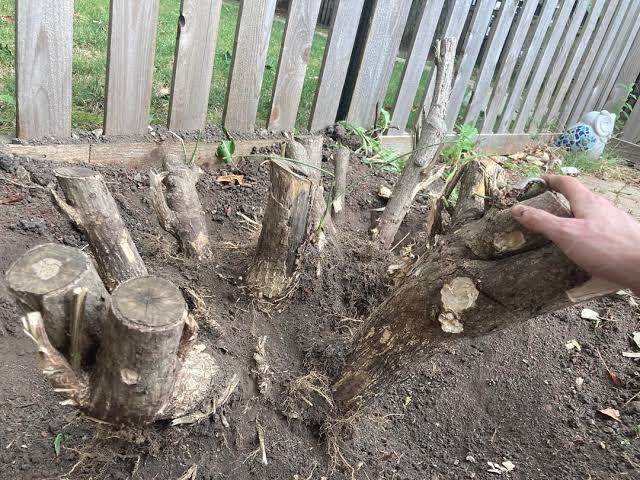
A stump is the part of the job everyone forgets to budget for. The tree comes down, the site looks great, and then you are left with a hardwood lump that blunts mowers, sprouts suckers, hosts termites and quietly refuses to rot for the next fifteen years.
There are six realistic approaches to tree stump removal. This guide compares them on cost, effort, time and result, so you can pick the right one instead of the first one you read about.
Why Bother Removing It?
- Trip hazard. Especially in lawn where it disappears under grass.
- Mower damage. A hidden stump will destroy a blade and can throw debris.
- Suckering. Camphor laurel, privet, poplar, willow and liquidambar all reshoot from a cut stump, sometimes for years.
- Termites and borers. A decaying stump near a house is an invitation.
- Fungal pathogens. Armillaria and other root rots persist in dead stumps and can spread to healthy trees.
- Space. You cannot pave, build, plant or landscape around it properly.
Method 1: Stump Grinding
How it works. A machine with a rotating tungsten-toothed wheel shaves the stump away in thin layers, typically to 150 to 450mm below ground level.
Cost. $120 to $900 for most residential stumps. Very large stumps up to $2,500.
Time. 20 minutes to a few hours.
Pros. Fast, tidy, no large excavation, minimal disturbance to surrounding lawn and services, immediately usable ground.
Cons. Leaves deeper roots in place. Produces a large volume of chip that needs managing. Machines struggle in rocky or rubble-filled ground.
Verdict. The right choice for roughly 90 percent of residential tree stump removal jobs.
Method 2: Full Excavation
How it works. An excavator or backhoe levers the stump and root plate out whole.
Cost. $600 to $4,000 including machine hire and spoil disposal.
Time. Half a day to a day.
Pros. Everything is gone. Ground is clear for footings, pools or slabs.
Cons. Requires machine access. Leaves a large hole needing backfill. Can undermine retaining walls, paths and services. Expensive spoil disposal.
Verdict. Only when the entire root system genuinely must be removed.
Method 3: Chemical Stump Killer
How it works. Holes are drilled into the stump and filled with potassium nitrate or a proprietary stump-out product, accelerating decomposition. Herbicides such as glyphosate applied to a freshly cut surface kill the stump but do not remove it.
Cost. $20 to $80 in product.
Time. 6 to 24 months, sometimes longer for dense hardwood.
Pros. Cheap. No machinery. Effective at stopping suckering if applied to a fresh cut.
Cons. Extremely slow. The stump stays visible the whole time. Results are inconsistent, particularly with ironbark and other dense species. Chemical handling and pet safety considerations.
Verdict. Good for killing suckers, poor as a standalone tree stump removal method.
Method 4: Burning
How it works. Holes are drilled and filled with an accelerant, and the stump is burned out over several hours.
Cost. Minimal.
Time. A full day or more of supervision.
Pros. Cheap.
Cons. Illegal in almost every Sydney and metropolitan council area. Serious fire risk. Smoke complaints. Burns unevenly, often leaving the below-ground portion intact. Roots can carry fire underground.
Verdict. Do not. Backyard burning of vegetation is prohibited across metropolitan councils without specific approval.
Method 5: Manual Digging
How it works. Mattock, spade, bow saw and a lot of persistence. Expose the major roots, sever them, lever the stump out.
Cost. Free, plus your weekend and your back.
Time. 2 hours for a small stump, a full weekend or more for anything substantial.
Pros. No cost, no machinery, complete removal.
Cons. Genuinely hard physical work. Dulls tools rapidly on soil-embedded roots. Risk of striking underground services. Not viable for anything over about 300mm diameter.
Verdict. Fine for small stumps in soft soil. Anything bigger and you will wish you had paid.
Method 6: Leaving It as a Feature
Sometimes the smartest tree stump removal decision is not removing it. A cleanly cut stump can become a plinth for a pot, a garden seat, a bird bath base, or be hollowed and planted out. In bushland settings, retaining a stump or a short habitat pole preserves shelter for skinks, insects and fungi.
Caveat: this only works if the species does not sucker and there is no termite concern near a building.
Grinding Depth: Decide Before You Book
- 150 to 200mm: turf, mulched garden beds, general tidy up. The default.
- 300 to 450mm: paving, concrete, deck footings, pool surrounds.
- Beyond that: you need excavation, not grinding.
Tell the operator what the space will be used for. Depth changes the price and a re-visit costs far more than getting it right first time.
Dealing With the Grindings
You will be left with a mound of wood chip and soil roughly 1.5 times the volume of the original stump. It is not topsoil and it is nitrogen-hungry while decomposing, so plants set straight into it will struggle.
Options: rake it back into the void and cap with 100mm of topsoil for lawn; spread it as pathway mulch elsewhere; compost it for 6 to 12 months with a nitrogen source; or have the crew cart it away and backfill with clean soil. Confirm which of these is included in your quote, because “stump ground” and “stump removed” mean different things.
Safety and Services
Before any tree stump removal work, locate underground services. Water, gas, electricity, telecommunications and irrigation lines all run through suburban backyards, often shallower than you would expect. Free service location is available before you dig.
Stump grinders throw debris at high velocity. SafeWork NSW identifies stump grinding as a core hazardous activity within the tree work industry. Full face protection, hearing protection and steel-capped boots are mandatory, and nobody should stand in the throw arc.
Replanting in the Same Spot
Offset any new tree at least a metre from the old trunk position, or deep-grind and fully remove the grindings before planting. The remaining root mass makes a proper planting hole difficult and ties up nitrogen for a season or more.
More importantly, think about whether the original species belonged there. Replanting the same oversized, aggressive-rooted tree in the same small courtyard is a very common and very expensive mistake.
For compliant stump-grinding waste disposal, follow NSW EPA garden-organics guidance. Research from QUT on urban tree benefits also helps frame the environmental trade-offs of removing versus retaining trees.