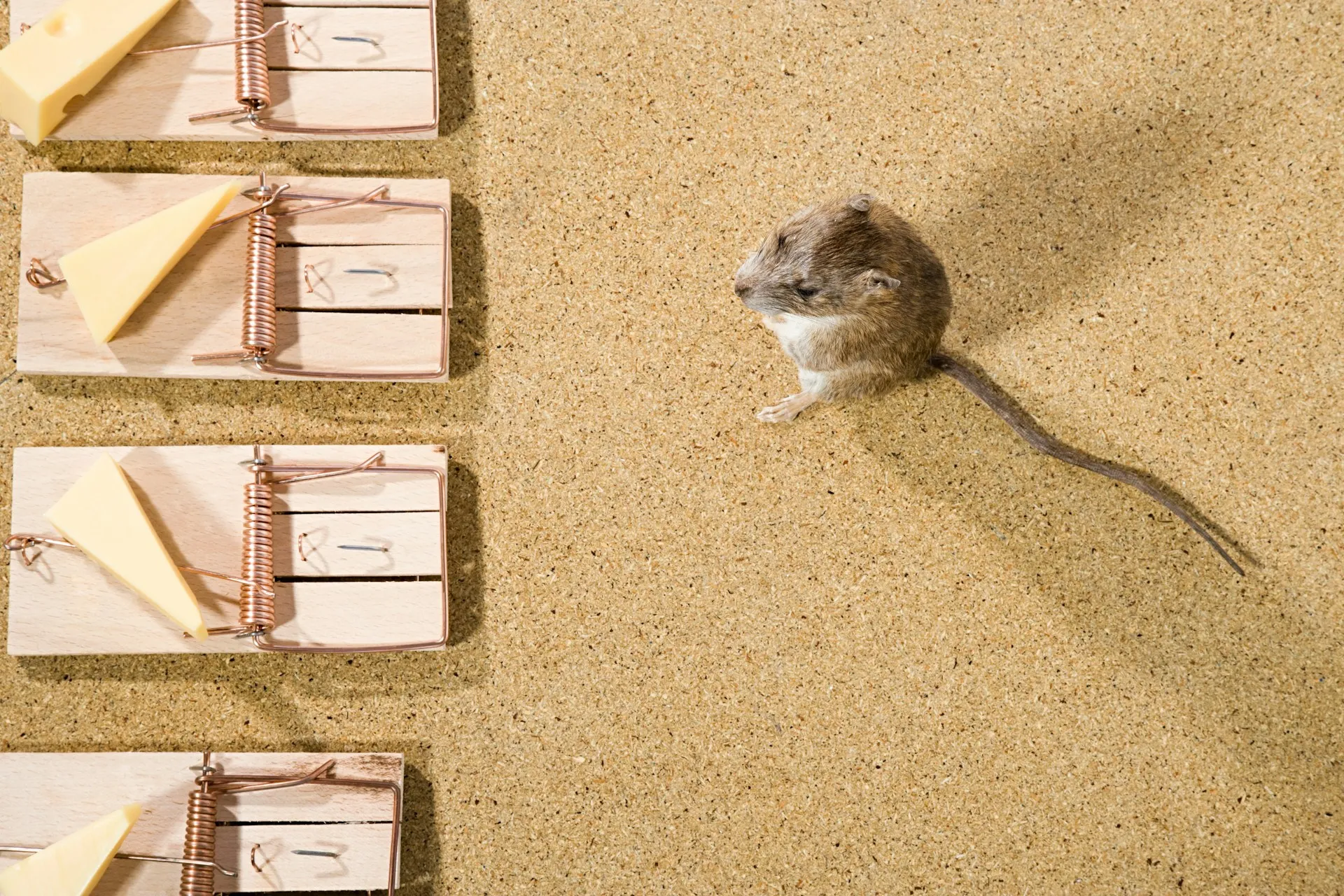
Rodents are still one of the most persistent household pests across Greater Sydney, from the Inner West to the Hills District. This revisit breaks down what people are actually dealing with now, how to identify it quickly, and what usually makes homes more attractive to unwanted visitors.
For anyone searching common rodent control Sydney homes, the biggest win is accurate identification. Once the species is clear, the entry points, nesting spots, and best control approach become far easier to pin down.
What rodent species are most commonly found in Sydney houses?
The most common culprits are roof rats, Norway rats, and house mice. In most suburbs, these three species explain the majority of sightings, droppings, and scratching noises reported by residents.
When discussing common rodent species affecting Sydney homes, it is usually one of these: roof rats in ceilings and trees, Norway rats at ground level and sewers, and house mice inside kitchens, pantries, and wall cavities.
How can they tell the difference between roof rats and Norway rats?
Roof rats are typically sleeker, climb well, and are often active above ground in roof voids, wall cavities, and gardens with dense vegetation. Norway rats are heavier, more burrow-focused, and more likely to travel at ground level along fences, drains, and under sheds.
For common rodent species affecting Sydney homes, behaviour is often the quickest clue. If the noise is in the ceiling at night, roof rats rise to the top of the suspect list. If there are burrows near paths or under concrete edges, Norway rats are more likely.
What does a roof rat infestation look like in Sydney?
A roof rat issue often shows up as nocturnal movement in the roof, rub marks along rafters, and droppings in the manhole area or near stored items. They may also damage fruit trees, nibble citrus, or strip bark in well-established gardens.
In common rodent species affecting Sydney homes, roof rats are often linked to overhanging branches, climbing vines, and broken tiles or gaps around eaves. They take advantage of easy aerial access, especially after storms or roof ageing.
Why are Norway rats still a problem around homes and flats?
Norway rats do well where there is steady moisture, food waste, and sheltered ground access. They commonly travel via stormwater lines, older drainage systems, retaining walls, and cluttered under-house spaces in parts of Sydney with mixed housing stock.
Within common rodent species affecting Sydney homes, Norway rats are frequently tied to poor bin hygiene, pet food left outside, compost that is not rodent-proof, and gaps under garage doors. They are also more likely to be seen in daylight when populations build.
How do house mice typically get into Sydney homes?
House mice can fit through very small gaps, often entering through weep holes, pipe penetrations under sinks, damaged door seals, and gaps where air-conditioning lines enter walls. Once inside, they tend to set up near warmth and food, particularly kitchens and laundries.
For common rodent species affecting Sydney homes, mice are the species most likely to be missed early. Their droppings are small, their noises can sound like general creaks, and their damage can be subtle until pantry items or wiring are affected.
What signs help confirm which rodent is present?
Droppings, tracks, gnaw marks, and the location of activity are usually more reliable than a quick glimpse. Roof rat droppings are often spindle-shaped, Norway rat droppings are larger and blunter, and mouse droppings are rice-grain sized.
When narrowing down common rodent species affecting Sydney homes, the “where” matters as much as the “what”. Ceilings and upper shelves suggest roof rats, ground-level runs suggest Norway rats, and hidden corners inside cupboards often indicate mice.
What do they eat, and what attracts them most in Sydney?
All three species are opportunistic, but the biggest attractors are consistent food sources and reliable water. Unsealed pantry staples, overflowing bins, bird seed, fruit on the ground, and pet bowls left out overnight can keep rodents returning.
In the context of common rodent species affecting Sydney homes, attraction is rarely about one messy moment. It is usually about repeat access, like unsecured wheelie bins, compost without a barrier, or outdoor eating areas where crumbs and grease build up.
Why do infestations spike in certain seasons?
Rodent pressure often rises after heavy rain, heatwaves, or abrupt temperature changes because outdoor nesting sites get disrupted and food patterns shift. In Sydney, wet spells can push Norway rats from drains, while cooler nights can encourage mice to settle indoors.
For common rodent species affecting Sydney homes, seasonal spikes also align with fruiting trees and garden growth. Dense spring and summer vegetation can act like a ladder to roofs, especially in leafy suburbs with mature trees.
What entry points are most common in Sydney houses and terraces?
Common entry points include broken roof tiles, gaps under eaves, unsealed vents, and penetrations around plumbing and cabling. Older terraces and renovated homes can have hidden voids where new services were added without fully sealing the gaps.
When addressing common rodent species affecting Sydney homes, exclusion is often the make-or-break step. If the home is not sealed, control tends to become a repeat cycle rather than a permanent fix.

How do flats and strata buildings get rodent problems?
In units, rodents often move through shared service ducts, basement car parks, rubbish rooms, and ceiling cavities between levels. A single unsealed utility riser or poorly maintained bin area can affect multiple flats, even when individual residents keep tidy.
For common rodent species affecting Sydney homes, strata contexts add complexity. Control often requires coordination because rodents do not respect lot boundaries, and activity in common property can continuously re-seed the problem.
What risks do rodents pose beyond nuisance?
Rodents can contaminate food prep areas, damage insulation, and gnaw wiring, which can create fire risks. Their urine and droppings can also trigger allergies and worsen asthma, particularly in children or people with respiratory sensitivities.
In discussions about common rodent species affecting Sydney homes, risk is not just about being startled by scratching noises. The hidden costs often show up as repairs, ruined stored goods, and ongoing odour where nesting has occurred. Check out more about Mice management and control.
What should they do first if they suspect rodents?
They should start by confirming activity, then reducing access to food and water, and finally sealing likely entry points. A simple audit of bins, pantry storage, pet feeding routines, and external gaps often reveals why rodents are lingering.
For common rodent species affecting Sydney homes, the first steps are practical rather than dramatic. Clear clutter near walls, store food in hard containers, and check for holes around pipes, vents, eaves, and the garage line.
When should they call a pest professional in Sydney?
They should consider professional help when there is repeated activity despite basic exclusion, when droppings are widespread, or when rats are suspected in roof voids. A professional can identify species, map entry points, and apply a plan that reduces reinfestation risk.
Because common rodent species affecting Sydney homes can overlap in one property, a tailored approach matters. A roof rat problem handled like a mouse issue often fails, just as sealing alone can fail if active nesting and established runs are not addressed.
How can they reduce the chance of rodents returning?
They can reduce the odds by sealing gaps, trimming vegetation away from the roofline, keeping bins clean and lidded, and removing easy shelter such as stacked timber or dense ground cover against the house. Regular checks after storms or roof repairs also help.
For common rodent species affecting Sydney homes, prevention is about removing repeat opportunities. If food access is consistent and entry points remain open, even successful control can be temporary in suburbs with active rodent populations nearby.
What is the simplest way to remember the main species and where they live?
They can remember it as: roof rats up high, Norway rats down low, and mice inside cupboards and wall spaces. This simple mental map helps narrow down likely entry points and where to check for droppings, rub marks, and gnawing.
That quick framework is why the phrase common rodent species affecting Sydney homes matters in practice. Correct species identification makes the next steps clearer, faster, and far more likely to stick.
FAQs (Frequently Asked Questions)
What are the most common rodent species affecting Sydney homes?
The most common rodent species found in Sydney houses include roof rats, Norway rats, and house mice. Roof rats typically inhabit ceilings and trees, Norway rats are found at ground level and in sewers, while house mice often reside inside kitchens, pantries, and wall cavities.
How can I distinguish between roof rats and Norway rats in my Sydney home?
Roof rats are sleeker, excellent climbers, and usually active above ground in roof voids, wall cavities, and dense gardens. Norway rats are heavier, burrow-focused, and travel along fences, drains, or under sheds at ground level. Noises in the ceiling at night suggest roof rats; burrows near paths or concrete edges indicate Norway rats.
What signs indicate a roof rat infestation in Sydney homes?
Signs of a roof rat infestation include nocturnal noises in the roof space, rub marks along rafters, droppings near manholes or stored items, damage to fruit trees such as nibbling citrus or stripped bark. Overhanging branches, climbing vines, broken tiles or gaps around eaves often provide aerial access for these rodents.
Why are Norway rats still a persistent problem around Sydney homes and flats?
Norway rats thrive where there is steady moisture, food waste, and sheltered ground access. They commonly move through stormwater lines, older drainage systems, retaining walls, and cluttered under-house spaces. Poor bin hygiene, pet food left outside, unsecured compost bins, and gaps under garage doors contribute to their presence.
How do house mice typically enter Sydney homes and where do they nest?
House mice can enter through very small gaps such as weep holes, pipe penetrations under sinks, damaged door seals, and gaps around air-conditioning lines. Inside homes they prefer warm areas near food sources like kitchens and laundries. Their presence is often subtle due to small droppings and faint noises resembling general creaks.
What are the common entry points for rodents in Sydney houses and how can infestations be prevented?
Common entry points include broken roof tiles, gaps under eaves, unsealed vents, and penetrations around plumbing and cabling. Older terraces or renovated homes may have hidden voids with unsealed gaps. Proper exclusion by sealing these entry points is crucial to prevent ongoing rodent infestations rather than temporary control measures.