Tree work in Sydney is rarely as simple as calling a contractor and booking a date. In most suburbs, tree removal services Sydney wide must follow local council controls, state planning rules, and heritage or environmental protections. The exact rules depend on where the tree sits, what species it is, and why it is being removed.
This guide explains how Sydney councils regulate approvals, exemptions, paperwork, and penalties, so property owners can plan legally and avoid delays.
What do Sydney councils actually regulate when a tree is removed?
Councils regulate whether a tree can be removed, how it is removed, and what must happen after removal. They usually control “prescribed” trees based on height, trunk diameter, species, ecological value, or location.
For Sydney tree removal services, the main friction point is approval. A contractor may be able to do the work safely, but the owner still needs the correct permit if the tree is protected under the local controls.
Which rules apply across Sydney, and which are suburb-specific?
The broad framework comes from NSW planning law and supporting instruments, while day-to-day approvals are handled by each council. That is why two neighbours in different council areas can face different thresholds and application steps.
Across tree removal services Sydney wide, the consistent reality is this: the relevant council is the decision-maker for most private property tree permits, and each council publishes its own tree preservation or vegetation management rules.
How do Tree Preservation Orders (TPOs) affect tree removal?
Many Sydney councils use Tree Preservation Orders or similar local clauses to protect trees. These rules typically cover removal, pruning beyond a set percentage, and work near tree roots.
For tree removal services Sydney wide, a TPO often means the owner must apply before any major pruning or removal. Even if the tree is inside a backyard, councils can still require approval if it meets the protected criteria.
When is a permit usually required for tree removal on private property?
A permit is commonly required when a tree exceeds council size thresholds, is a listed species, or sits in a protected area such as a heritage conservation area. Some councils also regulate “significant” trees that contribute to local character or canopy targets.
People using tree removal services Sydney wide should assume a permit is required until the council’s website confirms an exemption. Relying on verbal advice from neighbours or online forums often leads to expensive mistakes.
What are the most common exemptions that allow removal without approval?
Exemptions vary, but they often include dead trees, exempt species, and genuine emergency situations. Councils may also allow removal of small trees under set height or trunk diameter limits.
For tree removal services Sydney wide, exemptions usually still require evidence. Councils can ask for photos, an arborist report, or proof that the tree was dead or dangerous before it was cut down.
How do councils define a “dead”, “dying”, or “dangerous” tree?
Councils usually require more than a homeowner’s opinion. A “dangerous” tree is typically one with structural defects that pose an imminent risk to people or property, while “dying” can mean irreversible decline.
For tree removal services Sydney wide, an AQF Level 5 arborist report is often the cleanest way to support an exemption claim. It can document defects, likelihood of failure, targets, and recommended actions in language councils accept.
What happens if the tree is in a heritage conservation area or near a heritage item?
Heritage overlays can add another approval layer, even for trees that might otherwise be exempt. Councils may consider whether the tree contributes to the streetscape, curtilage, or setting of a heritage item.
For tree removal services Sydney wide, heritage rules can slow timelines. They may require extra documentation, stricter replacement planting, or a modified scope such as retention with pruning instead of full removal.
How do Significant Tree Registers and “protected species” lists change the process?
Some councils keep registers of significant trees or publish species lists that trigger tighter controls. These lists often include large native canopy trees and habitat providers.
For tree removal services Sydney wide, the practical impact is higher scrutiny. Even if the tree is on private land, councils may refuse removal unless there is strong evidence of risk, damage, or unavoidable development impacts.
What approvals apply to trees on public land, nature strips, or parks?
Trees on council land, including nature strips, are controlled by council and generally cannot be removed by private owners. Requests must be lodged with council, and council chooses the contractor or authorises the work.
For tree removal services Sydney wide, this is a common trap. A homeowner might pay a contractor to remove a street tree, but the council can issue fines and require restitution planting because the owner had no authority over the asset.
Other Resources : Apply to prune or remove a tree
How do development approvals interact with tree removal rules?
If a property is being renovated, extended, or redeveloped, tree removal may be assessed as part of a Development Application (DA) or Complying Development Certificate (CDC). Councils can impose conditions such as tree protection zones, retention, and replacement planting.
For tree removal services Sydney wide, the “right” approval pathway matters. Removing trees before the DA is determined can trigger enforcement and complicate approvals, particularly when tree retention influenced the design outcome.
What evidence do councils typically expect in a tree removal application?
Most councils want a site plan, photos, tree details (species, height, trunk diameter), and a clear reason for removal. Where risk is claimed, they often expect an arborist report, especially for large trees.
For tree removal services Sydney wide, stronger evidence usually means fewer delays. Applications with vague reasons like “too messy” or “blocks sunlight” are less persuasive than structural risk findings, documented damage, or conflicts with approved building envelopes.
How long do council approvals usually take in Sydney?
Timeframes differ by council and season, but many councils quote several weeks for assessment, longer if extra information is requested. Busy periods after storms can also extend queues.
For tree removal services Sydney wide, timing affects planning. If removal is needed before construction or before a property settlement date, owners should factor in approval time and potential refusals that require appeal or redesign.
What are the rules around pruning, not just full removal?
Councils often regulate heavy pruning the same way they regulate removal, especially if pruning exceeds a percentage of the canopy or affects structural stability. Poor pruning can also create hazards and lead to repeat work.
For tree removal services Sydney wide, contractors should use Australian Standard pruning principles and document scope. Councils may treat severe lopping as “removal by stages” and issue penalties if it damages a protected tree.
What penalties apply for illegal tree removal in Sydney?
Penalties can include on-the-spot fines, court action, orders to replace trees, and prosecution costs. Councils can also require compensatory planting or bonds, especially where canopy loss is significant.
For tree removal services Sydney wide, the risk is not theoretical. Illegal removal is often reported by neighbours, detected through complaints, or identified during later DA assessments when canopy discrepancies appear in site photos.
Who is responsible if a contractor removes a tree without the right permit?
Responsibility can sit with the property owner, the contractor, or both, depending on what happened and what each party knew. Councils often pursue owners because they authorised the work on their land.
For tree removal services Sydney wide, owners should not assume the contractor will “handle council.” They should confirm, in writing, who is obtaining approvals, what exemptions are being relied on, and what evidence supports the decision.
How can property owners check the rules for their specific council area?
They can search their local council website for tree preservation, vegetation management, or “tree removal permit” pages. They can also call council to confirm thresholds and required forms, then document the advice.
For tree removal services Sydney wide, the safest workflow is council first, contractor second. Once rules are clear, the owner can request quotes that match the approved scope, including stump grinding, traffic control, and protection of nearby assets.
What should they look for when choosing compliant tree removal contractors in Sydney?
They should look for proper insurances, qualified staff, safe work systems, and experience dealing with council documentation. A good contractor will explain what they can do legally, not just what they can do physically.
For tree removal services Sydney wide, compliance shows up in the paperwork. Contractors who offer to “do it quietly” or push for urgent removal without evidence can expose owners to fines and forced replanting.
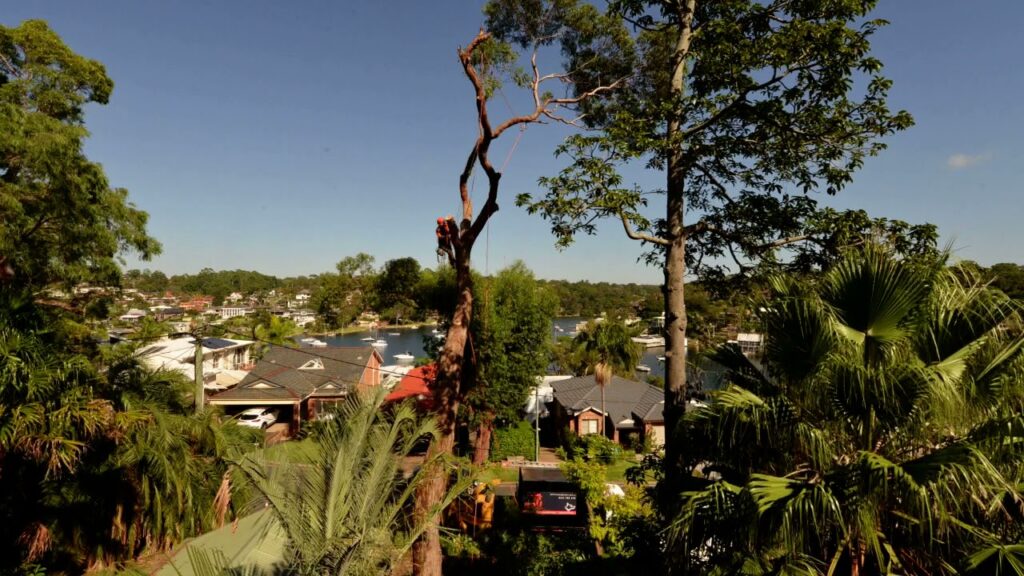
What is a practical, council-friendly checklist before booking removal?
They should confirm land ownership of the tree, identify their council area, check size and species thresholds, and determine if heritage overlays apply. They should also gather photos and, if risk is claimed, arrange an arborist assessment.
For tree removal services Sydney wide, a simple checklist prevents most problems:
- Confirm council rules for the address.
- Confirm whether a permit is required.
- Lodge the application with supporting evidence.
- Wait for written approval or exemption confirmation.
- Book the contractor to match the approval conditions.
What is the simplest way to avoid delays and disputes with council?
They should be proactive, provide strong evidence, and avoid starting work before written confirmation. They should also keep records, including approvals, arborist reports, contractor quotes, and dated photos.
When tree removal services Sydney wide are planned around council processes, the job is usually faster overall. The alternative is rushed work that triggers complaints, compliance action, and costly make-good planting later.
Related : What A Qualified Arborist Actually Checks During A Site Assessment