What Is Hedge Shaping and How Is It Done?
Hedge shaping is the intentional practice of trimming and sculpting hedges into specific, structured forms that turn ordinary plantings into architectural garden features. This technique involves cutting back growth at strategic points to create clean lines, geometric patterns, or organic curves that enhance the visual appeal of outdoor spaces.
The process requires more than just cutting away excess growth. Skilled hedge shaping techniques require an understanding of plant biology, growth patterns, and seasonal timing. Gardeners must assess the hedge’s current condition, identify the desired final shape, and make cuts that promote healthy regrowth while preserving the intended form. The goal is to create dense, uniform surfaces that look polished yet natural.
Essential Skills and Tools
Successful hedge shaping relies on a combination of technical knowledge and practical expertise. Gardeners need to understand how different plant species respond to pruning, recognize the optimal cutting angles for encouraging bushier growth, and develop an eye for symmetry and proportion.
The toolkit for trimming hedges typically includes:
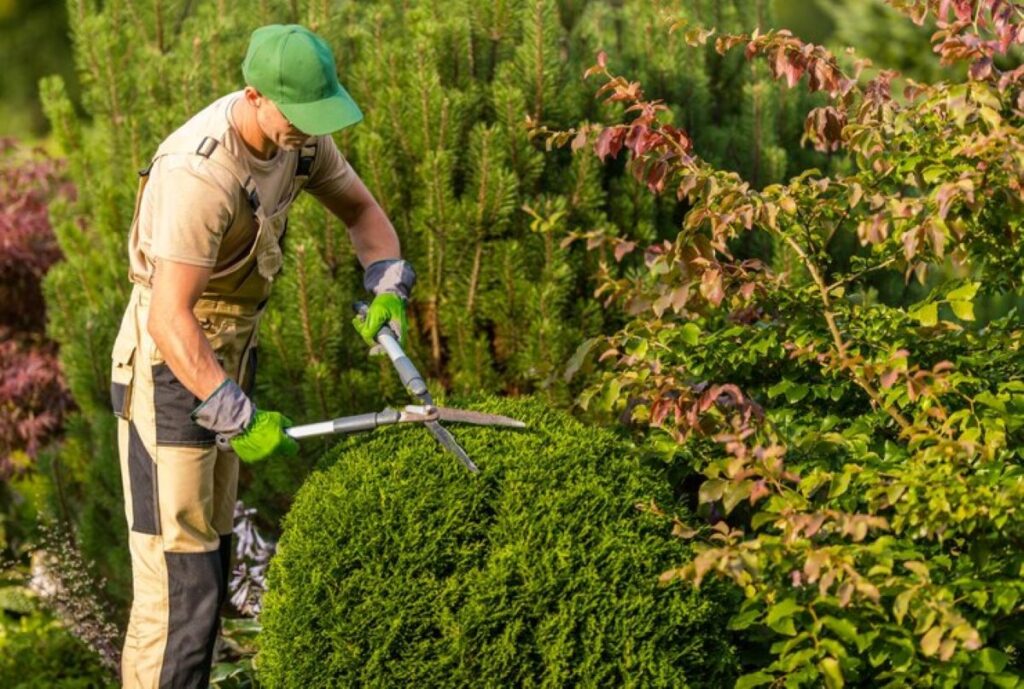
- Hand shears for precise detail work and smaller hedges
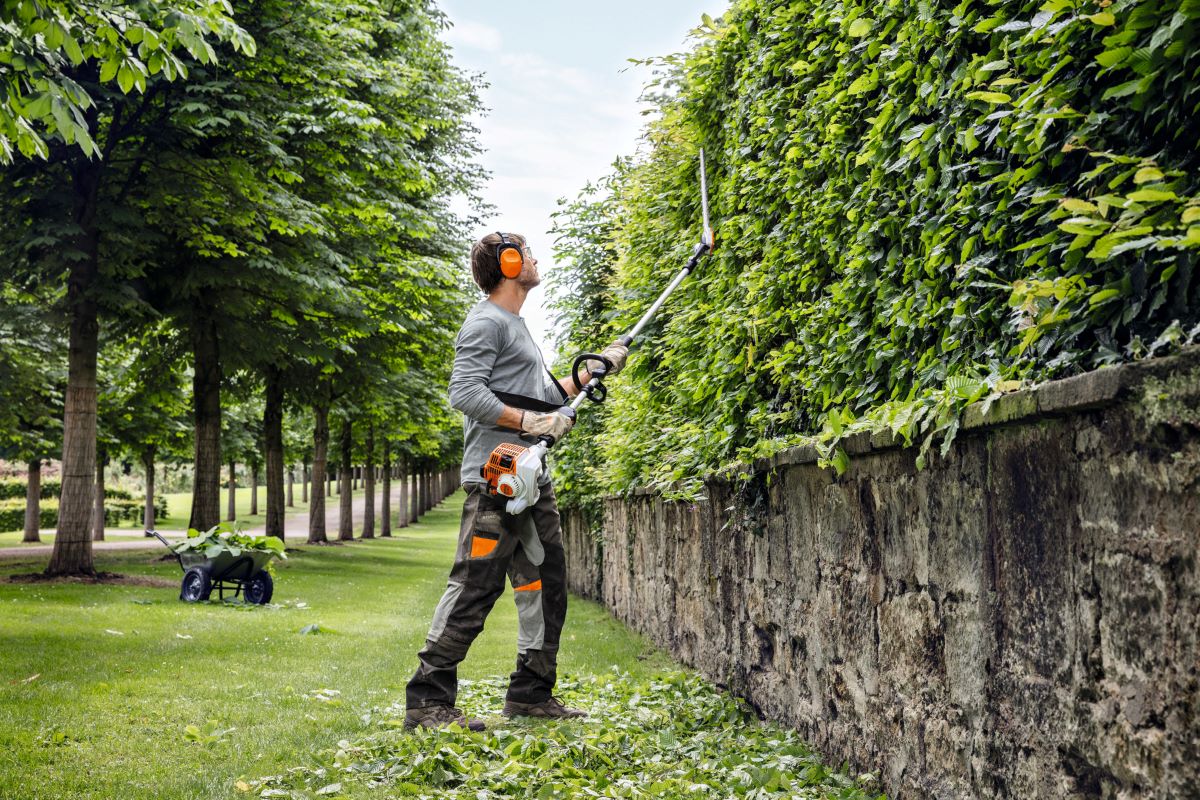
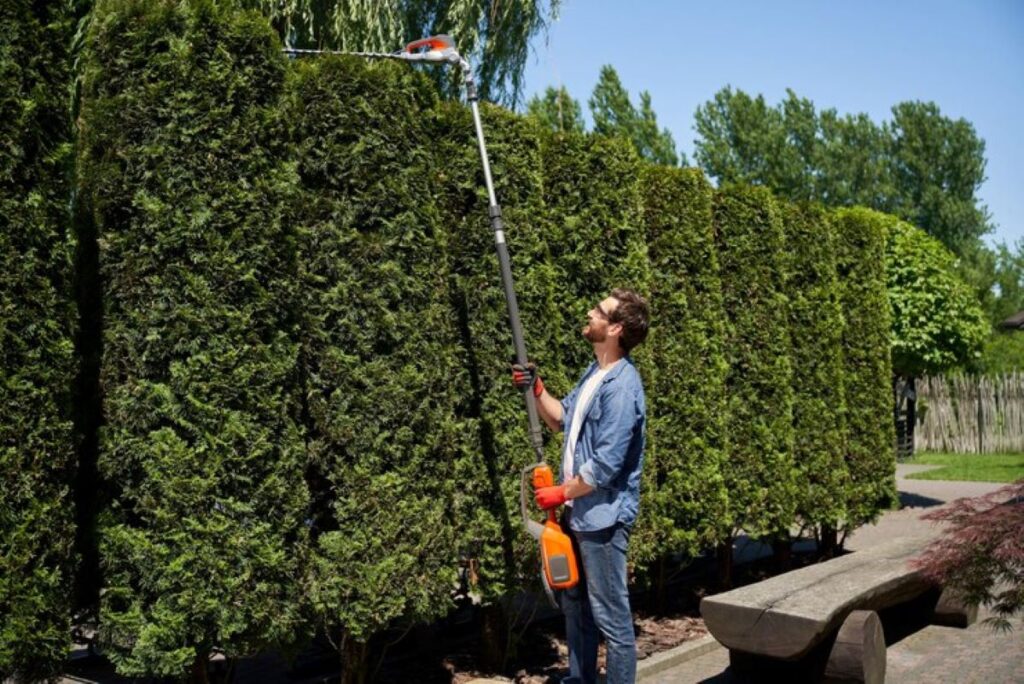
- Electric or petrol hedge trimmers for larger surfaces and faster cutting
- Loppers for thicker branches within the hedge structure
- String lines and levels to maintain straight edges and consistent heights
- Ladders or platforms for safely reaching taller hedge sections
Professional hedge shapers often use templates or guides to ensure uniformity across long stretches. They work systematically, stepping back frequently to assess their progress from multiple angles. The physical demands of sculpting hedges shouldn’t be underestimated—maintaining steady hand movements while working at height requires stamina and concentration.
Formal vs Informal Hedge Designs
The distinction between formal and informal hedge designs fundamentally shapes the approach to hedge shaping and the overall garden aesthetic.
Formal hedges feature crisp, geometric lines with tightly clipped surfaces. These designs typically use small-leaved plants like box (Buxus), yew (Taxus), or privet (Ligustrum) that respond well to frequent trimming. The plants are cut into precise shapes—rectangular walls, rounded domes, or elaborate topiary forms. Formal hedges demand regular maintenance, often requiring trims several times a year.
In contrast, informal hedges embrace a more relaxed style with softer edges and looser growth patterns. These designs often incorporate larger-leaved plants such as hawthorn (Crataegus), beech (Fagus), or mixed species that thrive with minimal intervention. Informal hedges may require less frequent pruning but still benefit from occasional shaping to prevent overgrowth or straying from desired boundaries.
Why Does Hedge Shaping Make a Huge Difference to Garden Design?
Shaped hedges transform gardens by introducing deliberate garden structure that creates visual order and architectural presence in outdoor spaces. A well-shaped hedge acts as living architecture, establishing clear boundaries and geometric forms that guide the eye through the landscape. The precision of shaped hedges brings immediate sophistication to any garden, turning what might be chaotic greenery into purposeful design elements.
Creating Depth Through Layered Hedging
The visual impact of hedges becomes most apparent when considering how they create dimensional layers within a garden. Shaped hedges positioned at varying heights establish foreground, middle ground, and background elements that add perceived depth to even modest spaces. A low box hedge in front of taller yew creates spatial hierarchy, while curved hedge lines draw the eye along specific sightlines.
Symmetrical hedge placement on either side of a central feature doubles the sense of balance and formality. This mirroring effect anchors the garden design, providing stability that allows other plantings to appear more natural by contrast. The interplay between rigid hedge geometry and softer perennial borders creates dynamic tension that elevates the entire composition.
Framing Techniques That Define Spaces
Hedges excel at framing entrances, transforming simple garden gates into grand thresholds. Two shaped hedges flanking an entryway create a natural portal that signals transition from one garden room to another. This framing effect draws visitors forward, creating anticipation about what lies beyond while establishing clear circulation patterns.
Pathway edging with precisely shaped hedges turns functional walkways into designed experiences. The repetitive rhythm of uniform hedge sections along a path creates visual continuity that unifies disparate garden areas. These green corridors focus attention forward while blocking peripheral distractions, making gardens feel more intimate and intentional.
Enhancing Aesthetic Coherence
Garden artistry reaches new heights when shaped hedges serve as the foundational structure upon which other design elements build. A formal hedge backdrop makes colorful flower beds appear more vibrant by providing consistent dark green contrast. The clean lines of shaped hedging prevent visual clutter, allowing specimen plants or garden ornaments to command attention as intended focal points.
The architectural quality of shaped hedges bridges the gap between built structures and natural plantings. To achieve these precise shapes, techniques such as hand pruning can be invaluable, allowing for greater control over the final appearance of the hedge and its integration into the overall garden design.
What Functional Roles Do Hedges Play in Garden Spaces?
Hedges serve multiple purposes in gardens. They not only solve practical problems but also enhance outdoor living areas. These green structures do more than just look good – they create boundaries, block out noise, and define different spaces on your property.
Creating Visual and Physical Barriers
Privacy hedges turn open gardens into private retreats by blocking the view from nearby houses and public areas. Thick evergreen varieties like Leyland cypress, yew, or laurel provide year-round screening that keeps outdoor activities hidden from sight. The height and thickness of these barriers can be adjusted through careful shaping to address specific privacy concerns.
Another important role of hedges is to deter unwanted entry. Thorny hedge species such as hawthorn, pyracantha, or holly discourage intruders along property edges. These garden barriers offer security without the harsh look of fences, combining protection with natural beauty. Regular shaping creates dense growth that makes these hedges nearly impossible to get through.
Low-growing hedges act as subtle dividers that separate different areas within gardens. Box hedges or dwarf varieties define boundaries between vegetable patches and flower beds, outline lawn edges, or contain specific planting zones. These barriers guide movement through the garden while keeping a cohesive visual flow across various spaces.
Noise Reduction Benefits
Noise reduction hedges are natural sound barriers that absorb and deflect unwanted noise from the environment. Thick, densely-shaped hedges placed between gardens and busy roads, railways, or commercial areas significantly reduce sound transmission. The effectiveness increases with hedge height, depth, and foliage density.
Evergreen species with leaves all year round provide consistent protection against noise. Multiple layers of plants within a single hedge structure enhance sound absorption abilities. A well-maintained hedge measuring 2-3 meters tall and at least 1 meter deep can lower noise levels by 3-5 decibels, creating noticeably quieter outdoor spaces.
The uneven surface texture of shaped hedges scatters sound waves instead of bouncing them back. This scattering effect is especially beneficial in urban gardens where noise pollution affects outdoor enjoyment. Combining hedges with other garden features like walls or fences boosts the noise reduction effect.
Wind Protection
How Does Hedge Shaping Affect Plant Health?
Regular hedge shaping directly stimulates healthier, denser growth by triggering the plant’s natural response to pruning. When you trim a hedge, you remove apical dominance, which encourages lateral shoots to develop. This creates the thick, bushy appearance characteristic of well-maintained hedges rather than sparse, leggy growth.
The plant health benefits extend beyond appearance. Strategic trimming improves light penetration throughout the entire hedge structure, allowing inner branches to photosynthesize effectively. Without proper shaping, outer foliage creates a dense canopy that blocks sunlight from reaching interior growth, leading to dead zones and bare patches. Shaped hedges maintain active growth across their full depth, producing the vibrant green color and robust structure that defines quality hedging.
The Science Behind Growth Stimulation
Cutting back stems activates dormant buds along the branches, prompting new shoots to emerge from multiple points. This branching pattern builds the dense framework that gives shaped hedges their solid appearance. Each cut signals the plant to redirect energy into producing fresh growth, essentially multiplying the number of growing points across the hedge surface.
Trimming timing plays a critical role in maximizing these health advantages:
- Evergreen hedges: tolerate light trimming throughout the growing season, allowing for gradual refinement without shocking the plant
- Deciduous hedges: respond best to late winter pruning before spring growth begins, when the plant’s energy reserves are concentrated in the root system
- Flowering hedges: require post-bloom trimming to avoid removing next season’s flower buds while still benefiting from growth stimulation
Preventing Thinning and Structural Decline
Neglected hedges develop gaps and thin sections where branches have died back from lack of light or overcrowding. Regular shaping prevents this deterioration by maintaining balanced growth distribution. When you consistently remove the outermost growth, you force the hedge to fill in from within rather than stretching outward indefinitely.
The practice also manages stress on individual plants within the hedge line. Unchecked growth creates competition for resources, with stronger plants overshadowing weaker ones. Systematic trimming equalizes this competition, giving each plant a fair chance at thriving.
Additionally, it’s important to note that these principles of pruning aren’t limited to hedges alone. They can also be applied effectively when pruning fruit trees, which share similar growth patterns and responses to shaping.
What Are the Different Styles of Hedge Shaping?
Hedge shaping can be divided into two main approaches: formal hedge design with its precise, geometric lines and informal hedge design that embraces natural, flowing forms. The style you choose will influence the overall character of your garden, whether it be stately elegance or cottage-garden charm.
Formal Hedge Design: Precision and Structure
Formal hedges require sharp, straight edges that are maintained through regular and careful trimming. These living walls act as architectural elements in the landscape, creating boundaries with clear definitions. Box hedge varieties like Buxus sempervirens (common box) and Buxus microphylla (Japanese box) are the top choices for formal designs due to their small, dense leaves that respond beautifully to frequent clipping.
The characteristics that define formal hedging include:
- Geometric precision with flat tops and vertical sides
- Dense, uniform growth that hides individual plant forms
- Small-leaved plant species that create smooth, refined surfaces
- Regular maintenance schedules to preserve clean lines
- Symmetrical placement that emphasizes order and balance
In addition to box varieties, other plants suitable for formal shaping include yew (Taxus), privet (Ligustrum), and hornbeam (Carpinus betulus). These species can tolerate heavy pruning and regenerate quickly, maintaining their tailored appearance throughout the seasons. Formal hedges are commonly used in classical garden designs, French parterre gardens, and contemporary minimalist landscapes where structure is prioritized.
Informal Hedge Design: Natural Beauty and Movement
Informal hedges celebrate the plant’s natural growth habit while still maintaining boundaries and definition. These hedges require less frequent trimming and showcase the inherent beauty of flowering shrubs, berry-producing plants, and species with interesting foliage textures. This approach is ideal for gardeners who want a relaxed, natural look without compromising functionality.
Informal hedge design works well with plants such as:
- Flowering shrubs like roses, hydrangeas, and forsythia
- Berry-producing species such as hawthorn, cotoneaster, and pyracantha
- Mixed plantings that create textural variety and seasonal interest
How Can Skilled Hedge Shaping Transform a Garden’s Aesthetic?
Expert hedge shaping elevates ordinary greenery into living sculptures that command attention and define a garden’s character. Through precise cuts and intentional forms, hedges become architectural elements that rival traditional hardscaping in their visual impact.
Understanding Spatial Relationships
The transformation begins with understanding spatial relationships. A well-shaped hedge creates vertical interest in flat landscapes, drawing the eye upward and adding dimensional complexity. Topiary techniques can produce geometric shapes—spheres, cones, spirals—that serve as standalone art pieces within garden beds. Cloud pruning, borrowed from Japanese gardening traditions, creates organic, flowing forms that appear to float above the ground, bringing an ethereal quality to contemporary landscapes.
Extending Artistry Beyond Individual Plants
Garden artistry through hedge shaping extends beyond individual plants to entire hedge rows. Undulating wave patterns along property lines create rhythm and movement, replacing static straight lines with dynamic visual flow. Castellated hedges, with their repeating peaks and valleys, evoke historical garden estates while providing a sophisticated backdrop for perennial borders. These techniques transform functional boundary markers into statement features that guests remember long after visiting.
Establishing Focal Points and Organizing Visual Hierarchy
Strategic shaping establishes clear focal points that organize visual hierarchy within outdoor spaces. A perfectly sculpted hedge archway naturally draws visitors toward specific garden areas, creating intentional pathways through the landscape. Rounded hedge forms soften harsh architectural lines of buildings and walls, while crisp rectangular hedges complement modern design aesthetics. The interplay between shaped hedges and surrounding plantings creates contrast—structured formality against loose, naturalistic growth patterns.
Addressing Proportion and Scale
Landscape enhancement through skilled shaping addresses proportion and scale. Tall, narrow columnar hedges frame doorways without overwhelming smaller homes, while broad, low-clipped hedges ground expansive properties. Layering different hedge heights creates depth perception, making modest gardens appear more spacious. A backdrop hedge trimmed to uniform height provides a green canvas that makes colorful flowering plants pop visually, much like a frame enhances a painting.
The Elegance Factor of Expertly Shaped Hedges
The elegance factor multiplies when hedges receive consistent, expert attention. Clean lines and smooth surfaces reflect light differently than untrimmed growth, creating subtle shadows that change throughout the day. This play of light and shadow adds texture and interest even in monochromatic green spaces. Precision edges along pathways and lawns create visual crispness that enhances overall garden aesthetics.
In conclusion, skilled hedge shaping has the power to transform a garden’s aesthetic by creating living sculptures that command attention and define its character. Through understanding spatial relationships, extending artistry beyond individual plants, establishing focal points and organizing visual hierarchy, addressing proportion and scale, as well as incorporating the elegance factor of expertly shaped hedges, gardens can be elevated to new heights of beauty and sophistication.
Moreover, incorporating elements like those found in Museum Park can further enrich the landscape experience by blending art with nature seamlessly.
What Additional Care Practices Support Healthy Hedge Growth?
Deep watering and balanced fertilization are essential for maintaining healthy hedges, along with regular trimming to keep plants looking vibrant and full. These practices ensure that hedges retain their structure and visual appeal, making hedge shaping an important aspect of garden design.
Why Does Deep Watering Matter for Hedge Health?
Deep watering hedges encourages root systems to grow downward rather than spreading shallow near the surface. This creates stronger, more resilient plants that can withstand drought conditions and environmental stress. Shallow watering produces weak root structures that leave hedges vulnerable to wind damage and disease.
The technique involves saturating soil to a depth of 12-18 inches, allowing moisture to reach the entire root zone. Surface-level watering might make the top layer appear moist, but roots below remain parched. A slow, steady application using a soaker hose or drip irrigation system delivers water efficiently without runoff.
Frequency depends on climate, soil type, and plant species:
- Sandy soils require more frequent watering as they drain quickly
- Clay soils retain moisture longer, needing less frequent applications
- Established hedges typically need deep watering once or twice weekly during growing season
- Newly planted hedges demand more attention until roots establish
Morning watering proves most effective, giving foliage time to dry before evening. This reduces fungal disease risk while ensuring plants have adequate moisture during peak photosynthesis hours.
How Do Fertilizing Routines Support Long-Term Hedge Vitality?
Fertilizing hedges provides essential nutrients that trimming removes with each cut. Every shaping session strips away leaves containing nitrogen, phosphorus, and other elements plants need for growth. Without replenishment, hedges gradually thin and lose their lush appearance.
A balanced fertilizer with equal or near-equal N-P-K ratios supports overall plant health rather than forcing excessive leaf growth. Slow-release formulations work particularly well for hedges, delivering nutrients gradually over months rather than causing rapid spurts that require more frequent trimming.
Application timing aligns with natural growth cycles:
- Early spring feeding jumpstarts growth as plants emerge from dormancy
- Late summer fertilization prepares plants for winter by promoting root development
More to Read : Hedge Trimming Sydney: 10 Ways to Keep Hedges Neat Without Damaging Growth