How Can You Maintain Healthy and Attractive Hedges in Your Sydney Garden?
Hedge trimming Sydney residents rely on transforms ordinary gardens into polished outdoor spaces. Well-maintained hedges provide privacy, reduce street noise, and create structured garden boundaries that enhance property appeal.
The challenge lies in achieving neat hedges without compromising their vitality. Cutting too aggressively strips away essential foliage, while neglecting maintenance leads to unruly, sparse growth. Sydney’s climate adds complexity—warm, humid conditions encourage rapid growth but also increase disease risks when improper techniques damage plants.
Successful hedge growth management requires balancing aesthetic goals with plant health. This guide presents 10 proven methods that protect your hedges while keeping them attractive:
- Regular trimming schedules
- Proper tool selection and maintenance
- Species-specific cutting techniques
- Strategic timing based on seasonal patterns
- Professional approaches to thinning and reduction
- Gradual restoration methods for overgrown specimens
Each technique addresses specific aspects of hedge care, ensuring your Sydney garden maintains its green boundaries year-round without sacrificing plant vigor.
1. Why Is Regular Hedge Trimming Essential for Healthy Growth?
Regular trimming every 4-8 weeks creates the foundation for robust hedge development and prevents common growth problems. This consistent schedule allows plants to recover quickly between sessions while maintaining their desired shape and density.
Trimming at this frequency delivers several key advantages:
- Stimulates new lateral shoots that fill gaps and create fuller coverage
- Maintains manageable size before branches become thick and woody
- Reduces stress on the plant by removing only small amounts of growth at each session
- Keeps foliage maintenance predictable and less labor-intensive
Dense foliage develops when you trim before new growth hardens off completely. Each cut encourages the plant to produce multiple new shoots from below the cutting point, gradually building a thick, uniform appearance. Size control becomes effortless when you address growth incrementally rather than waiting for dramatic intervention.
Neglecting this schedule leads to leggy branches, bare patches near the base, and eventual loss of the hedge’s structural integrity. Plants that grow unchecked for months require severe pruning that removes photosynthetic tissue the hedge needs for recovery, potentially causing dieback or permanent damage to the framework.
2. How Do Sharp and Clean Tools Prevent Hedge Damage?
Sharp tools make clean cuts that heal quickly, while dull blades crush and tear plant tissue, creating entry points for pathogens and pests. Ragged wounds take longer to recover and leave hedges vulnerable to infection.
Clean pruning equipment stops disease transmission between plants. Sterilizing blades with methylated spirits or a 10% bleach solution between hedges prevents spreading fungal infections, bacterial blight, and viral diseases common in Sydney’s humid climate.
Sydney hedge trimming professionals rely on three main tool types:
- Hand pruners for precise cuts on stems up to 2
3. What Are the Proper Cutting Techniques to Encourage Dense Growth?
The tapering technique creates a hedge shape that’s wider at the base and gradually narrows toward the top, allowing sunlight and air to reach all foliage levels. This prevents the common problem of bottom branches dying from shade, ensuring your hedge remains full from ground to crown.
Layering method involves cutting at varying depths throughout the hedge’s surface rather than shearing everything to one flat plane. This approach:
- Stimulates multiple growth points within the canopy
- Creates natural-looking fullness instead of a rigid, artificial appearance
- Prevents the formation of sparse patches that expose inner branches
Uneven cuts create weak points where disease enters and growth becomes patchy. Each cut should be made just above a leaf node at a slight angle, directing new growth outward. Avoid cutting into old wood on species like Lilly Pilly, as these areas struggle to regenerate. The combination of tapering and strategic layering produces dense hedge growth that looks healthy while maintaining structural integrity throughout Sydney’s varying seasonal conditions.
4. When Is the Best Time to Trim Different Hedge Species in Sydney?
Timing for pruning determines how quickly your hedges recover and how vigorously they grow back. Most Sydney hedge species respond best to spring and summer trimming between September and February, when active growth allows plants to heal quickly and fill out dense foliage.
Popular species that thrive with light shaping during their growing season include:
- Lilly Pilly
- Murraya
These plants produce fresh growth within weeks after trimming.
Other species that benefit from warm-weather maintenance are:
- Leyland Cypress
- Photinia
Such maintenance encourages the compact form these hedges are known for.
Winter structural pruning serves a different purpose. Between June and August, deciduous hedges enter dormancy, making this the ideal window for major reshaping or height reduction. The plant’s energy reserves remain in the root system, minimizing stress from significant cuts.
Shaping vs Structural Pruning
- Shaping involves light trimming to maintain form and occurs multiple times during the growing season.
- Structural pruning addresses framework, removing large branches or correcting shape issues, and happens once annually during dormancy.
Correct timing supports recovery by aligning cuts with the plant’s natural growth cycles, reducing shock and promoting vigorous regrowth where you want it most.
5. How Can Crown Thinning and Reduction Improve Hedge Health?
Crown thinning benefits hedges by selectively removing interior branches to reduce density, allowing better airflow and light penetration throughout the entire plant structure. This technique prevents fungal diseases that thrive in damp, crowded conditions while strengthening remaining branches through improved access to sunlight.
Crown reduction techniques address height management by shortening branches back to lateral growth points rather than creating flat-topped cuts. This method proves particularly valuable for hedges growing near buildings, power lines, or property boundaries where excessive height creates safety concerns or compliance issues. The cuts remain hidden within the natural form, maintaining the hedge’s aesthetic appeal.
Skilled arborists balance these interventions carefully:
- Remove no more than 15-20% of foliage during thinning sessions
- Target crossing or rubbing branches first
- Maintain the hedge’s natural shape while reducing size
- Space cuts evenly throughout the canopy
Both techniques work together to create hedges that look attractive while remaining structurally sound and disease-resistant. Dense outer growth continues providing privacy screening, while the improved interior conditions support long-term plant vitality and reduce maintenance demands over time.
6. What Are the Steps to Gradually Restore Overgrown Hedges Without Damage?
Restoring overgrown hedges requires a careful approach to avoid causing harm to the plants. Here are the steps involved in gradually restoring overgrown hedges without damage:
1. Inspect the Hedge
Start by thoroughly inspecting the hedge to identify any dead or diseased branches. Look for branches that appear brown, brittle, or show signs of fungal growth. These are the branches that need to be removed first.
2. Remove Dead or Diseased Branches
Using clean and sharp tools, carefully remove the identified dead or diseased branches. This step is crucial in preventing the spread of disease and allowing the plant to redirect its energy towards healthy growth.
3. Shape the Hedge Gradually
To protect the hedge from shock, it’s important to shape it gradually. Limit your trimming sessions to no more than one-third of the total foliage per session. This will help the plant adjust slowly and minimize any stress caused by pruning.
4. Space Trimming Sessions
Plan your trimming sessions to be spaced 6-8 weeks apart. This will give the hedge enough time to recover between each session and maintain its ability to photosynthesize.
5. Work from Top to Bottom and Outside In
When shaping the hedge, start from the top and work your way downwards. Additionally, trim from the outside towards the inside of the hedge. This method ensures an even shape and prevents any uneven growth patterns.
6. Remove Dead Branches Throughout the Process
As you go through the restoration process, keep an eye out for any hidden damage within dense growth. Remove these dead branches as you uncover them to promote healthier growth.
7. Assess Year-Round but Focus on Spring
In Sydney’s climate, you can assess the hedge’s condition year-round. However, spring offers optimal recovery conditions for most plants. Plan your restoration activities during this season for better results.
8. Understand the Restoration Timeline
The timeline for restoring overgrown hedges varies depending on their condition and species. On average, it takes about 12-18 months for complete restoration. Native varieties like Lilly Pilly tend to respond faster compared to slower-growing types such as Leyland Cypress.
By following these steps and being patient with the process, you can successfully restore overgrown hedges without causing any damage.”
7. Which Common Mistakes Should Be Avoided During Hedge Trimming?
When it comes to hedge trimming, there are several common mistakes that should be avoided in order to maintain the health and appearance of your hedges. Here are some key errors to watch out for:
1. Over-trimming risks
Over-trimming is one of the most damaging mistakes you can make when maintaining your hedges. It involves removing more than 30% of foliage in a single session, which can cause severe stress to the plants. This stress response can lead to dieback and make your hedges more susceptible to pests and diseases.
In Sydney’s warm climate, this stress response is intensified, especially during the summer months when hedges struggle to recover from excessive cutting. To avoid over-trimming, it’s important to be mindful of how much foliage you are removing during each trimming session.
2. Uneven cuts mistakes
Another common mistake is making uneven cuts while trimming your hedges. This can create permanent aesthetic problems and growth irregularities. When you cut at inconsistent angles or depths, it leaves sparse patches that take months to fill in, while surrounding areas become overly dense.
These imbalanced sections disrupt the natural structure of the hedge and make future trimming more challenging. To achieve a uniform appearance, make sure to use proper techniques and tools when cutting your hedges.
3. Neglecting diseased branches
Ignoring diseased branches is another error that can have serious consequences for your hedges. If you notice signs like discolored leaves, unusual wilting, or fungal growth on any part of the plant, it’s crucial to take immediate action. Visit https://www.agriculture.gov.au/biosecurity-trade/pests-diseases-weeds/plant to get more about plants pest and diseases.
Failing to address these issues allows infections to spread throughout the entire hedge. Instead of simply trimming around infected areas without removing them completely, focus on eliminating the problem at its source by cutting out affected branches.
Additionally, be cautious about using contaminated tools when working on healthy sections of the plant as this can transfer pathogens and worsen existing structural issues such as split branches or weak joints over time.
8. How Do Professional Hedge Trimming Services Enhance Maintenance Outcomes?
Professional hedge services Sydney bring certified arborists who assess each hedge’s unique requirements based on species characteristics and environmental factors. These experts recognize that Lilly Pilly responds differently to pruning than Leyland Cypress, adjusting their approach to match growth patterns and seasonal needs specific to Sydney’s climate.
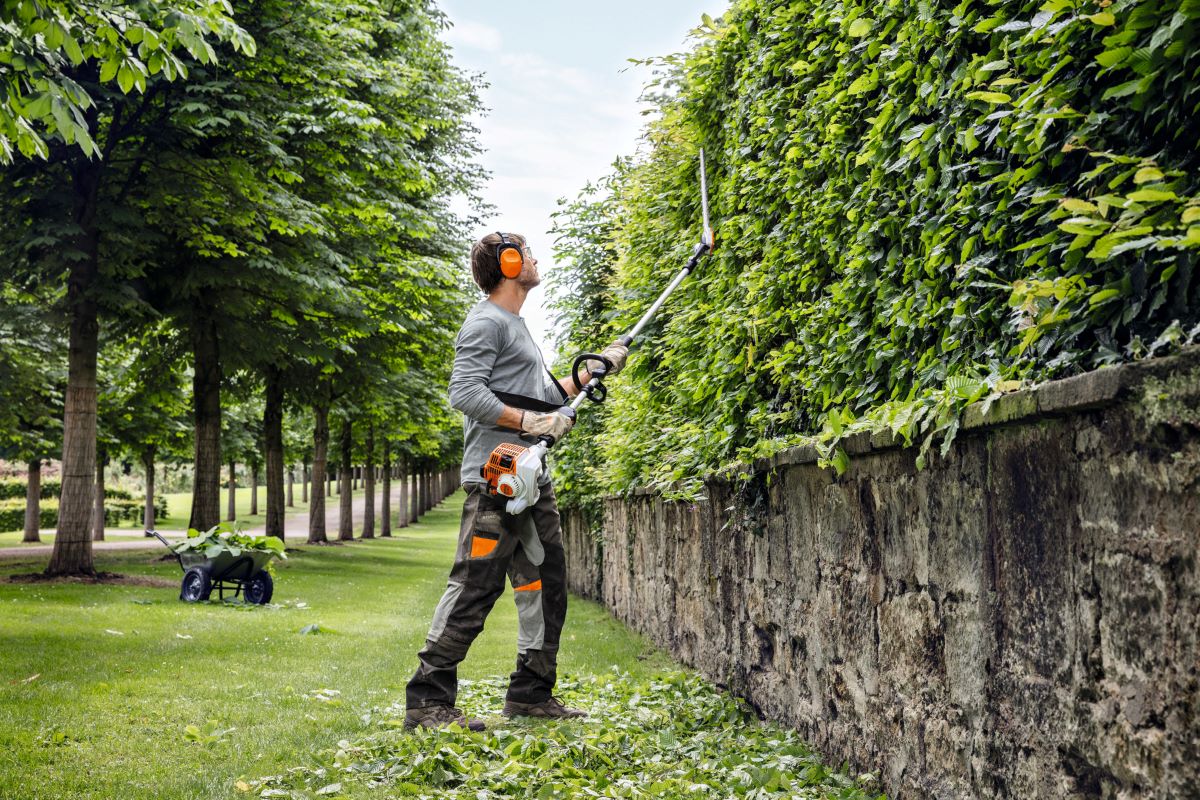
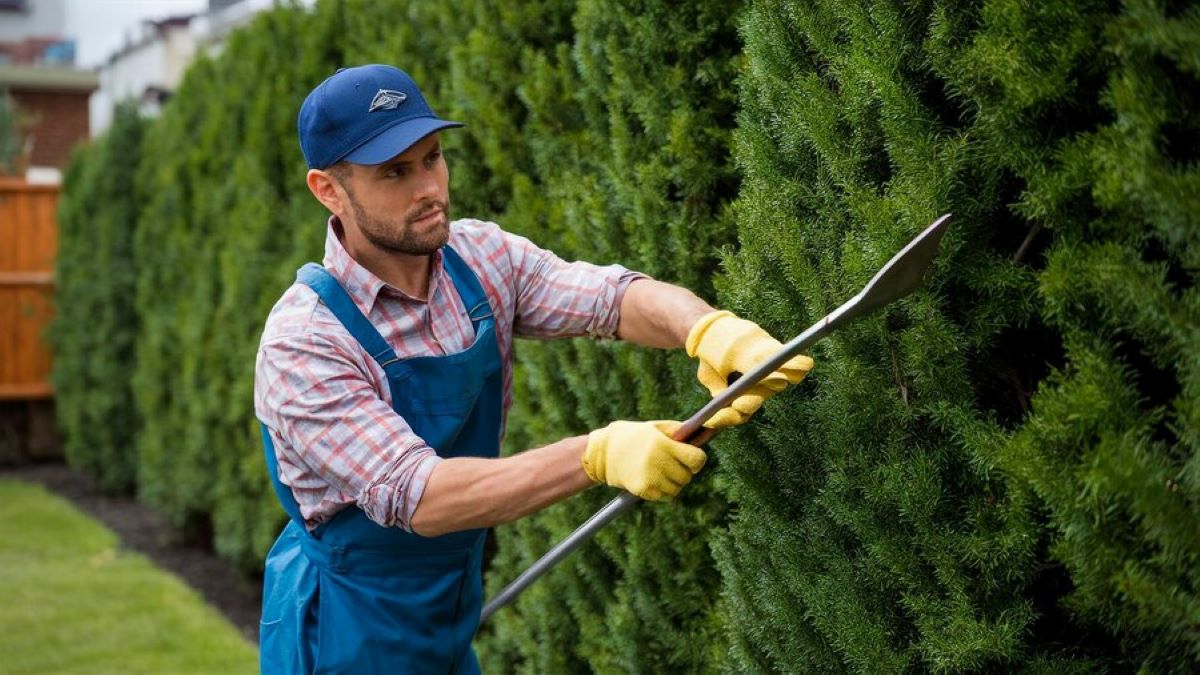
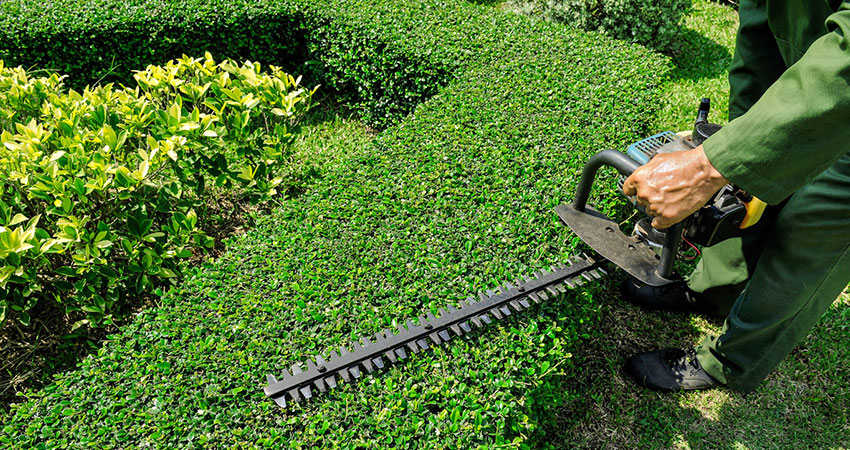
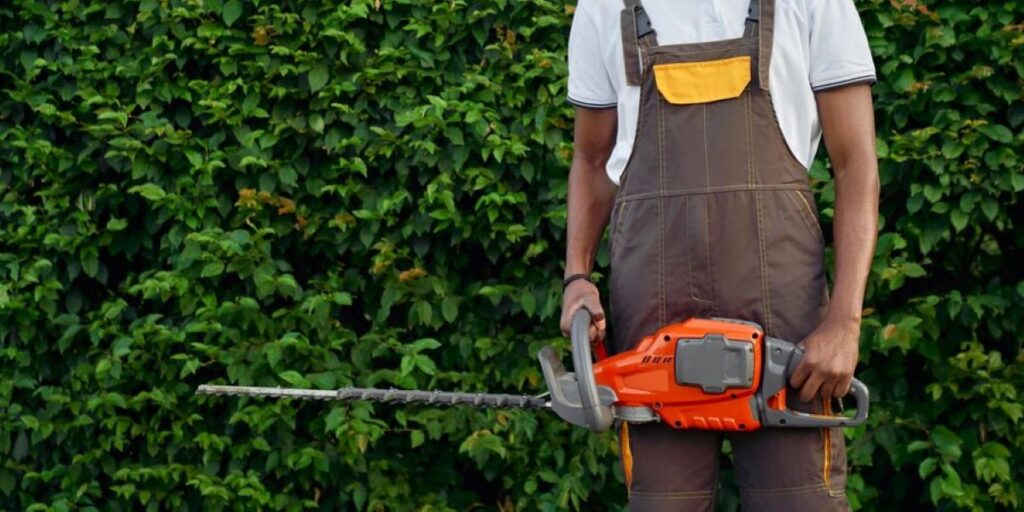
Specialized equipment use separates professional results from DIY attempts. Arborists deploy hand pruners for intricate shaping around delicate new growth, commercial-grade hedge shears for substantial branches, and electric or gas-powered trimmers that handle large-scale projects efficiently. This species-specific care extends to blade selection and cutting angles that minimize tissue damage.
Scheduled maintenance plans, akin to the types of plans offered in healthcare, eliminate guesswork from hedge care. Regular visits throughout the year ensure trimming occurs at optimal intervals before hedges become overgrown. Professionals track each property’s trimming history, noting seasonal growth rates and adjusting schedules accordingly. They also handle green waste removal and identify emerging issues like pest infestations or nutrient deficiencies before they compromise hedge health.
9. What Are the Additional Benefits of Regular Hedge Maintenance Beyond Appearance?
Regular hedge maintenance offers several functional benefits that go beyond just looking good. Here are some of the advantages:
1. Privacy Enhancement
Well-maintained hedges act as effective privacy screens in Sydney’s crowded suburbs. They create natural barriers that block the view from neighboring properties without the harsh look of fences.
2. Noise Reduction
Dense and healthy foliage can significantly reduce noise levels in urban areas. Hedges with thick growth patterns can absorb and deflect sounds from traffic, construction, and street activities, making gardens more peaceful.
3. Pest Control
Hedges play a crucial role in maintaining a balanced garden ecosystem. Regular trimming encourages beneficial insects like ladybugs and lacewings to inhabit hedge interiors, where they prey on destructive pests such as aphids. Healthy hedges also provide nesting sites for insect-eating birds, creating a natural pest management system.
4. Improved Air Circulation
Proper maintenance of hedges leads to better air circulation, which helps prevent fungal diseases and creates microclimates that support diverse plant life. This approach means your hedge becomes a living element of your property, supporting wildlife while protecting it from environmental stressors common in Sydney’s climate.
10. How Do Local Regulations Impact Hedge Trimming Practices in Sydney?
Council regulations hedge height Sydney typically limit hedges to 2-3 metres near boundaries, though specific rules vary between local government areas. Most councils require hedges to maintain setbacks from property lines—usually 450mm to 900mm—to prevent neighbour disputes and ensure adequate access for maintenance.
Trimming protected species guidelines becomes critical when working with native plants like Lilly Pilly or species covered under local environmental protection orders. Property owners must obtain approval before significantly pruning or removing protected vegetation, even on private land. Penalties for non-compliance can reach thousands of dollars.
Before undertaking major hedge work, check your council’s Development Control Plan (DCP) and contact their planning department. Many Sydney councils maintain online registers of protected trees and vegetation, helping homeowners identify which species require special consideration. Professional hedge trimming services familiar with local regulations can navigate these requirements, ensuring your Hedge Trimming Sydney: 10 Ways to Keep Hedges Neat Without Damaging Growth approach remains compliant while maintaining healthy, attractive hedges.
Related : What Is Hedge Shaping and Why Does It Make Such a Huge Difference to Garden Design?