Uncategorized

mice removal sydney

Mice Removal Sydney Tips from Local Pest Specialists

What Challenges Do Homeowners Face with Mice Infestations in Sydney?

Mice infestations create serious health and property risks that Sydney homeowners cannot afford to ignore. These unwanted visitors contaminate food supplies, damage structural elements through constant gnawing, and spread dangerous diseases including salmonella, leptospirosis, and hantavirus.

The rapid breeding cycle of rodents means a small problem can escalate into a full-blown infestation within weeks. mice removal sydney services address issues like droppings throughout living spaces, unpleasant odours, and gnawing habits that can damage electrical wiring—creating potential fire hazards.

Seeking guidance from local pest specialists ensures effective mice removal Sydney residents can trust. Professional expertise becomes essential because:

  • DIY methods often address symptoms without eliminating root causes
  • Improper handling of rodents or contaminated areas poses health risks
  • Professionals understand Sydney-specific rodent behaviour patterns
  • Licensed specialists use safe, compliant treatment methods

Local pest specialists bring targeted knowledge of rodent control Sydney properties need, combining inspection skills with proven treatment protocols that protect families while eliminating infestations completely.

Why Is Sydney’s Climate and Environment Conducive to Rodent Breeding?

Sydney’s temperate climate creates year-round breeding opportunities for rodents, with mild winters allowing populations to thrive without seasonal die-offs. The city’s average temperatures between 18-26°C provide optimal conditions for rapid reproduction, while consistent humidity levels support rodent survival and nest-building activities.

Urban Environments: A Perfect Habitat for Rodents

Urban environments amplify these natural advantages. Dense housing, abundant food waste, and interconnected infrastructure offer shelter and sustenance that rodents exploit efficiently. Coastal proximity adds moisture to roof cavities and wall spaces, creating comfortable nesting sites that remain habitable throughout all seasons.

Three primary species dominate Sydney’s rodent population:

  1. Roof rats (Rattus rattus) prefer elevated spaces like roof voids and upper-level wall cavities, thriving in Sydney’s multi-story buildings and tree-lined suburbs
  2. Norway rats (Rattus norvegicus) establish burrows in ground-level areas, particularly around gardens, foundations, and drainage systems where soil remains moist
  3. House mice (Mus musculus) adapt to any available space, breeding rapidly in pantries, storage areas, and wall cavities with minimal resource requirements

Each species exploits different environmental niches within Sydney homes:

  • Roof rats capitalize on overhanging vegetation and unsealed roof access points
  • Norway rats burrow beneath concrete slabs and garden beds
  • House mice squeeze through gaps as small as 6mm, infiltrating even well-maintained properties through utility penetrations and weathered building materials

How Do Local Pest Specialists Identify Mouse Infestations?

Rodent inspectionSydney professionals rely on systematic assessments to detect the full scope of an infestation. A thorough inspection reveals not just the presence of mice but the extent of the problem and the most vulnerable areas of your property.

Licensed pest controllers examine both interior and exterior spaces, looking for telltale signs that untrained eyes often miss. Identifying nests and entry points begins with checking common hiding spots:

  • Wall cavities and roof voids where mice build nests from shredded materials
  • Gaps around pipes, vents, and utility lines that provide access routes
  • Damaged weatherstripping or cracks in foundations measuring just 6mm wide
  • Areas behind kitchen appliances where warmth attracts rodents

Food source detection plays a critical role in understanding what draws mice to specific locations. Specialists inspect pantries, pet food storage areas, and compost bins for signs of gnawing or contamination. They look for droppings (typically 3-8mm long), grease marks along walls where mice travel repeatedly, and urine stains visible under UV light.

Fresh droppings indicate active infestations, while the presence of multiple dropping sizes suggests breeding populations. Professionals also listen for scratching sounds in walls and ceilings, particularly during quiet evening hours when mice are most active. This comprehensive approach ensures treatment targets the root causes rather than just visible symptoms.

Baiting and trapping Sydney specialists rely on two primary methods that deliver proven results: secure bait stations and snap traps. These approaches form the backbone of professional Mice Removal Sydney Tips from Local Pest Specialists.

Secure Bait Stations

Secure bait stations use tamper-resistant locked designs that protect children and pets while targeting rodents effectively. Pest control experts position these stations strategically along walls and in areas showing signs of mouse activity. The locked mechanism prevents accidental access while allowing mice to enter and consume rodenticide baits. These stations remain in place for 5-14 days as the bait takes effect, gradually reducing the rodent population.

Snap Traps

Snap traps provide an alternative method for quick, humane kills in targeted treatment plans. Professionals place these mechanical devices in high-traffic mouse pathways, often baited with peanut butter or chocolate. The instant-kill mechanism eliminates rodents immediately, making snap traps ideal for:

  • Households concerned about rodenticide use
  • Areas where rapid results are needed
  • Situations requiring precise control over specific locations
  • Properties with confirmed small infestations

Licensed pest specialists often combine both methods based on infestation severity, property layout, and household safety requirements. The dual approach maximizes effectiveness while addressing the unique conditions of each Sydney property.

How Can Homeowners Ensure Safety During Mice Removal?

Safety measures for rodent control protect both humans and animals during treatment. Place all bait stations in areas completely inaccessible to children and pets—behind appliances, inside locked cupboards, or elevated spaces where only rodents can reach them.

Tamper-resistant locked stations prevent accidental contact with toxic baits. Never touch bait stations with bare hands or attempt to open them without proper tools. Avoid sweeping or vacuuming within two metres of active bait stations, as disturbing the area can spread contaminated droppings and urine particles into the air.
mice removal sydney

Child and pet safety during pest control requires clear communication with all household members about treatment zones. Keep pets away from areas where snap traps are deployed, as curious animals may trigger devices or consume poisoned rodents. Dispose of dead mice immediately using gloves and sealed plastic bags to prevent disease transmission.

Store all rodent control products in their original containers with labels intact, locked away from living spaces. Contact your pest specialist immediately if accidental exposure occurs.

What Preventive Measures Do Pest Specialists Recommend to Keep Mice Out of Homes in Sydney?

1. Sealing Entry Points

Mice prevention starts with identifying and blocking all potential access routes. Pest specialists recommend using steel wool, caulk, wire mesh, or concrete to seal gaps around pipes, vents, doors, and windows. Mice can squeeze through openings as small as a dime, making thorough inspection critical.

2. Home Maintenance

Rodents control requires consistent attention to cleanliness and storage practices. Specialists advise:

  • Store food in airtight containers made of glass or heavy-duty plastic
  • Clean behind appliances and inside cupboards regularly to remove crumbs and spills
  • Reduce clutter in storage areas, garages, and basements where mice hide
  • Dispose of garbage properly using bins with tight-fitting lids
  • Trim vegetation away from the home’s exterior to eliminate hiding spots

3. Ongoing Prevention

Pest professionals emphasize that prevention works best as an ongoing practice rather than a one-time effort. Regular inspections of vulnerable areas like attics, crawl spaces, and foundations help catch potential problems early. Installing door sweeps and repairing damaged screens adds extra protection against rodent entry.

4. Customized Plans

Sydney’s warm climate means rodents remain active year-round, making these preventive measures essential for every season. Specialists often provide customized prevention plans based on a property’s specific vulnerabilities and surrounding environment.

Why Is Professional Pest Control Important for Long-Term Rodent Management in Sydney Homes?

Licensed pest control Sydney services provide expertise that DIY methods simply cannot match for sustained rodent management. Fully licensed professionals understand rodent behavior patterns specific to Sydney’s environment and apply treatments that comply with Australian health standards pest services regulations, ensuring both effectiveness and safety.

Professional pest controllers offer several critical advantages:

  • Accurate identification of rodent species and infestation severity
  • Strategic treatment placement using tamper-resistant bait stations that protect families and pets
  • Comprehensive solutions addressing both current infestations and future prevention
  • Legal compliance with health and safety regulations governing pesticide use
  • Follow-up support when rodent activity persists beyond the typical 5-14 day treatment period

These specialists provide tailored prevention advice based on your property’s unique vulnerabilities, from structural weaknesses to environmental factors attracting rodents. Their training in Mice Removal Sydney Tips from Local Pest Specialists ensures they can identify subtle signs of activity that homeowners often miss, preventing small problems from escalating into major infestations requiring more intensive intervention.

Moreover, it’s essential to understand that the importance of professional pest control extends beyond immediate rodent removal. According to a report by the USDA, long-term rodent management not only enhances the safety and comfort of our homes but also plays a significant role in protecting public health by controlling disease transmission associated with rodent infestations.

mice removal sydney

How Can Ongoing Maintenance Help Prevent Future Mice Problems in Sydney Homes?

Consistent vigilance keeps mice away long after initial treatment. Regular rodent activity inspection—checking for droppings, gnaw marks, or new entry points—should occur monthly in vulnerable areas like garages, attics, and basements.

Local pest specialists recommend these maintenance practices:

  • Schedule quarterly inspections of potential entry points around pipes, vents, and foundation cracks
  • Install rodent-proof bins with tight-fitting lids in kitchens and outdoor areas
  • Remove food and water sources by storing pantry items in sealed containers and fixing leaky taps
  • Place monitoring traps in high-risk zones like behind appliances and in storage areas
  • Maintain landscaping by trimming vegetation away from walls and removing debris piles

Motion-activated cameras can track activity patterns in previously infested areas. These Mice Removal Sydney Tips from Local Pest Specialists emphasize that prevention requires less effort than remediation—a proactive approach saves both money and stress while protecting your home from recurring rodent problems.

See Also: Mouse removal sydney: why do mice come back after treatment? experts explain

Mice Removal Sydney Tips from Local Pest Specialists Read More »
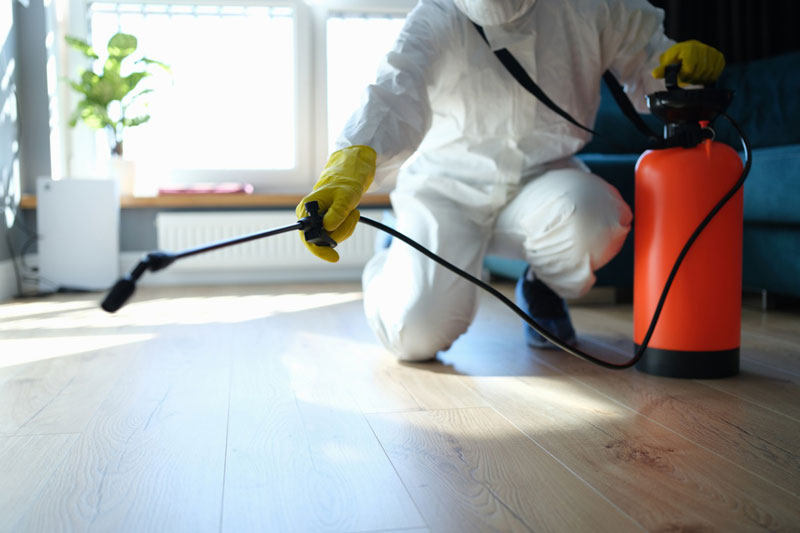
Mouse Removal Sydney

Mouse Removal Sydney: Why Do Mice Come Back After Treatment? Experts Explain

Mouse removal Sydney services often receive frustrated calls from homeowners asking the same question: why do mice keep coming back after professional treatment? Rodent control experts across Sydney report that re-infestation remains one of the most common challenges in pest management, even after thorough initial treatment.

The answer isn’t simple. Mice return for multiple interconnected reasons that go beyond the effectiveness of the treatment itself. mouse removal sydney specialists explain that successful long-term mouse prevention requires understanding the biological advantages mice possess, the environmental factors that attract them, and the specific conditions that make Sydney properties vulnerable to re-infestation.

Mice return after treatment primarily because the underlying conditions that attracted them initially remain unchanged. Entry points stay unsealed, food sources remain accessible, and nesting sites continue to provide shelter. This article explores expert insights into why mice persistently return and what property owners can do to break this frustrating cycle.

Why Are Mice So Difficult to Eradicate Completely?

Mice have extraordinary physical abilities that make it hard for Sydney homeowners to get rid of them completely. Their bodies are built in a way that allows them to squeeze through very small openings, as tiny as a 10-cent coin—about 6 millimeters wide. This amazing ability to adapt means that even the smallest crack in your foundation, a gap under a door, or a tiny hole around plumbing pipes becomes an opportunity for them to enter.

The flexibility of a mouse’s skull is what makes this possible. Unlike humans, mice have partially flexible skulls made of cartilage that can compress significantly. If a mouse can fit its head through an opening, the rest of its body will follow. This biological advantage turns what seems like a sealed home into a place with many potential entry points that homeowners may not even notice.

The Entry Point Problem

One major reason why mice come back after treatment is because rodent entry points haven’t been sealed properly. Many property owners don’t realize how many places mice can potentially get in through in a typical Sydney home. A single-story house can have 20 to 30 vulnerable areas, while multi-story properties may have even more.

Here are some common entry points that are often overlooked:

  • Gaps around utility lines where pipes, cables, and wires enter the building
  • Deteriorated weather stripping on doors and windows
  • Cracks in the foundation that develop over time due to settling
  • Ventilation openings without proper mesh screening
  • Roof eaves and soffits with small gaps or damage
  • Garage door seals that have worn down or warped

Even professional pest control treatments won’t work if these entry points are still open. Mice that are removed from inside the property will simply be replaced by new ones coming from outside populations looking for shelter and food.

Urban Resilience and Survival Skills

Mice are resilient creatures that can adapt well to urban environments, which creates ongoing challenges for pest control in Sydney throughout the year. These urban mice have evolved alongside human development and have become skilled at taking advantage of the resources cities offer. They’ve changed their behavior patterns, dietary preferences, and nesting habits in order to thrive close to people.

Unlike colder regions where winter naturally reduces mouse populations, Sydney’s mild climate allows for breeding conditions all year round. This means that even during colder months when other pests may decline, mouse populations can continue to grow and pose problems for residents.

How Do Food and Water Sources Influence Mice Returning?

Food storage rodents find irresistible acts as the primary magnet drawing mice back to treated properties. Mice possess an exceptional sense of smell that allows them to detect food sources from considerable distances, making any accessible pantry items, crumbs, or unsealed containers an open invitation for reinfestation.

The Impact of Improperly Stored Food

Improperly stored food creates the perfect conditions for mice to thrive. Cardboard boxes, paper bags, and thin plastic packaging offer no barrier to rodent teeth. Mice can gnaw through these materials within minutes to access grains, cereals, pasta, and other dry goods. Pet food presents an equally attractive target, particularly when left in open bags or bowls overnight. Dog and cat food contains high protein and fat content that mice find especially appealing, and the habit of leaving pet bowls filled after dinner essentially provides an all-night buffet for nocturnal rodents.

Common Kitchen Habits That Attract Mice

Kitchen counters with unwashed dishes, stovetops with food residue, and unsealed rubbish bins compound the problem. Even seemingly insignificant food sources matter:

  • Crumbs behind appliances or under furniture
  • Grease splatter on cooking surfaces
  • Fruit left in open bowls on countertops
  • Birdseed stored in garages or sheds
  • Compost bins without secure lids

These common kitchen habits that attract mice should be addressed to minimize the risk of reinfestation.

Water Sources That Attract Mice

Water sources attracting mice play an equally critical role in reinfestation. Mice require surprisingly little water to survive—only about 3 millilitres daily—but they actively seek out moisture sources. Standing water in pet bowls, dripping taps, leaking pipes, and condensation around air conditioning units provide sufficient hydration for mouse populations to establish themselves.

Outdoor Water Sources That Contribute to Pest Problems

Outdoor water sources prove just as problematic for pest prevention Sydney residents face. Clogged gutters that retain rainwater, poorly drained garden areas, and decorative water features all serve as reliable drinking spots. Mice can detect moisture through humidity changes in the air, guiding them toward these resources even when hidden from plain sight.

The combination of readily available food and water creates what pest control experts call a “resource-rich environment.” When both elements exist simultaneously, mice view the property as prime real estate worth defending and returning to, even after initial treatment efforts. This highlights the importance of understanding where and when rodent activity occurs for effective pest control strategies.

What Environmental Conditions Encourage Mice to Come Back?

Mice look for places that provide shelter, warmth, and safety from predators. They are particularly attracted to cluttered areas such as:

  • Garages filled with stored boxes
  • Sheds packed with gardening equipment
  • Basements containing unused furniture
  • Outdoor rubbish bins that offer both food scraps and hiding spots

These locations create ideal nesting sites for mice, with dark corners and undisturbed materials like cardboard, fabric, and paper that they can tear apart to construct their nests.

Cluttered spaces become problematic because:

  1. Stacked boxes and stored items create multiple hiding places that make detection nearly impossible.
  2. Rarely disturbed areas allow mice to establish colonies without human interference.
  3. Dense clutter provides insulation and protection for raising young.
  4. Accumulated debris offers nesting materials readily available for construction.

Outdoor Shelter for Mice

In addition to indoor clutter, Sydney properties also unintentionally provide outdoor shelter for mice. Overgrown vegetation creates natural pathways for rodents to travel unseen from nearby properties or bushland directly to your home. Here are some specific ways in which vegetation can pose a risk:

  • Shrubs planted too close to exterior walls give mice cover as they search for entry points.
  • Dense ground cover conceals their movements from predators and homeowners alike.
  • Ivy or climbing vines on exterior walls create textured surfaces that mice can easily climb.
  • Untrimmed hedges growing against foundations hide ground-level entry points.
  • Leaf litter and mulch piled against walls retain moisture and attract insects that mice feed on.
  • Firewood stacked directly against exterior walls offers both shelter and a pathway to the structure.

This link between overgrown landscaping and increased pest activity is crucial to understand when considering pest control measures.

The Layered Problem of Indoor Clutter and Outdoor Vegetation

The combination of indoor clutter and outdoor vegetation creates a complex issue. Mice establish outdoor nesting sites in garden debris or wood piles, then enter homes through accessible entry points to search for food. Even after professional mouse removal treatments eliminate indoor populations, untreated environmental conditions outside allow new mice to quickly re-enter the premises.

It is crucial to address both indoor and outdoor factors in order to effectively prevent mice infestations. For instance, understanding what attracts rats can provide valuable insights into preventing similar issues with mice. Additionally, implementing strategies for preventing mice in the workplace can also be beneficial in residential settings.

Why Is Early Detection of Mice Infestations Challenging?

Mice infestations often go unnoticed for weeks because these rodents are naturally secretive creatures that avoid human contact. Their nocturnal habits mean they’re most active when homeowners are asleep, making it difficult to spot them during regular daytime activities.

The Alarming Mouse Reproduction Rate

A single female mouse can produce 5 to 10 litters per year, with each litter containing 5 to 6 pups on average. These offspring reach sexual maturity in just 6 weeks, meaning a small undetected problem can explode into a major infestation within months. Sydney pest control experts note that what starts as two mice can theoretically become dozens within a single season.

Mouse Removal Sydney

The exponential growth pattern makes timing critical. By the time homeowners notice obvious signs, the population has likely already established multiple generations within the property’s walls, ceiling cavities, or subfloor areas.

Rodent Hiding Behaviour That Delays Discovery

Mice instinctively seek out dark, enclosed spaces where they feel protected from predators. Wall cavities, roof voids, and spaces behind kitchen appliances become their preferred hideouts. These locations are rarely inspected during routine cleaning, allowing colonies to thrive undisturbed.

Common hiding spots include:

  • Behind refrigerators and dishwashers
  • Inside ceiling insulation
  • Within wall cavities near plumbing pipes
  • Under floorboards in older homes
  • Inside stored boxes in garages or sheds

Their small size allows them to navigate through building structures using existing gaps around pipes and cables. This network of hidden pathways means mice can move throughout a property without ever being seen.

Recognizing Early Signs of Rodent Infestation

Detection becomes easier when homeowners know what to look for. Fresh droppings appear as small, dark pellets roughly the size of rice grains, typically found along walls or near food sources. Gnaw marks on food packaging, wooden structures, or electrical cables indicate active feeding behaviour.

Unusual scratching or scurrying sounds within walls or ceilings, particularly at night, signal rodent movement. A distinctive musky odour may develop in enclosed spaces where mice nest.

What Happens After Initial Treatment That Causes Mice to Reappear?

Post-treatment rodent activity often increases temporarily as surviving mice change their behaviour patterns. When poison baits or traps eliminate part of a colony, the remaining mice become more active searching for food and new nesting sites, making them more visible to homeowners who may have never noticed them before. It’s worth noting that after consuming the rat poison, the rats or mice may not die immediately, which can also contribute to this temporary increase in visibility.

Surviving mice behaviour shifts dramatically after treatment disrupts their established routines. These rodents lose their familiar pathways, feeding stations, and social hierarchy. The stress triggers heightened movement throughout the property as they attempt to re-establish territories and locate alternative food sources. This explains why many Sydney residents report seeing more mice in the days following professional treatment—the rodents haven’t multiplied overnight; they’ve simply become more desperate and visible.

The Vacuum Effect Creates New Opportunities

Treated areas don’t remain empty for long if underlying conditions persist. Once a mouse population decreases, neighbouring rodents detect the absence of territorial scent markers and move into the newly available space. This phenomenon, known as the vacuum effect, means properties can experience reinfestation causes Sydney pest controllers frequently encounter.

New mice colonize treated areas when:

  • Entry points remain unsealed after the initial treatment
  • Food sources continue to be accessible
  • Nesting materials and shelter spots stay available
  • Water sources like leaking pipes or pet bowls remain present

Why Treatment Alone Isn’t Enough

Chemical treatments and trapping eliminate existing populations but don’t address the environmental factors that attracted mice initially. A property with abundant food, water, and entry points will continue drawing rodents from surrounding areas. Sydney’s dense urban environment means mice populations exist in neighbouring properties, parks, and commercial areas—all potential sources for reinfestation.

The gap between treatment and visible results confuses many homeowners. Dead mice hidden in wall cavities or roof spaces may take days to weeks before decomposition odours appear. During this period, surviving mice and new arrivals can establish themselves if preventive measures aren’t implemented immediately.

Temperature changes also influence post-treatment rodent activity. Sydney’s cooler months drive mice indoors seeking warmth, increasing pressure on treated properties. Even successfully treated homes face renewed invasion attempts as outdoor mice seek shelter, explaining seasonal spikes in reinfestation reports across the city.

How Can Homeowners Prevent Mice From Returning After Treatment?

1. Seal Entry Points

Sealing entry points rodents use to access your property forms the foundation of effective pest prevention tips Sydney experts recommend. Homeowners must inspect every potential access point, focusing on gaps around utility pipes, air conditioning units, roof eaves, and foundation cracks. Mice can compress their bodies to fit through openings as small as a 10-cent coin, making thorough sealing critical.

The most vulnerable areas requiring attention include:

  • Wall penetrations where pipes, cables, and vents enter the building
  • Door and window frames with worn weatherstripping or gaps underneath
  • Roof-wall junctions where materials meet and create natural openings
  • Plumbing entry points in kitchens, bathrooms, and laundry areas
  • Garage door seals that have deteriorated or don’t sit flush with the ground

Steel wool combined with caulking provides an effective barrier since mice cannot chew through metal fibres. Expanding foam alone fails as rodents easily gnaw through it, so pairing it with wire mesh creates a more durable solution.

2. Maintain Home Cleanliness

Home cleanliness rodents find unappealing requires strict food storage protocols. Every food item should be transferred to airtight glass or heavy-duty plastic containers immediately after opening. Cardboard boxes and thin plastic packaging offer no protection against mice, who can detect food sources through these materials and chew through them within minutes.

Kitchen hygiene practices that deter mice include:

  • Wiping down countertops and stovetops after every meal preparation
  • Sweeping and vacuuming floors daily to remove crumbs and food particles
  • Washing dishes immediately rather than leaving them in the sink overnight
  • Storing pet food in sealed containers and removing bowls after feeding times
  • Taking rubbish bins outside regularly and using bins with tight-fitting lids

Pantry organization plays an equally important role. Cereals, grains, pasta, nuts, and baking ingredients attract mice when left in their original packaging. Transferring these items to sealed containers eliminates odours that draw rodents into homes.

3. Address Water Sources

Water sources require equal attention. Fixing leaky taps, repairing dripping pipes, and eliminating standing water are essential steps in preventing mice from returning after treatment. Mice need water to survive, so by removing their access to it, you make your home less appealing to them.

By implementing these preventive measures, homeowners can significantly reduce the chances of mice returning after treatment.

Why Are Regular Professional Inspections Important for Long-Term Mouse Control?

Professional pest inspections Sydney services provide the expertise needed to identify subtle signs of rodent activity that homeowners typically miss. Licensed pest control specialists understand mouse behaviour patterns, seasonal movement trends, and the specific vulnerabilities of Sydney properties. These experts can detect early warning signs like fresh droppings, new gnaw marks, grease trails along walls, and changes in bait station activity before a minor issue escalates into a full-blown infestation.

What Licensed Specialists Look for During Post-Treatment Inspections

Trained technicians conduct systematic assessments of both interior and exterior areas during follow-up visits. They examine:

  • Structural integrity of previously sealed entry points to ensure repairs remain intact
  • New potential access points that may have developed due to building settlement or weather damage
  • Nesting materials hidden in wall cavities, roof spaces, or storage areas
  • Environmental changes around the property that could attract rodents

These inspections typically occur at 2-4 week intervals following initial treatment, with frequency adjusted based on the severity of the original infestation and property-specific risk factors.

How Bait Monitoring Rodents Reveals Ongoing Activity

Bait monitoring rodents serves as a critical diagnostic tool for assessing treatment effectiveness. Pest control professionals track consumption patterns at strategically placed bait stations to determine whether mice remain active on the property. Consistent bait consumption indicates an ongoing population that requires additional intervention, while declining consumption suggests successful control.

Licensed specialists document:

  • Quantity of bait consumed at each station location
  • Frequency of visits to different monitoring points
  • Changes in activity patterns that might indicate new entry routes or nesting sites

This data-driven approach allows technicians to adjust treatment strategies in real-time rather than waiting for visible signs of reinfestation.

The Value of Professional Expertise in Long-Term Rodent Prevention

Achieving long-term rodent prevention requires ongoing vigilance that extends beyond the initial treatment phase. Professional inspectors bring specialized knowledge of Sydney’s unique pest challenges, including seasonal migration patterns and species-specific behaviours common to the region. They can identify environmental factors that homeowners overlook, such as inadequate drainage systems.

Furthermore, they implement effective strategies for rodent control, ensuring a comprehensive approach towards managing rodent populations. This includes not only immediate action but also planning for future prevention by addressing structural vulnerabilities and environmental attractants through municipal rodent management strategies.

Mouse Removal Sydney

Conclusion

Effective mouse removal in Sydney requires more than a one-time treatment—it demands ongoing commitment to environmental management and property maintenance. Mice return when homeowners address only the immediate infestation without tackling the underlying conditions that attracted rodents initially.

Preventing rodent return after treatment hinges on three critical actions:

  • Eliminating food sources through proper storage and cleanliness
  • Sealing structural vulnerabilities that allow entry
  • Maintaining regular professional monitoring

Properties remain vulnerable when gaps stay unsealed, food remains accessible, or clutter provides nesting opportunities. Licensed pest control specialists provide the expertise needed to identify hidden risks that homeowners often miss.

The battle against mice isn’t won with a single treatment—it’s maintained through vigilance. Regular inspections catch new activity before populations explode. Proactive property maintenance removes the welcome mat mice need to establish themselves.

Mouse Removal Sydney: Why Do Mice Come Back After Treatment? Experts Explain that success lies in transforming your property into an environment where mice cannot thrive, not just removing those already present.

See Also: Mice removal sydney tips from local pest specialists

Mouse Removal Sydney: Why Do Mice Come Back After Treatment? Experts Explain Read More »

Scroll to Top